MTB Helmet Ventilation: Comfort Buying Guide 2026
Breadcrumb
Why does ventilation matter so much in a full-face MTB helmet?
Ventilation and comfort in mountain bike full-face helmets can make the difference between a helmet you trust all day and one you cannot wait to remove at the trailhead. A full-face design gives you extra coverage and confidence on steep descents, bike park laps, and technical off-road terrain, but that protection only works well when heat and moisture stay under control.
Good airflow does more than keep you cool. It helps reduce sweat buildup, lowers the chance of hot spots, and makes padding feel more stable against your face and scalp. On long climbs, poor ventilation can leave you distracted and fatigued. During repeated downhill runs, trapped heat can make even a well-built helmet feel heavy and uncomfortable.
For beginner riders, comfort often shapes confidence just as much as safety rating. If your helmet feels stuffy, you may be tempted to loosen it too much or remove it between laps. Off-road riders dealing with dust, changing weather, and slower technical sections usually notice airflow issues even faster. If you are still comparing options, full-Face MTB Helmet Buying Guide gives broader context on protection, use case, and overall helmet selection.
The goal is balance: enough coverage for aggressive riding, enough airflow for real-world use, and enough comfort to stay focused. That balance starts with understanding how helmet ventilation actually works.
How do airflow channels and vent placement affect comfort?
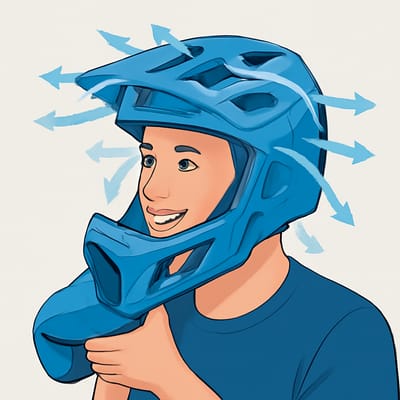
Helmet ventilation is not just about the number of holes in the shell. What matters more is how those vents are shaped, where they sit, and whether internal channels actually move air across your head. Strong designs pull cool air through front intake vents, guide it over the scalp, then push warm air out through rear exhaust ports.
Several details influence how comfortable that system feels on the trail:
- Brow and chin-bar vents help reduce heat around the face
- Crown intake vents feed air into the main internal channels
- Rear exhaust ports create flow-through cooling instead of trapped heat
- Channel depth affects how effectively air can move over padding
- Padding density changes how much open space remains for circulation
The chin bar deserves special attention in a full-face MTB helmet. A well-vented chin area improves breathing comfort on climbs and reduces that boxed-in feeling many riders dislike. This matters for sport bike riders crossing into MTB full-face options too, since they often expect more enclosure but may be surprised by how different off-road airflow needs can be.
Ventilation also works together with shell shape and visor position. Some helmets move air exceptionally well at descending speeds, while others remain more comfortable during slower technical riding. That is one reason top Features for MTB Full-Face Helmets is useful when you are comparing models beyond simple spec lists.
In short, effective helmet airflow comes from design integration, not vent count alone.
What comfort features make a ventilated helmet easier to wear all day?
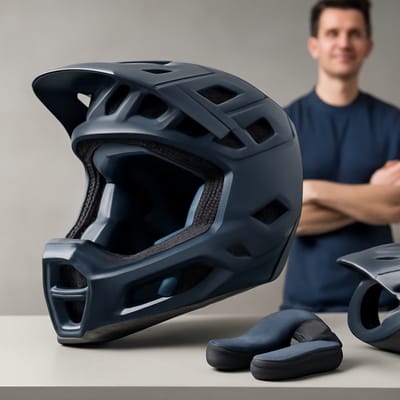
Airflow solves only part of the comfort equation. A helmet can have excellent vent layout and still feel wrong if the fit system, liner materials, or interior shape create pressure points. Real all-day comfort comes from the way cooling, contact points, and helmet stability work together.
Look closely at these features when comparing full-face helmets:
- Moisture-wicking liners that dry quickly after climbs and repeated laps
- Removable cheek pads that let you fine-tune pressure around the face
- Antimicrobial padding that helps manage sweat and odor over time
- Weight distribution that reduces neck fatigue, especially on rough descents
- Goggle compatibility so airflow is not blocked across the brow line
- Emergency-release cheek pads that can improve both safety and day-to-day practicality
Non-brand shoppers often benefit from focusing on these details instead of marketing language. A premium price does not automatically mean better cooling or a more comfortable interior shape. You need the right match for your head shape, riding style, and local conditions.
Fit is especially important because poor sizing can block airflow and create rubbing where sweat collects most. A helmet that sits too low may cover intake vents; one that is too loose may shift enough to create constant irritation. For a closer look at sizing pressure points and interior feel, how to Fit MTB Full-Face Helmets: Sizing and Comfort explains what to check before you buy.
The best full-face helmet feels secure, breathable, and forgettable once the ride begins.
How should you choose ventilation for climbs, descents, and mixed riding?
The best choice depends on where and how you ride. Riders who spend long periods climbing under their own power usually need stronger low-speed ventilation than riders who mostly shuttle or ride lift-access parks. A helmet that feels acceptable on short downhill runs can feel overly warm during a 45-minute fire-road climb.
A practical way to compare options is to match ventilation to your riding pattern:
| Riding style | What to prioritize | Why it matters |
|---|---|---|
| Trail and enduro | Balanced intake and exhaust airflow | Comfort on climbs and protection on descents |
| Bike park and downhill | More coverage with targeted venting | High-speed cooling matters more than low-speed airflow |
| Technical off-road rides | Chin-bar airflow and sweat control | Slower speeds expose weak ventilation quickly |
| Mixed use | Weight, liner quality, and adaptable comfort | You need fewer compromises across conditions |
Beginner riders often underestimate how much local climate changes helmet comfort. A helmet that works well in cool forests may feel far too hot on exposed summer trails. Off-road riders also need to think about dust, mud, and cleaning frequency because blocked vents and dirty liners reduce airflow over time.
Safety still comes first, but ventilation should never be an afterthought in a buying guide. Certification matters as well, and dOT vs ECE Certification for Mountain Bike Helmets helps explain how protection standards fit into the decision. Once you narrow your shortlist, compare airflow, interior materials, and expected use together instead of evaluating each in isolation.
What are the most common ventilation mistakes buyers make?
Many riders buy a full-face helmet based on appearance, claimed weight, or a single review line about comfort. That can lead to disappointment once real riding conditions expose heat buildup, sweat retention, or a poor fit. The most common mistake is assuming that a helmet with more visible vents will automatically feel cooler.
A few buying errors show up again and again:
- Choosing a size that feels roomy in the shop but shifts enough to interrupt airflow
- Ignoring cheek-pad pressure, which affects heat around the face
- Overlooking goggle fit, causing blocked brow vents or trapped moisture
- Buying for downhill use only, then using the helmet on long pedaling days
- Forgetting maintenance, which reduces cooling performance over time
Comfort also changes after the first few rides. Padding compresses slightly, sweat patterns become obvious, and dust starts to collect in vents and liner fabric. That is why maintenance matters more than many people expect. A dirty helmet not only smells worse, it can also feel hotter and less stable. If you want your helmet to stay comfortable through a full season, maintenance and Longevity of MTB Full-Face Helmets breaks down the simple habits that preserve liner performance and airflow.
Before you buy, compare at least a few models side by side. Check vent layout, interior padding, chin-bar openness, and how the helmet feels with your usual goggles. That extra time usually leads to a better purchase than chasing specs alone.
FAQ: Ventilation and comfort in MTB full-face helmets
Does a full-face MTB helmet always feel hotter than an open-face helmet?
Yes, a full-face helmet usually feels warmer because it covers more of your head and face. The difference can be small in a well-ventilated design, especially if the helmet has effective chin-bar vents, internal channels, and moisture-wicking padding.
What should beginner riders look for in a comfortable full-face helmet?
Beginner riders should focus on secure fit, low pressure points, manageable weight, and simple airflow that works on both climbs and descents. A helmet that feels stable and breathable is easier to wear consistently, which supports safer habits from the start.
Are some ventilation features more useful for off-road riders?
Yes, off-road riders often benefit most from strong chin-bar airflow, quick-drying liners, and vent layouts that still work at lower speeds. Technical terrain, stop-start riding, and dusty conditions can expose weak cooling performance faster than bike park laps alone.
Can non-brand shoppers judge helmet comfort without relying on labels?
Absolutely. Compare fit, liner quality, vent placement, goggle compatibility, and overall interior shape instead of assuming a well-known name guarantees comfort. Real comfort comes from how the helmet matches your head and riding conditions.
How do goggles affect helmet ventilation?
Goggles can either support or disrupt airflow depending on their fit with the brow opening and face port. If the frame blocks intake vents or traps heat around your eyes, the helmet may feel much warmer than expected.
Is a lighter full-face helmet always more comfortable?
Not always. Lower weight can reduce neck fatigue, but poor balance, weak padding, or limited airflow can still make a lighter helmet uncomfortable over time. Comfort depends on the whole design, not one spec.
How often should you clean vents and padding to keep airflow working well?
Clean visible vents regularly and wash removable padding according to the maker's instructions, especially during hot or dusty riding seasons. Sweat, dirt, and dried mud can reduce airflow and make the helmet feel less fresh and less comfortable.
Should ventilation matter as much as safety certification when buying?
Both matter, but in different ways. Certification confirms the helmet meets a protection standard, while ventilation affects whether you can wear it comfortably and consistently on real rides. The best buying decision balances proven safety with practical comfort.