Full-Face MTB Helmet Buying Guide for 2026 Picks
Breadcrumb
Why choose a full-face MTB helmet in the first place?
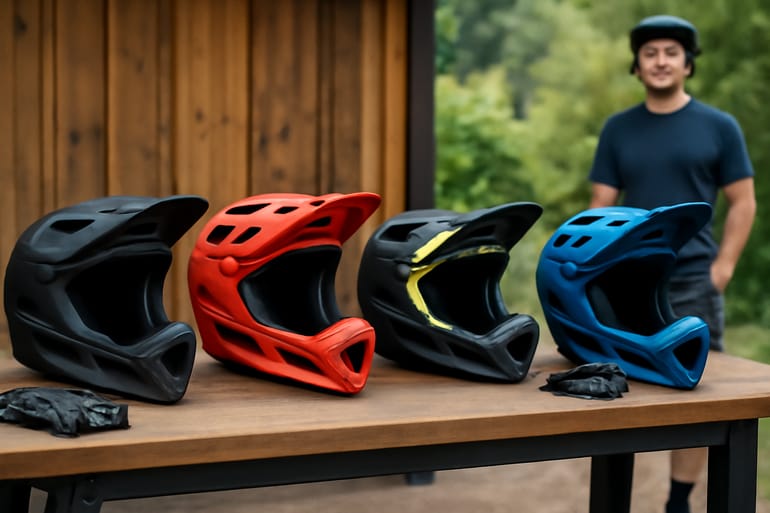
A full-face MTB helmet is built for riders who want more coverage around the chin, jaw, and sides of the head than an open-face trail lid can provide. That matters most when speed, technical descents, jumps, bike-park laps, or unpredictable terrain raise the risk of face-first impacts. For many riders in the UK, the question is not whether full-face protection works, but when the extra weight and coverage are worth it.
For gravity riding, enduro stages, downhill sessions, and rough off-road use, the answer is often yes. A good full-face design can give you better confidence on steep lines while still offering enough ventilation for demanding efforts. Riders crossing over from moto or sport bike backgrounds often appreciate the familiar enclosed feel, but MTB-specific models are lighter and better ventilated for pedalling.
You also do not need to be an expert rider to benefit. Beginner riders often gain the most from extra protection because line choice, braking technique, and body positioning are still developing. For off-road riders, the added chin-bar security can make sense on rocky trails, uplift days, and bike-park runs. If you are comparing models already, top Features for MTB Full-Face Helmets breaks down the details that actually affect real rides.
The key is matching helmet style to your terrain, speed, and tolerance for heat, not just buying the most aggressive shell on the shelf.
What safety standards and certifications should you check?
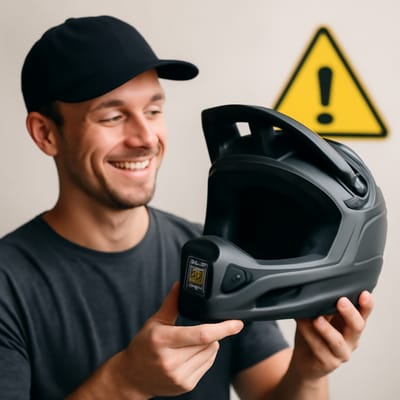
Safety claims are easy to print on a box, so verification matters. Start by checking for a clearly marked certification label, manufacturer documentation, and consistent product information across the retailer listing, packaging, and helmet interior. A trustworthy helmet should show its compliance details plainly rather than hiding them behind vague phrases like race ready or premium protection.
For UK buyers, certification can be confusing because standards vary by category and intended use. Some riders also compare MTB helmets with motorcycle-style standards because they want maximum reassurance. The important point is to understand what standard applies to the helmet type you are considering and whether the product is genuinely designed for mountain biking. DOT vs ECE Certification for Mountain Bike Helmets helps explain where riders often get mixed up and what to evaluate before you buy.
A useful checklist includes:
- Certification marking inside the helmet
- Clear model name and size label
- Traceable seller information
- Replaceable parts listed accurately
- No exaggerated or inconsistent safety language
This matters even more for non-brand shoppers, who may be comparing lower-cost listings across marketplaces. A cheaper helmet is not automatically unsafe, but weak documentation, missing labels, and unclear test claims are serious warning signs. Buying guidance should always start with verified protection, then move to fit, comfort, and features.
How should a full-face MTB helmet fit for comfort and control?
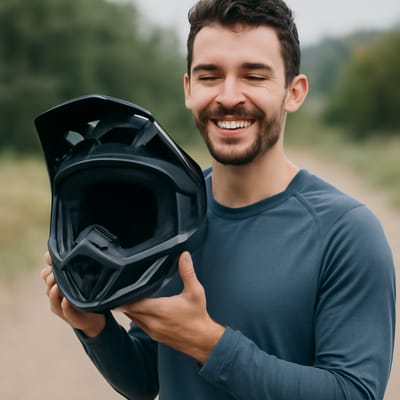
Even a highly rated helmet is a poor buy if it moves around on your head or creates pressure points after twenty minutes. A proper MTB helmet fit should feel snug and even, with secure contact around the crown and cheeks, but no hot spots that turn into pain. The chin bar should sit close enough to feel protective without crowding your mouth or limiting natural breathing.
Try the helmet on with the eyewear and riding kit you actually use. Goggles should seal well against the eye port, the strap should sit flat under your jaw, and the helmet should stay stable when you shake your head gently. If the crown feels right but the cheeks are too loose or too tight, removable pad systems can make a big difference. That is especially useful for riders who pedal long transitions one day and ride lift-accessed terrain the next.
A practical fit check looks like this:
- Even pressure all around the head
- Minimal movement when fastened
- Cheek pads touching without crushing
- Good goggle compatibility
- No blocked vision or awkward neck angle
For riders coming from road, scooter, or sport bike helmets, MTB fit can feel surprisingly open and lightweight. That is intentional. These helmets are tuned for trail movement and airflow. If sizing is your biggest concern, how to Fit MTB Full-Face Helmets: Sizing and Comfort walks through measurement, pad tuning, and comfort adjustments in more detail.
Which features matter most for your riding scenario?
Not every full-face helmet suits every ride. A downhill-focused model may offer excellent coverage and confidence on steep descents, but feel excessive on long pedalling days. On the other hand, a lighter enduro-style option can be easier to live with for mixed terrain while still adding facial protection compared with a half-shell.
Start with the conditions you ride most often. Ventilation matters if your rides include climbs, warm-weather efforts, or long trail days. Weight becomes more noticeable over several hours. Visor adjustment helps with goggles and changing light. Removable liners make sweaty helmets easier to clean, and that becomes important fast in muddy UK conditions. Riders doing repeated park laps may prioritise a stronger, more planted feel, while mixed-use trail riders often want a better comfort-to-protection balance.
Compare helmets using a short list of needs:
| Riding scenario | Priority features |
|---|---|
| Bike park and downhill | coverage, stability, goggle fit |
| Enduro and all-day rides | ventilation, lower weight, comfort |
| Wet UK trail riding | washable liner, secure visor, durable padding |
| Technical off-road terrain | jaw coverage, field of view, retention |
For off-road riders on rocky or root-heavy terrain, visibility and stability can matter just as much as impact coverage. If you want a deeper breakdown of vents, retention systems, liners, and shell details, top Features for MTB Full-Face Helmets is a useful next step before narrowing your shortlist.
How can you compare helmets and buy with confidence?
A smart buying process keeps you from overpaying for features you will never use or underbuying on protection and fit. Start with three filters: verified safety information, correct fit range, and riding scenario. Once those are locked in, compare comfort features, weight, ventilation, liner quality, and replacement-part availability. That approach works whether you are shopping premium models or trying to find sensible value.
For beginner riders, it helps to avoid chasing the lightest or most race-oriented option first. Comfort, easy adjustment, and dependable coverage usually matter more. For non-brand shoppers, seller transparency is a major part of value. Check return policies, interior labels, spare pad availability, and whether the listing includes real specification details instead of generic marketing copy.
Before you commit, use this buying checklist:
- Confirm the helmet is intended for MTB use
- Verify certification details and seller credibility
- Match the shell shape to your head and goggle setup
- Compare ventilation against your typical ride length
- Factor in maintenance and replacement parts
Long-term value also depends on upkeep. Mud, sweat, UV exposure, and repeated transport can shorten helmet life if you ignore care. That is why maintenance and Longevity of MTB Full-Face Helmets is worth reading before you buy, not just after. A helmet that is easy to clean and maintain is often the better purchase over time.
If you are ready to refine your shortlist, full-Face MTB Helmet Buying Guide gives you a strong starting point for comparing current options more efficiently.
Full-Face MTB Helmet Buying Guide FAQs
Is a full-face MTB helmet worth it for beginner riders?
Yes, it can be, especially if you ride steep trails, bike parks, or technical descents. Extra chin and jaw coverage can add reassurance while you build skills, and many modern models are comfortable enough for regular use.
What should off-road riders prioritise in a full-face MTB helmet?
Off-road riders should focus on stable fit, good visibility, strong jaw coverage, and ventilation that suits hard efforts. Mud-resistant liners and secure goggle compatibility also matter on rough UK trails.
Are non-brand full-face MTB helmets safe to buy?
They can be, but only if the safety markings, product details, and seller information are clear and consistent. Avoid any listing with vague certification claims, missing labels, or no traceable after-sales support.
How tight should a full-face MTB helmet feel?
It should feel snug all around the head and cheeks without painful pressure points. The helmet should not shift much when fastened, and you should still be able to breathe and speak naturally.
Do I need a downhill-specific helmet for normal trail riding?
Not always. If most of your riding includes long climbs and mixed terrain, a lighter enduro-friendly full-face model may be the better choice than a heavier downhill-focused design.
How do I compare ventilation between two helmets?
Look at vent placement, internal channel design, chin-bar airflow, and liner construction rather than vent count alone. A helmet with fewer but better-positioned vents can feel cooler on the trail.
When should I replace a full-face MTB helmet?
Replace it after a significant impact, visible shell or liner damage, or clear signs of aging that affect fit and integrity. Even without a crash, heavy wear, sweat exposure, and degraded padding can make replacement necessary over time.