Types of Helmet: Complete Guide to Choosing Right
Breadcrumb
What are the main types of helmet and who are they for?
Understanding the types of helmet available is the fastest way to narrow your options without wasting money on the wrong category. Different helmets are built for different speeds, impacts, riding positions, and comfort needs. A full-face design, for example, solves a different problem than an open-face road helmet or a lightweight trail model.
At a broad level, most riders will encounter several major categories:
- Full-face helmets for maximum facial and jaw coverage
- Open-face helmets for lighter weight and more airflow
- Trail and enduro helmets for mixed climbing and descending
- Downhill helmets for gravity-focused riding
- Road cycling helmets for speed, ventilation, and long-effort comfort
- Sport-oriented protective helmets for higher-speed use in other riding disciplines
The key is matching the helmet to the activity rather than shopping by appearance alone. Mountain bike riders often need more coverage and goggle compatibility when trails become steeper or more technical. Sport bike riders may already understand impact protection, but cycling-specific designs prioritize lower weight and better ventilation. Off-road riders usually need stability on rough terrain, while beginner riders often need the clearest guidance on fit, protection, and value.
Non-brand shoppers are often in the strongest position because they are less likely to be distracted by marketing. If you compare helmet purpose, safety standard, fit, and comfort first, the shortlist becomes much more practical. Start with use case, then compare features. That one shift prevents most buying mistakes before they happen.
How do full-face, open-face, and specialty helmets differ?
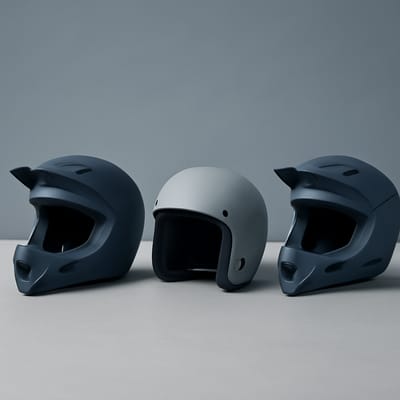
The biggest difference between helmet categories is the balance between coverage, ventilation, weight, and intended use. A full-face helmet protects more of the chin and jaw area, which makes it popular for downhill riding, jump lines, and technical descents. An open-face helmet gives you more airflow and lighter weight, which can be better for long rides with sustained climbing.
Specialty helmets sit between or beyond those two ends of the spectrum. Enduro helmets often try to blend protection and pedal-friendly comfort. Downhill models lean more heavily toward robust structure and impact coverage. Road helmets prioritize speed, cooling, and low weight for long efforts.
Here is a simple comparison:
| Helmet type | Main strength | Best use |
|---|---|---|
| Full-face | Maximum coverage | Descents, parks, technical terrain |
| Open-face | Low weight and airflow | Everyday riding, lighter trail use |
| Enduro | Balanced protection | Mixed climbs and descents |
| Downhill | Strong gravity focus | Bike parks and aggressive descending |
| Road | Aerodynamics and cooling | Pavement and endurance riding |
This matters because many riders buy outside their real needs. A beginner may assume more protection is always better, then discover the helmet feels too hot for their usual rides. An off-road rider may underestimate how much chin-bar coverage matters on steep terrain. A sport bike rider may expect familiar protection logic, only to realize cycling helmets are shaped by completely different comfort and weight priorities.
The right helmet category should feel like a match for your riding reality, not just your most extreme scenario.
What safety standards and protection features should you compare?
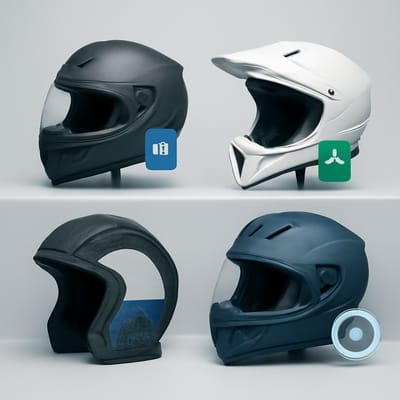
Safety labels matter, but they work best when you understand what they are actually telling you. A helmet safety standard confirms that the helmet has passed defined testing criteria for its intended category. That is the baseline. Beyond that, you should compare design details that affect how the helmet performs and how confidently you will wear it.
Important features to compare include:
- Certification for the intended activity
- Shell construction and coverage areas
- EPS foam design for impact management
- Rotational impact systems such as slip-plane layers
- Retention systems that keep the helmet stable
- Visor and goggle compatibility where relevant
For full-face and off-road use, protection is not just about having more material. You also need the helmet to stay stable when the trail gets rough, work properly with goggles, and remain comfortable enough to wear consistently. Beginner riders often focus on one big feature, such as rotational impact technology, but a better buying habit is to assess the whole package.
This is also where category-specific topics become useful. Full-face helmet buying, certification differences, fit methods, and maintenance each deserve more detailed treatment once you move beyond the overview stage. Use this page to understand the framework, then compare helmets based on the standards and features that matter for your riding style rather than on marketing claims alone.
Why do fit, comfort, and sizing matter as much as safety tech?
A helmet can have strong safety credentials on paper and still be the wrong choice if the fit is poor. Helmet fit and comfort affect stability, confidence, and whether you actually want to wear the helmet on every ride. A lid that shifts, pinches, or creates hot spots will never feel as protective in real use as one that fits securely and evenly.
Start with head circumference, but do not stop there. Shape matters too. Some helmets feel better on rounder heads, while others suit more oval profiles. The same labeled size can feel completely different from one model to another.
A reliable fit check looks like this:
- The helmet sits level on your head.
- It feels snug without sharp pressure points.
- The retention system keeps it stable.
- Straps sit securely without irritation.
- Full-face models hold the cheeks firmly but comfortably.
Comfort details also influence long-term satisfaction. Ventilation matters more for riders who pedal often. Washable liners and replaceable pads matter if you ride in mud, heat, or frequent off-road conditions. Beginner riders should spend extra time testing for pressure points because discomfort usually appears after several minutes, not instantly. Non-brand shoppers often make better decisions here because they pay closer attention to feel than to styling.
If you get fit right early, the rest of the buying process becomes much easier. A smaller shortlist built around real comfort usually beats a large one built around specs alone.
How should you choose a helmet based on riding style and budget?
The smartest buying decisions happen when you match your helmet to the kind of riding you do most often. That sounds obvious, but many people shop for occasional extreme use and then end up with a helmet that feels wrong on regular rides. A better approach is to weigh terrain, speed, climbing time, weather, and how much protection you realistically need.
For example, riders spending most of their time on technical descents may lean toward full-face or downhill-focused designs. Riders mixing climbs and rough trail sections may prefer enduro-style protection with better airflow. Sport bike riders exploring cycling gear should expect a very different balance of weight and ventilation. Off-road riders often benefit from stronger coverage and stable goggle integration.
Budget matters too, but value is more useful than price alone. Compare:
- Fit quality at your price point
- Ventilation and weight for your usual rides
- Replaceable pads or parts for long-term use
- Warranty or crash replacement support
- Feature relevance rather than feature count
Beginner riders often do well with a balanced mid-range helmet that fits properly and covers their most common riding conditions. Non-brand shoppers should keep doing what works: compare categories and real benefits first, then narrow by price. Topics such as full-face buying, top features, certification differences, and maintenance become especially helpful once you know which category you are actually shopping in.
Choose for your weekly reality, not just your once-a-season ambition.
What should you check before buying and after owning a helmet?
Before buying, make sure the helmet matches your riding category, fits your head shape, and has the features you will genuinely use. Too many buyers rush to checkout because the price looks good or the styling feels premium. A few basic checks can prevent an expensive mistake.
Use this pre-purchase checklist:
- Confirm the helmet is designed for your riding style
- Check the certification and intended use
- Measure your head and compare size charts carefully
- Test comfort for more than a minute or two
- Verify return terms and replacement part availability
- Check compatibility with goggles or glasses if needed
Ownership matters just as much. Liners need cleaning, straps need inspection, and any helmet that takes a significant impact should be replaced. Heat, sweat, rough storage, and everyday wear gradually affect comfort and confidence even when damage is not obvious.
This matters across the whole category. Off-road riders often deal with more mud, sweat, and transport knocks. Beginner riders may not realize how quickly small fit issues become major annoyances. Non-brand shoppers usually value longevity highly, so maintenance and replacement costs should be part of the original buying decision.
A helmet is not just a one-time purchase. It is protective gear you depend on repeatedly. The better you understand category, fit, and upkeep, the easier it becomes to choose well and keep that choice working for the long run.
FAQ
What type of helmet is best for beginner riders?
The best type depends on where and how you ride. Beginner riders should usually start with the category that matches their most common terrain, then prioritize fit, comfort, and certified protection over extra features.
Are full-face helmets only for off-road riders?
No, but they are especially useful for off-road riders tackling technical descents, jump lines, and bike park terrain. The extra chin and jaw coverage can be a major advantage when the chance of a forward impact is higher.
Should non-brand shoppers avoid premium helmets?
Not necessarily. Non-brand shoppers should compare value rather than labels, which means a premium helmet can be a smart buy if the fit, comfort, and feature set clearly justify the cost.
How do I know which helmet category fits my riding style?
Look at your weekly riding habits, not your occasional extremes. Terrain, speed, climbing time, weather, and desired coverage will usually point clearly toward full-face, open-face, enduro, downhill, or road categories.
Do more expensive helmets always offer better protection?
Not always. Higher prices may bring lower weight, better ventilation, upgraded liners, or extra safety features, but proper certification and fit still matter more than price alone.
How tight should a helmet feel?
It should feel snug and stable without painful pressure points. A helmet that shifts too easily or creates immediate discomfort is likely the wrong size or shape.
When should a helmet be replaced?
Replace it after a significant crash or impact, even if damage is not obvious. You should also replace it when wear, age, liner breakdown, or fit loss starts affecting safety or comfort.