Motorcycle Helmet Types UK: Safety Standards Guide
Breadcrumb
Which motorcycle helmet types should UK riders know first?
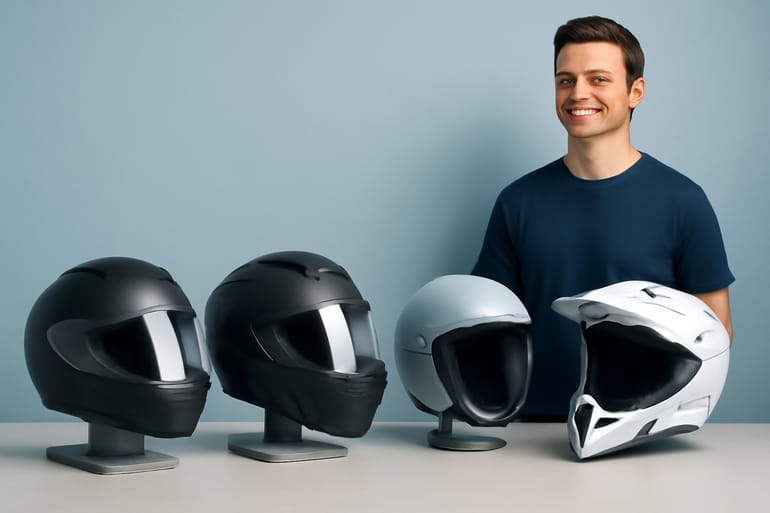
Choosing among motorcycle helmet types gets easier when you start with how and where you ride. In the UK, riders often begin with broad categories such as full-face helmets, open-face styles, modular designs, and more specialist off-road options. Each type changes your level of coverage, comfort, visibility, airflow, and day-to-day practicality.
For many riders, full-face designs are the benchmark because they balance broad facial coverage with predictable structure and weather protection. That is especially relevant if you ride at higher speeds, commute in mixed conditions, or want one of the most confidence-inspiring formats available. Mountain bike riders crossing into gravity-focused riding also tend to look at full-face protection, although their helmets are built around different use cases and weight expectations.
A simple way to frame the options is this:
- Full-face helmets for maximum overall coverage
- Modular helmets for flexibility between closed and open positions
- Open-face helmets for a more exposed feel and airflow
- Off-road and MTB full-face designs for terrain-specific needs
If your shortlist already leans toward chin-bar coverage, full-Face MTB Helmet Buying Guide adds useful context on when a full-face design is worth it and what changes between gravity, trail, and more aggressive riding setups.
When is a full-face helmet the right choice?

A full-face helmet is often the right choice when you want strong all-around coverage, stable aerodynamics, and protection that feels reassuring in faster or more technical riding. For sport bike riders, that usually means road-focused control, wind management, and reduced exposure. For off-road riders and some MTB users, the appeal is chin-bar coverage and added confidence on steep descents or rough terrain.
The right choice depends on your riding pattern. A rider commuting through town at moderate speeds may prioritize visibility, comfort at junctions, and manageable weight. Someone riding longer road stretches may value noise control and shell stability. A bike-park rider, by contrast, may care more about airflow, goggle compatibility, and lower neck fatigue over repeated runs.
You can narrow the decision with a few questions:
- Do you ride at speed or in mixed weather often?
- Do you want the most enclosed helmet feel?
- Will you be pedaling hard, climbing, or wearing goggles?
- Do you need one helmet for road use, or a purpose-built off-road option?
Those details matter because a motorcycle full-face helmet and an MTB full-face helmet can look similar while performing very differently in real use. If you are deciding based on vents, visor shape, and interior design, top Features for MTB Full-Face Helmets shows how feature choices should match the way you actually ride.
How should UK riders understand DOT and other safety standards?
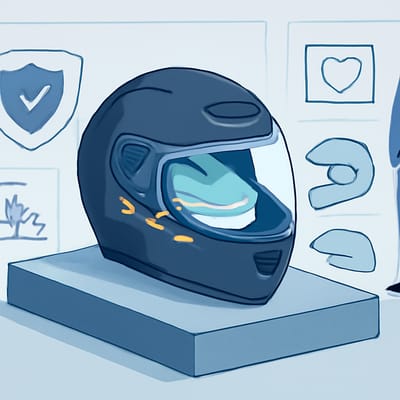
Safety standards help you verify that a helmet has been tested to a recognized benchmark, but the label only makes sense when it matches the helmet category and the way you ride. UK buyers often come across DOT, ECE, and other terms while comparing listings. The mistake is assuming that the most familiar label is automatically the best choice in every context.
For road motorcycling, ECE is highly relevant in the UK and wider European market. DOT is associated with US motorcycle helmet standards. Both matter in motorcycle discussions, but mountain bike and off-road pedal helmets may be built around different testing priorities and use conditions.
Keep these points in mind:
- A certification label is not the whole buying decision
- Intended use matters as much as the standard itself
- A road motorcycle helmet is not automatically ideal for MTB riding
- A genuine label should be clear, specific, and easy to verify
Beginner riders often focus on certification first because it feels objective. That is understandable, but a poorly fitted helmet with the wrong use case can still be the wrong purchase. For a closer look at the most common comparison in this cluster, dOT vs ECE Certification for Mountain Bike Helmets explains where those labels help, where they do not, and how UK buyers should interpret them.
What makes helmet fit and comfort so important?
A helmet can only do its job properly if it fits well. Helmet fit affects stability, pressure distribution, visibility, and how likely you are to wear the helmet consistently on longer rides. If the shell shifts when you move, creates forehead hotspots, or leaves too much room around the cheeks, comfort drops quickly and confidence usually follows.
A good fit checklist starts with the basics:
Crown fit
The helmet should feel snug around your head without painful pressure points.
Cheek contact
Full-face designs should hold the cheeks securely, but not so tightly that speaking or breathing feels awkward.
Movement test
Fasten the strap and gently move the helmet. It should stay stable rather than rotating easily.
Riding posture
What feels acceptable in a shop can become uncomfortable after 30 minutes in a tucked road posture or a steep off-road descent.
This is especially important for off-road riders and mountain bike riders, where climbing, repeated movement, and heat buildup can expose a poor fit very quickly. Non-brand shoppers should also pay close attention to the return policy, sizing chart quality, and pad options because generic listings often vary more than expected. If you want a step-by-step process, how to Fit MTB Full-Face Helmets: Sizing and Comfort breaks the sizing and comfort side down in practical detail.
How can you compare helmets without getting overwhelmed?
Once you narrow the helmet type and standard, comparison becomes much more manageable. The trick is to compare a small group of helmets against the same criteria instead of reacting to whichever product page sounds most confident. This helps both experienced riders and beginners avoid buying based on a single headline feature.
A practical comparison framework includes:
| Comparison point | Why it matters |
|---|---|
| Intended use | Confirms the helmet matches road, MTB, or off-road needs |
| Safety standard | Helps verify testing relevance |
| Weight | Affects fatigue and all-day comfort |
| Ventilation | Important for warm weather and active riding |
| Interior fit | Shapes pressure points and stability |
| Return policy | Reduces risk if sizing is wrong |
For non-brand shoppers, verification is part of comparison. Look for complete specification sheets, label photos, realistic weight information, and seller credibility before you click through to product pages. This is also where affiliate comparisons and product reviews become genuinely useful, because they let you line up key differences before adding anything to your basket.
After purchase, maintenance should stay part of the decision. Padding, liners, and shell condition all affect long-term value, and maintenance and Longevity of MTB Full-Face Helmets explains what to inspect so your helmet remains comfortable and trustworthy over time.
What should different riders prioritize before buying?
The best helmet is not the same for every rider. A sport bike rider usually needs a road-focused full-face helmet that delivers stability, coverage, and comfort at speed. A mountain bike rider often needs lighter weight, stronger airflow, and features that work with goggles and repeated movement. Off-road riders sit somewhere in the middle depending on whether the ride is powered, pedal-driven, or mixed terrain.
Before buying, ask yourself:
- What riding category is this helmet truly designed for?
- Will I wear it for short bursts or full-day sessions?
- Do I need more ventilation or more weather isolation?
- Am I buying from a seller I trust?
- Can I verify fit details before committing?
For beginner riders, the safest path is often a short, disciplined shortlist instead of chasing every feature at once. For non-brand shoppers, it helps to favour transparency over marketing language. A product page that clearly shows standards, size guidance, and care details is usually a better sign than one packed with vague claims.
If you are ready to move from overview to more specific buying help, start with full-Face MTB Helmet Buying Guide for broader helmet selection, then compare fit and feature details using the related guides linked throughout this page. That approach keeps your research practical and purchase-ready without losing sight of safety.
Frequently asked questions about helmet types and safety
Which motorcycle helmet type is usually best for UK riders?
There is no single best type for everyone, but full-face helmets are often the default starting point for riders who want broad coverage and a more enclosed feel. Your ideal choice depends on whether you ride on the road, off-road, or in MTB environments.
Is DOT certification enough for a UK helmet purchase?
DOT can be relevant in motorcycle discussions, but UK riders should also understand how it differs from ECE and whether it fits the helmet category they are buying. The more important question is whether the helmet is appropriate for your actual riding use.
What should beginner riders look for first?
Beginner riders should start with fit, intended use, and certification clarity. It is easier to make a smart choice when you ignore hype and focus on comfort, stability, and trustworthy product information.
Are full-face helmets worth it for off-road riders?
Often yes, especially when the riding involves rough terrain, descents, debris, or higher confidence demands. The exact helmet should still match whether the use is pedal-powered MTB, powered off-road riding, or mixed conditions.
How can non-brand shoppers buy safely online?
Check the seller reputation, read the full specification, verify the listed safety standard, and review return terms before purchase. Non-brand shoppers should be extra cautious with vague wording and missing label photos.
Do mountain bike riders need the same helmet as sport bike riders?
Usually no. Mountain bike riders often need lighter, better-ventilated helmets designed for movement and off-road effort, while sport bike riders typically benefit from road-focused shells built for speed and weather protection.
How often should you replace a full-face helmet?
Replacement depends on impact history, visible wear, liner condition, and manufacturer guidance. Even without a crash, age, sweat, storage conditions, and daily use can gradually reduce comfort and trustworthiness.