MTB Full-Face Helmet Care Guide for Longer Life
Breadcrumb
Why does MTB full-face helmet maintenance matter so much?
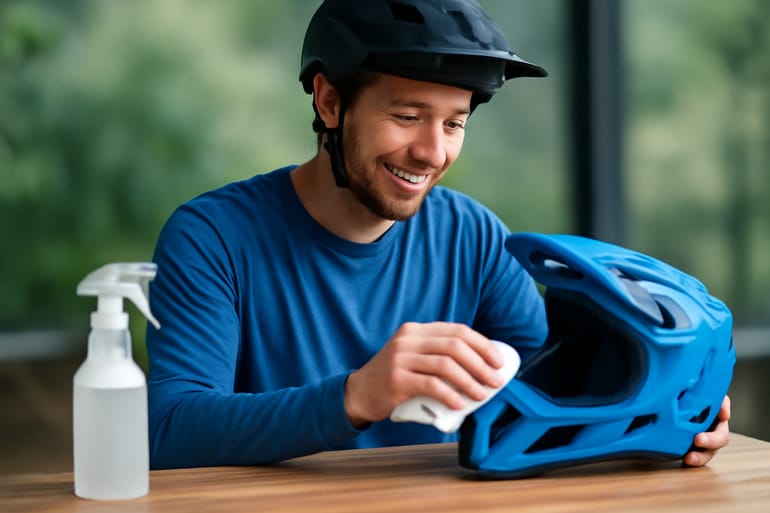
An MTB full-face helmet is only as protective as its condition. Even premium designs lose performance when dirt builds up, padding stays damp, vents clog, or small impacts go unnoticed. Good maintenance is not just about looks. It helps preserve fit, comfort, and the helmet's ability to manage energy in a crash.
For riders comparing models, care should be part of the buying decision from the start. Full-Face MTB Helmet Buying Guide explains how safety, weight, ventilation, and intended use shape your choice, but ownership matters after purchase too. A helmet that fits well on day one can become loose, smelly, or uncomfortable if pads compress and straps are neglected.
This is especially important for off-road riders dealing with mud, sweat, dust, and repeated transport in gear bags. Beginner riders often focus on price first, then discover that poor care shortens the life of an otherwise solid helmet. For non-brand shoppers, maintenance is one of the easiest ways to protect value no matter which manufacturer you choose.
A simple routine makes a real difference:
- Wipe down the shell after dirty rides.
- Dry the helmet fully before storing it.
- Check the visor, liner, and strap hardware regularly.
- Replace worn comfort parts when possible.
- Retire the helmet after a serious impact.
Treat your helmet like safety equipment, not just riding apparel, and it will stay more comfortable and dependable for longer.
How should you clean an MTB full-face helmet safely?
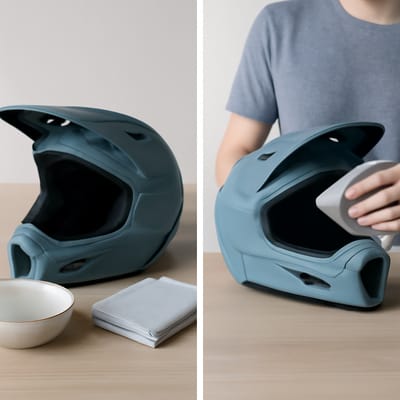
Cleaning should protect the helmet, not wear it out faster. Start with a soft cloth, lukewarm water, and mild soap. Avoid harsh cleaners, solvents, and abrasive brushes because they can damage the outer shell, fade finishes, and weaken glues that hold comfort parts in place.
A safe cleaning routine usually looks like this:
- Remove any detachable cheek pads, crown liner, or neck roll.
- Hand-wash soft parts with mild soap and rinse thoroughly.
- Wipe the shell and chin bar gently.
- Clear vents with a soft brush or cloth, not a sharp tool.
- Let everything air-dry naturally before reassembly.
Fit-related parts deserve extra attention because sweat and grime change how the helmet feels on long descents. If sizing has become inconsistent, how to Fit MTB Full-Face Helmets: Sizing and Comfort helps you tell the difference between true fit problems and pads that simply need cleaning or replacement.
Feature layout also affects maintenance. More ventilation channels, removable liners, and adjustable visors can make cleaning easier in real-world use, and top Features for MTB Full-Face Helmets gives useful context on what to look for before you buy.
One more rule matters: never speed up drying with a radiator, hair dryer, or direct high heat. Heat can warp components, reduce adhesive strength, and shorten the helmet's useful life.
What causes full-face MTB helmets to wear out faster?
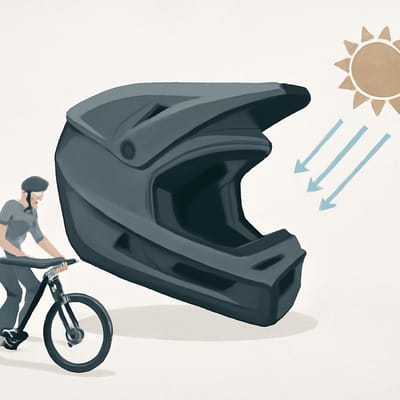
Most helmets age from daily habits, not dramatic crashes. The biggest causes of early wear are UV exposure, trapped moisture, rough transport, repeated minor knocks, and neglected interior padding. Leave a helmet in a hot car often enough and materials can break down long before the shell looks obviously damaged.
Common lifespan killers include:
- Storing the helmet in direct sunlight
- Tossing it loose with tools or pedals in a car boot
- Packing it while still wet from sweat or rain
- Using aggressive cleaning sprays
- Ignoring frayed straps or loose visor hardware
- Continuing to ride after a meaningful impact
For sport bike riders using a full-face design in mixed contexts, a helmet may appear clean while still collecting interior salt, skin oils, and compressed padding. For off-road riders, the bigger issue is often hidden grit around vents and hardware. In both cases, the result is the same: reduced comfort, faster wear, and more uncertainty about protection.
Certification labels matter, but so does preserving the helmet in a condition that supports its original performance. DOT vs ECE Certification for Mountain Bike Helmets explains standard differences well, yet no certification can compensate for a damaged or compromised helmet.
As a practical rule, inspect your helmet after every hard ride and every crash, even a low-speed one. Look for cracks, crushed foam, loose rivets, damaged chin bars, or a fit that suddenly feels different.
How do you store a helmet to maximize longevity?
Storage has a bigger effect on helmet longevity than many riders expect. The best place is cool, dry, clean, and out of direct sun. A shelf indoors is usually better than a garage that swings between damp cold and summer heat. If you travel often, use a soft helmet bag to prevent scratches and keep grit away from the liner.
To store a full-face MTB helmet properly:
- Let it dry completely after each ride.
- Keep it away from fuel, cleaning chemicals, and solvents.
- Do not hang it by the chin strap for long periods.
- Avoid stacking heavy gear on top of it.
- Check the visor screws and retention system before the next ride.
This matters for beginner riders building their first kit because simple storage mistakes can make a newer helmet feel old quickly. It also matters for non-brand shoppers who want the best return on a value-focused purchase. Good storage protects any helmet, whether it sits at the premium end or the affordable middle of the market.
If you are still deciding what matters most before buying, ventilation, removable padding, hardware quality, and liner design all influence long-term ownership, not just first impressions. That is one reason the broader buying process in full-Face MTB Helmet Buying Guide is worth reviewing before you commit to a model.
A helmet should feel ready to ride when you pull it off the shelf. Proper storage is what makes that consistency possible.
When should you replace an MTB full-face helmet?
Replacement is the point where maintenance ends and safety takes priority. You should replace an MTB full-face helmet after a significant crash, any impact that damages the shell or liner, or whenever the helmet no longer fits securely because the interior has worn out. Even without a major crash, materials age over time through heat, sweat, sunlight, and everyday handling.
Replace the helmet sooner if you notice:
- Cracks, dents, or soft spots in the shell or foam
- Loose or damaged chin bar components
- A strap that no longer tightens properly
- Padding that stays compressed and changes fit
- Missing parts that affect retention or comfort
For riders in buying mode, this is where long-term value becomes practical. A helmet with removable liners, easily sourced spare parts, and durable hardware can be a smarter choice than a cheaper option that becomes uncomfortable fast. That is especially true for regular park laps, race weekends, or muddy winter riding where wear adds up quickly.
If your current helmet is close to retirement, compare new options with an eye on care as well as protection. Features that improve ventilation, cleaning access, and fit adjustment often support longer useful ownership, not just a better first ride.
The safest mindset is simple: if you are unsure whether crash damage is cosmetic or structural, err on the side of replacement. Confidence matters, and hesitation about your helmet is a sign worth taking seriously.
Frequently asked questions about helmet care
How often should you clean an MTB full-face helmet?
A light wipe-down after dirty rides is a good habit, and a deeper clean every few weeks works well for regular use. If you ride in hot weather, wet conditions, or bike parks often, clean the liner and pads more frequently.
Can off-road riders use pressure washers or strong sprays on helmets?
No. High-pressure water can force moisture into padding, vents, and small joints, while strong sprays may harm finishes and adhesives. Off-road riders are better off using a soft cloth, mild soap, and patient hand cleaning.
How can beginner riders tell whether a helmet needs replacing or just new pads?
If the shell and impact liner are undamaged but the fit feels loose, worn padding may be the issue. If there was a crash, visible damage, or the helmet suddenly feels different in structure, replacement is the safer choice.
Do non-brand shoppers need to care for helmets differently?
No. Cleaning, drying, storage, and impact checks matter the same way across the market. Non-brand shoppers should focus on build quality, removable comfort parts, and clear replacement guidance when comparing options.
How long does an MTB full-face helmet usually last?
That depends on use, storage, and whether it has taken impacts. A well-maintained helmet used normally may last several years, but heavy riding, heat exposure, and crashes can shorten that timeline significantly.
Is it safe to buy a used full-face mountain bike helmet?
Usually, it is risky because you cannot verify crash history, storage conditions, or internal damage. For safety equipment, unknown history is a serious drawback even if the helmet looks clean.
What storage mistake damages helmets most often?
Leaving a helmet in a hot car or direct sun is one of the most common problems. Repeated heat exposure can age materials faster and reduce long-term comfort and confidence.
Should you replace a helmet after a minor crash?
If the helmet took a meaningful hit, replacement is the safest move even if damage is not obvious. Modern helmets are designed to manage impact energy, and that protection can be compromised after a crash.