MTB Full-Face Helmet Fit: Sizing Guide for Comfort
Breadcrumb
Why does proper MTB full-face helmet fit matter so much?
A good MTB full-face helmet fit does more than feel comfortable. It keeps the helmet stable over rough ground, helps the chin bar stay in the right position, and reduces the chance of movement during a crash. If your helmet is too loose, it can shift when trails get fast and rough. If it is too tight, you may end up with pressure points, headaches, or numb cheeks that make long rides miserable.
For most riders, the right starting point is simple: the helmet should feel snug all around without sharp hotspots. Your crown should feel evenly supported, your cheeks should be gently compressed, and the helmet should not wobble when you move your head. That balance matters whether you ride bike parks on weekends, race downhill, or just want extra coverage on steeper local tracks.
Beginners often assume sizing is only about head circumference, but full-face helmet sizing also depends on shell shape, cheek pad thickness, and how the retention system works. Riders comparing options across categories can get a broader overview from full-Face MTB Helmet Buying Guide, while fit-sensitive buyers should also pay attention to ventilation, liner design, and padding layout. Those details, along with weight and visor adjustability, are explained well in top Features for MTB Full-Face Helmets.
A helmet that fits correctly should disappear once you start riding. You notice the trail, not the discomfort.
How do you measure your head and choose the right size?
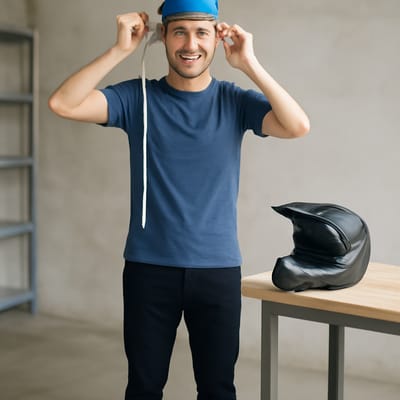
Start with a soft tape measure and wrap it around the widest part of your head, usually about 1 cm above your eyebrows and ears. Keep the tape level, and take the measurement two or three times to make sure it is consistent. That number gives you the base for how to size an MTB helmet, but it is only the first step.
Use these sizing checks before you buy
- Compare your measurement with the brand's size chart.
- If you fall between sizes, think about your head shape as well as the chart.
- Check whether the helmet comes with different cheek pads or liner options.
- Read sizing notes for whether the fit runs narrow, round, or long front to back.
A helmet can match your measured size and still fit poorly if the internal shape does not suit you. Some riders feel pressure at the forehead, while others get looseness at the sides. Non-brand shoppers should focus on fit characteristics, safety ratings, and pad options rather than logos or marketing language.
If you are also comparing protection standards before buying, dOT vs ECE Certification for Mountain Bike Helmets helps clarify what those labels mean and why certification alone does not replace a proper fit test. Once you know your size range, the next job is checking crown fit, cheek pressure, and chin bar clearance in person or immediately after delivery.
What should a full-face helmet feel like on your head and face?
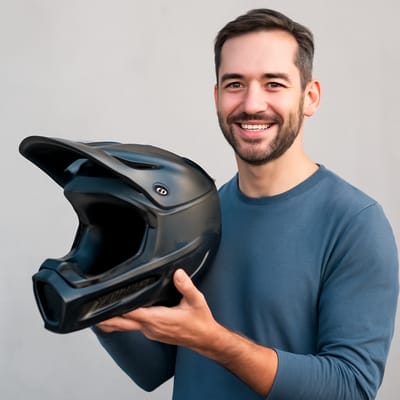
The ideal fit feels secure, even, and stable. When you put the helmet on, you should feel light contact all the way around the crown. There should not be one hard spot at the forehead or temples. Your cheeks should be supported firmly enough that the pads touch your skin, but not so tightly that you bite the inside of your cheeks or feel jaw fatigue after a few minutes.
Quick fit test
- Fasten the chin strap so it sits snugly under your jaw.
- Shake your head gently side to side and up and down.
- Try to roll the helmet forward and backward with your hands.
- Check whether the chin bar sits close enough to protect you without touching your nose or mouth.
For off-road riders, this matters even more because repeated impacts from roots, braking bumps, and landings can expose a loose fit quickly. On rough descents, a helmet that lifts or shifts can feel distracting and less protective. A correct comfortable MTB helmet fit stays planted without needing overtight straps.
Goggle compatibility also affects comfort. A well-fitted shell should work with your goggles without pushing the helmet upward or creating a gap across the brow. Many riders overlook this on first try-on. Design features such as cheek pad contour, vent placement, and field of view all influence real-world comfort, and top Features for MTB Full-Face Helmets gives useful context when you are narrowing down models.
Which comfort problems are signs of the wrong helmet size?
Most fit issues show up fast. If you feel a sharp hotspot on your forehead within ten minutes, the internal shape may be wrong even if the size chart says the helmet should fit. If the helmet rocks when you walk, turn your head, or bend forward, it is probably too loose. If your cheeks feel painfully compressed or your bite changes, the full-face helmet cheek pads may be too thick.
Common problems and what they usually mean
- Forehead pressure: shell shape may be too round or too short internally
- Loose sides: helmet may be too round for a narrower head
- Excessive cheek squeeze: try thinner cheek pads before sizing up
- Helmet lift with goggles: brow fit or goggle frame compatibility issue
- Chin bar too close: wrong shell size or shape
Beginner riders sometimes keep a poor fit because they think a very tight helmet is safer. In reality, discomfort makes you less likely to wear it correctly for long sessions. Sport-oriented riders who spend time at higher speeds may notice noise, lift, or movement earlier, while trail riders may first notice rubbing and heat buildup on climbs.
Buying decisions should weigh fit just as heavily as protection and features. The broader full-Face MTB Helmet Buying Guide is helpful if you are comparing shell styles, ride use, and value before committing to one model. A good helmet should feel controlled, not punishing.
How can you fine-tune comfort after choosing the right size?
Once the shell size is right, small adjustments make a big difference. Many fit complaints come from setup rather than the helmet itself. Start by setting the chin strap so it is snug but not restrictive. Then check whether the helmet sits level on your head rather than tipped back. If the shell position is wrong, even a correct size can feel awkward.
Practical ways to improve fit and comfort
- Swap cheek pads if the helmet includes thicker or thinner sets.
- Reposition the liner so it lies flat with no folds.
- Test with the goggles you actually ride in.
- Wear the helmet indoors for 15 to 20 minutes before removing tags.
- Recheck fit with a neck brace if you use one.
For riders shopping online, this trial period is essential. Pressure points that seem minor in the first minute can become obvious after fifteen. Off-road use also adds sweat, mud, and repeated movement, so a helmet should remain stable when conditions get messy. Topics like cleaning liners, replacing pads, and preserving materials become just as important over time, especially when thinking about maintenance and long-term comfort.
If you are close between two models, choose the one that gives you a stable crown fit first. Pads and straps can fine-tune comfort, but they cannot fix the wrong shell shape. That is also why many buyers start with safety and fit, then compare extras like ventilation, weight, and visor function before heading to product pages or reviews.
How do safety, features, and buying choices connect to fit?
Fit is the filter for every other buying decision. A helmet may have strong coverage, modern impact management, and useful trail features, but none of that helps if it moves around or creates pain. The best buying approach is to narrow your options by certified protection, then compare shell shape, pad options, and comfort details you will actually notice on rides.
A smart shortlist usually includes
- The right certified safety standard for your use
- A size chart that matches your measured head circumference
- Replaceable or optional cheek pads and liners
- Ventilation that suits long climbs and fast descents
- Good integration with goggles and, if relevant, a neck brace
Riders who are deciding between several premium or mid-range options should look at fit-related features before cosmetic ones. A removable liner, secure strap hardware, and realistic sizing support are often more valuable than flashy styling. For buyers in the consideration stage, dOT vs ECE Certification for Mountain Bike Helmets helps frame the protection side of the decision, while full-Face MTB Helmet Buying Guide ties fit, riding style, and purchase priorities together.
If you are ready to compare products, keep notes on size, pressure points, cheek pad feel, and goggle fit. That simple checklist makes it easier to move from browsing to buying without choosing a helmet that looks right but rides badly.
FAQ about MTB full-face helmet sizing and comfort
How tight should an MTB full-face helmet feel?
It should feel snug and evenly secure around your head without sharp pressure points. Your cheeks should be held gently by the pads, and the helmet should not wobble when you move your head.
Can beginner riders use the same fit method as experienced riders?
Yes. Beginner riders should measure head circumference, use the size chart, and then confirm fit with a stability and comfort check. The process is the same, but beginners should be especially careful not to confuse painful tightness with proper protection.
What is the best way for off-road riders to test helmet stability?
Wear the helmet with your usual goggles, fasten the strap, and move your head in all directions. Off-road riders should also mimic rough-trail movement by bending forward and shaking gently to see whether the helmet shifts or lifts.
Should non-brand shoppers care more about features or fit?
Fit should come first. Non-brand shoppers can compare safety certification, pad options, ventilation, and shell shape without focusing on logos, because a well-fitting helmet is usually the better choice than a poorly fitting premium model.
Do cheek pads loosen over time?
Yes, many cheek pads compress slightly with use. A new helmet can feel firm at the cheeks at first, but it should not be painfully tight or affect your jaw position.
What if I am between two sizes in a full-face helmet?
Start with the size chart, then consider head shape and available pad options. If one size feels stable at the crown with manageable cheek pressure, it is often the better choice than sizing up to a loose shell.
Can goggles change the fit of a full-face MTB helmet?
Yes. Some goggle frames can push against the brow area or change how the helmet sits on your face. Always test helmet and goggle compatibility together before you decide to keep the helmet.