MTB Full-Face Helmet Features: Buying Guide 2026
Breadcrumb
What features matter most in MTB full-face helmets?
Choosing MTB full-face helmets is not just about style or price. The right feature set affects protection, comfort, visibility, and confidence on the trail. For aggressive downhill riding, bike park laps, enduro stages, and rough off-road terrain, small design details can make a big difference over a full day in the saddle.
A strong starting point is understanding how features work together. Shell construction, chin bar coverage, padding, ventilation, visor adjustability, and retention systems all influence how a helmet performs in real conditions. If you are still narrowing down helmet type and use case, full-Face MTB Helmet Buying Guide gives broader context before you compare specific features.
For beginner riders, it often helps to focus on the essentials first instead of chasing every premium extra. Start with proven protection, stable fit, and enough airflow for your local conditions. Off-road riders who spend time on steep descents or technical woodland trails may prioritise broader jaw coverage and better goggle integration. Non-brand shoppers should pay even closer attention to clear specifications, certification claims, and construction quality rather than marketing language.
The best helmet is the one that matches your riding style and fits securely every time. Once those basics are covered, feature comparisons become much easier and far more useful.
How do safety, shell design, and chin bar features affect protection?
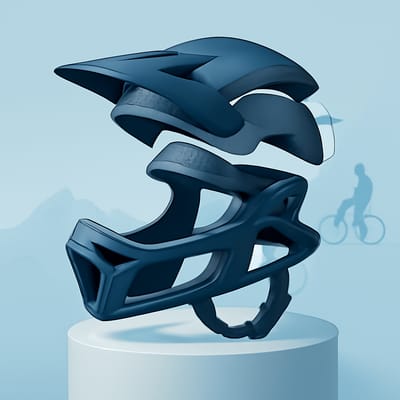
Protection starts with the helmet’s core structure. Look for a durable outer shell, energy-managing liner, and a chin bar that feels solid without making the helmet excessively heavy. In MTB full-face helmets, coverage around the temples, jaw, and rear of the head is especially important because trail crashes often involve awkward angles rather than straight impacts.
Key safety-related features to compare include:
- Certification that is clearly stated and easy to verify
- Extended coverage around vulnerable impact zones
- Breakaway visors that may reduce twisting forces in a crash
- Rotational impact systems or similar liner technologies
- Secure chin bar construction with no obvious flex under normal handling
Sport bike riders crossing over into MTB gear sometimes assume a heavier helmet always means better protection. On the trail, that trade-off is not always worth it. You need protection that works with movement, climbing, and repeated descending, not just maximum bulk. If certification language feels confusing, dot vs ECE Certification for Mountain Bike Helmets helps explain what safety labels actually mean and what to verify before buying.
For non-brand shoppers, this is where caution matters most. A low-cost helmet can still be a sensible buy, but only if the safety information is specific, consistent, and not exaggerated. Vague claims like “race approved” or “extreme protection” are not enough on their own.
Why are fit, weight, and ventilation such important buying features?
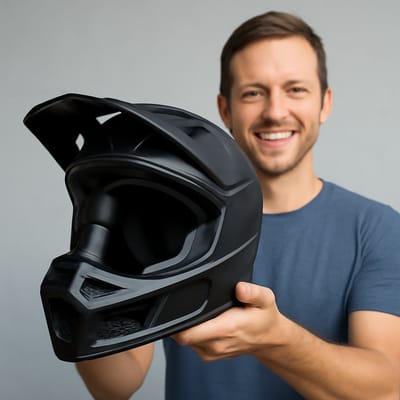
Even the safest helmet can be a poor choice if it becomes uncomfortable after 20 minutes. Fit, weight balance, and ventilation are the features that most often decide whether a helmet feels usable on real rides. A helmet that shifts on descents, creates hot spots, or traps heat can distract you when focus matters most.
When comparing models, pay attention to:
- Internal shape and whether it matches your head profile
- Cheek pad feel so the helmet stays stable without pressure pain
- Weight distribution rather than weight alone
- Vent placement across brow, crown, and rear exhaust points
- Moisture-wicking liners that are removable and washable
Beginner riders often underestimate how much poor fit affects confidence. A secure fit makes steep trails feel more controlled because the helmet moves with your head instead of lagging behind it. Riders doing long uplift days or mixed climbing and descending usually notice ventilation quality very quickly, especially in warmer weather or slow technical sections.
If you want a deeper look at sizing, cheek pads, and pressure points, how to Fit MTB Full-Face Helmets: Sizing and Comfort breaks down what a proper fit should feel like. That guide is especially useful if you are between sizes or trying to buy online without trying several helmets first.
Which comfort and trail-use features improve real-world riding?
Beyond basic protection, the best MTB full-face helmets include practical details that make trail riding easier. A well-designed visor should adjust smoothly and sit high enough to support goggles without blocking your view. Goggle compatibility matters more than many riders expect, particularly on muddy, wet, or high-speed descents where clear vision is everything.
Useful real-world features include:
- Adjustable visors for sun, mud, and goggle storage
- Goggle-friendly eye ports with stable frame support
- Emergency-release cheek pads on some models
- Easy-clean liners for sweat-heavy riding days
- Secure buckle or retention systems that are simple with gloves on
Off-road riders dealing with mixed terrain often benefit from helmets that balance airflow with enough coverage for branches, loose surfaces, and repeated impacts from rough riding. Riders moving between bike park sessions and natural trails may also want a visor that adapts well to changing light and weather.
Comfort features should not be treated as luxury extras. They affect how long you can ride without distraction and how consistent your protection is over time. Once a helmet becomes sweaty, loose, or awkward to manage with goggles, you are less likely to wear it properly. After purchase, maintenance and Longevity of MTB Full-Face Helmets helps you keep those comfort features working as intended.
How should you compare MTB full-face helmet features before buying?
A smart comparison starts with your riding scenario, not a feature checklist copied from product pages. Think about where and how you ride. Steep downhill runs, casual trail sessions, technical off-road routes, and mixed pedal days all place different demands on a full-face helmet.
A simple way to compare helmets is to score each one across these categories:
| Feature area | What to check | Why it matters |
|---|---|---|
| Safety | Certification, coverage, shell quality | Core protection and trust |
| Fit | Shape, cheek pads, stability | Reduces movement and fatigue |
| Ventilation | Intake and exhaust channeling | Helps on climbs and warm rides |
| Vision | Eye port size, visor adjustment | Improves trail awareness |
| Practicality | Liner care, buckle ease, goggle fit | Makes daily use easier |
For sport bike riders entering MTB, it is worth remembering that trail helmets are judged differently from road-focused full-face models. Lower weight, better airflow, and easier movement matter much more. Beginner riders may be best served by a balanced helmet that performs well across all five categories instead of chasing an extreme downhill-only design.
If you want the wider decision framework around use case, fit, and buying priorities, top Features for MTB Full-Face Helmets fits naturally alongside full-Face MTB Helmet Buying Guide when you are narrowing options for purchase.
What should you prioritise if you want value without compromising safety?
Value does not mean buying the cheapest helmet available. It means choosing a model whose safety features, fit, and comfort match your riding without paying for extras you will never use. For many riders, the best value sits in the middle of the market: dependable certification, good ventilation, washable liners, and stable goggle compatibility.
A useful buying order is:
- Confirm genuine safety information
- Check fit options and sizing support
- Compare ventilation and weight balance
- Review practical trail features like visor and liner design
- Then decide whether premium extras justify the higher price
This approach helps non-brand shoppers avoid common mistakes. You do not need a famous name to get a good helmet, but you do need clear specs, trustworthy sizing details, and realistic product descriptions. For affiliate-style comparisons or product pages, use those points as your filter rather than choosing on appearance alone.
If you are close to buying, keep your shortlist small and compare only the features that affect your actual rides. That usually leads to better decisions and fewer returns. A good full-face helmet should feel protective, predictable, and comfortable enough that wearing it becomes automatic, whether you ride technical descents every weekend or are just starting to explore more demanding terrain.
Frequently asked questions about MTB full-face helmet features
What are the most important features in MTB full-face helmets?
The most important features are reliable protection, a secure fit, good ventilation, low-distraction weight balance, and practical visor and goggle compatibility. These affect both safety and how comfortable the helmet feels during real rides.
Do beginner riders need premium MTB full-face helmet features?
Not always. Beginner riders usually benefit most from solid certification, predictable fit, and enough ventilation for local riding conditions before paying extra for advanced materials or niche race-focused features.
Which features matter most for off-road riders on rough terrain?
Off-road riders should pay close attention to chin bar coverage, extended side and rear protection, visor stability, and airflow that still works at slower speeds. Goggle compatibility also matters more when mud, dust, or changing light are common.
Are expensive full-face helmets always safer?
No. Higher price can reflect lighter materials, better comfort, or added convenience features, but it does not automatically guarantee better protection. Always verify certification, construction quality, and fit before assuming a premium model is the safer option.
How can non-brand shoppers judge helmet quality confidently?
Start by checking for clear certification details, full sizing information, liner materials, retention system design, and realistic product photos. Non-brand shoppers should be cautious with vague safety claims or listings that do not explain fit, coverage, and construction properly.
Why is ventilation such a major MTB full-face helmet feature?
Ventilation helps control heat and moisture, especially on climbs, slow technical sections, and warm-weather rides. A well-ventilated helmet is easier to wear consistently, which supports safer riding overall.
Should sport bike riders choose the same features for MTB full-face helmets?
Usually not. Sport bike riders moving into MTB should prioritise lighter weight, better airflow, and more trail-specific mobility rather than expecting road-style full-face designs to feel right off-road.
How often should I check helmet pads, visor parts, and other features?
You should inspect them regularly, especially after crashes, heavy use, or muddy rides. Pads, retention parts, and visor hardware can wear over time, and replacing a damaged helmet early is safer than trying to stretch its lifespan too far.