Breadcrumb
Latest Articles
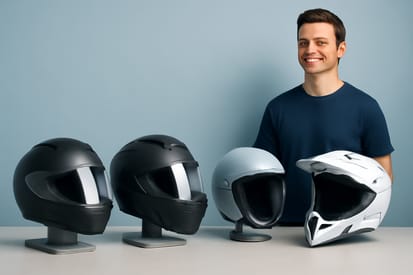
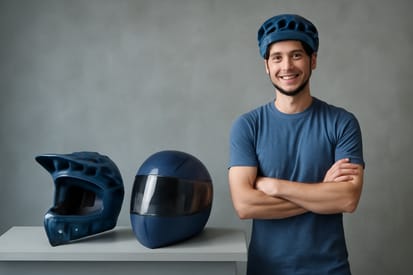
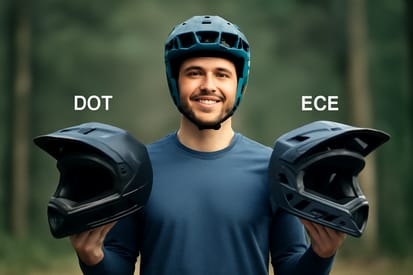
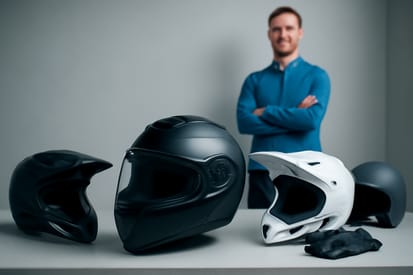
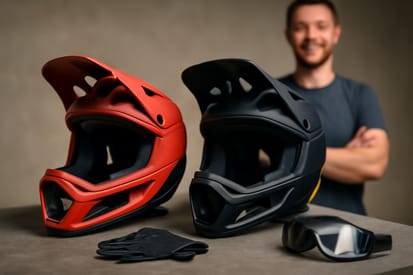
Why does choosing the right motorcycle helmet matter so much?
A motorcycle helmet is the single most important piece of protective gear most riders will buy. The right one can improve comfort, confidence, visibility, and day-to-day safety, while the wrong one can feel distracting, unstable, or simply uncomfortable enough that you stop trusting it. That is why choosing well matters from the start.
At the broadest level, helmet shopping comes down to a few essentials: intended use, protection level, fit, comfort, and overall value. Some riders need maximum coverage for high-speed road use. Others want lighter weight, more airflow, or a category-specific option built for technical off-road conditions. The best choice depends on where you ride, how long you ride, and what kind of protection trade-offs make sense for your routine.
This guide is designed to help you understand the full landscape before you narrow into specific helmet categories. If you want a category-level overview, types of Helmet breaks down the main options and explains how different designs suit different riding needs. That broader category view is especially useful for beginner riders who are still learning the differences between full-face, open-face, off-road, and specialty designs.
Non-brand shoppers often make the strongest decisions because they start with purpose rather than reputation. Off-road riders usually need very different features than road-focused riders. The more honestly you assess your real riding habits, the easier it becomes to find a helmet that protects well and feels right every time you put it on.
What are the main motorcycle helmet types to compare?
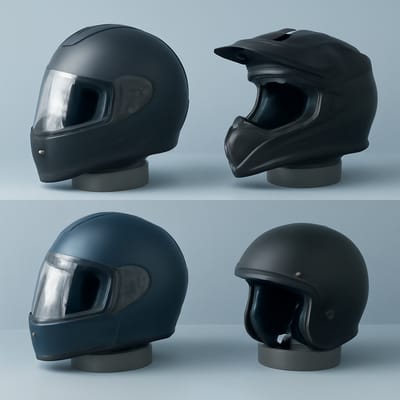
The biggest mistake in helmet buying is comparing every model together as if they solve the same problem. In reality, different helmet types are built around different priorities. A full-face road helmet, for instance, emphasizes complete coverage and wind management, while an off-road design may prioritize ventilation, peak visibility, and terrain-specific comfort.
Most riders will encounter these broad categories:
- Full-face helmets for all-around coverage and weather protection
- Open-face helmets for lighter feel and more airflow
- Modular helmets for flexible chin-bar access
- Off-road helmets for rough terrain and goggle use
- Dual-sport helmets for mixed on-road and off-road riding
- Specialty performance helmets shaped by specific use cases
Each category brings trade-offs. Full-face designs generally offer the most consistent all-round coverage. Open-face helmets feel less enclosed but provide less facial protection. Off-road and dual-sport helmets often suit riders who need more airflow and visibility in technical terrain.
That is why category education matters before model comparison. Riders moving between disciplines can easily misjudge what they need. A sport-oriented road rider may want quietness and high-speed stability, while an off-road rider may care more about ventilation and goggle compatibility. Beginner riders benefit from understanding the category first, then the features within it. For a broader breakdown of design differences, types of Helmet gives a practical starting point without overwhelming the decision.
Which safety features and standards deserve the most attention?

Helmet safety is about more than one badge or one technology name. A strong buying decision starts with confirmed safety standards, then moves into how the helmet is constructed and how well it fits your head. Certification tells you the helmet has met defined testing requirements. After that, design quality and fit determine how useful that protection feels in real riding.
Key features worth comparing include:
- Certified safety compliance for the intended use
- Shell material and construction quality
- Impact-absorbing liner design
- Retention system security
- Rotational impact features where available
- Face, chin, and coverage design based on category
For many shoppers, the challenge is sorting meaningful protection from marketing noise. A helmet can sound advanced on paper and still be the wrong choice if it does not suit your riding style or fit your head properly. That is especially true for riders exploring different categories such as road, off-road, and full-face options.
Beginner riders should keep the process simple: verify the standard, confirm the helmet is designed for the intended activity, and make sure it fits securely. Non-brand shoppers often do well here because they focus on measurable details rather than logo recognition. If you are comparing categories in more depth, topics like certification differences, full-face buying factors, and fit methods are worth exploring as you move deeper into the buying journey.
How do fit, comfort, and riding position shape the right choice?
A helmet that looks perfect online can still fail in real use if the fit is wrong. Helmet fit and sizing shape not only comfort, but also stability, noise control, and confidence on the road or trail. The best helmet should feel secure from the first ride and stay comfortable over time.
Start with head circumference, but do not rely on that number alone. Head shape varies, and one brand or model may suit you far better than another in the same size. The helmet should sit level, feel snug around the crown, and avoid painful pressure points at the forehead, temples, or back of the head.
Comfort depends on more than fit alone:
- Ventilation affects heat on longer rides.
- Weight influences neck fatigue.
- Lining materials affect moisture control and feel.
- Noise management matters for faster road use.
- Eye port and goggle compatibility matter for off-road riding.
Riding position also changes what feels right. Road-focused riders may care more about aerodynamics and quietness. Off-road riders usually benefit from better airflow and terrain-specific stability. Beginner riders should spend extra time checking for hot spots because discomfort often appears after several minutes, not immediately. Non-brand shoppers typically gain an advantage here by judging helmets on feel and function first.
If the fit is wrong, the feature list does not matter much. Secure, wearable comfort is what turns a helmet from a purchase into trusted equipment.
How should you buy a helmet based on use, budget, and long-term value?
Smart helmet buying is not just about price. It is about matching the helmet to your real use, then checking whether the build quality, comfort, and support justify the cost. Many riders overspend on features they do not need or underspend on comfort factors they will notice every single ride.
A practical buying framework looks like this:
| Buying factor | What to ask |
|---|---|
| Use case | Where and how do you ride most often? |
| Coverage | Do you need full-face, open-face, or mixed-use protection? |
| Comfort | Will you still want to wear it after an hour? |
| Features | Are the extras useful or just impressive on paper? |
| Support | Are pads, visors, and replacement parts available? |
| Value | Does the price reflect real daily benefits? |
This approach works across rider types. A beginner often gets better value from a well-fitting mid-range helmet than from a premium model with features they do not yet understand. Off-road riders may benefit from investing more in ventilation, secure retention, and category-specific design. Non-brand shoppers should continue comparing practical benefits first and reputation second.
As you narrow the field, category hubs, product reviews, comparison tools, and buying guides can help you move from broad research to a final shortlist. That extra step is often what separates a confident purchase from a rushed one.
Where should you go next to narrow your helmet options?
Once you understand the broad picture, the smartest next step is to move into the most relevant category rather than trying to compare every helmet on the market at once. Category-level guides help you sort by design, use case, and protection style before you start comparing individual products or prices.
A good place to continue is types of Helmet, which gives you a clearer view of how full-face, open-face, off-road, enduro, and other designs differ in real use. That is especially helpful if you are deciding between categories or if you need a more focused starting point before checking model-by-model recommendations.
From there, you may want to go deeper into topics such as full-face MTB helmet buying, top features for MTB full-face helmets, certification differences, fit and sizing, or helmet maintenance and longevity. Those subjects become much more useful once you know your likely category.
For riders close to purchase, comparison tools, product reviews, and retailer buying guides can make the shortlist easier to manage. They are also useful for filtering by budget, fit range, and intended use before you commit. The goal is not to find the most impressive helmet on paper. It is to find the one that fits your riding, your head, and your expectations well enough that you will trust it every time you ride.
FAQ
What type of motorcycle helmet is best for beginner riders?
The best type depends on how and where you ride. Beginner riders should usually start with the category that matches their most common use, then focus on fit, certified protection, and everyday comfort.
Are full-face helmets the safest option for most riders?
They are often the most protective in terms of overall coverage, especially around the chin and jaw. However, the right choice still depends on your riding style, comfort needs, and whether the helmet fits properly.
What should off-road riders prioritize in a helmet?
Off-road riders usually need strong ventilation, stable fit, effective eye port design, and compatibility with goggles. Terrain-specific comfort and secure retention matter just as much as raw coverage.
How should non-brand shoppers compare helmets fairly?
Start with certification, fit, comfort, intended use, and long-term value. That method usually leads to a better decision than comparing logos, popularity, or styling first.
Do expensive motorcycle helmets always offer better protection?
Not always. Higher prices may bring better materials, lower weight, improved comfort, and more refined features, but certification and correct fit remain more important than price alone.
How do I know if a helmet fits correctly?
It should sit level, feel snug around your head, and stay stable without painful pressure points. If it shifts easily or creates sharp discomfort quickly, it is likely the wrong size or shape.
When should a motorcycle helmet be replaced?
You should replace it after a significant impact, even if visible damage seems minor. Age, liner wear, shell damage, and declining fit are also good reasons to replace a helmet.
What is the best next step after reading this guide?
Move to the category that best matches your riding style so you can compare more relevant options. Category-level guides make it much easier to narrow your shortlist before looking at specific models.