MTB Helmet Certification: Essentials Guide 2026
Breadcrumb
What does MTB helmet certification actually tell you?
MTB helmet certification is the baseline proof that a helmet has passed specific impact and retention tests. It does not mean every certified helmet performs the same way, but it does tell you the helmet has met a defined minimum safety standard. For riders comparing full-face options, that matters because styling, ventilation, and price can distract from the one thing that comes first: protection.
For mountain bike riders, sport bike riders using off-road terrain, and anyone moving into more technical descents, certification helps you filter out weak options fast. A helmet may look sturdy, yet the real question is whether it has been tested to a recognised standard and whether that standard matches your riding conditions. That is especially important for beginner riders, who often assume all full-face helmets offer identical safety.
A good buying process starts with the certification label, then moves to fit, coverage, and practical features. If you want the broader decision framework, full-Face MTB Helmet Buying Guide explains how certification fits into the overall purchase. From there, you can judge whether a helmet delivers the right balance of impact protection, comfort, and trail usability.
In simple terms, certification answers, "Has this helmet been independently tested?" It does not answer, "Is this the best helmet for your head shape, riding style, or local terrain?" You still need to evaluate those factors before buying.
Which safety standards matter most for full-face MTB helmets?
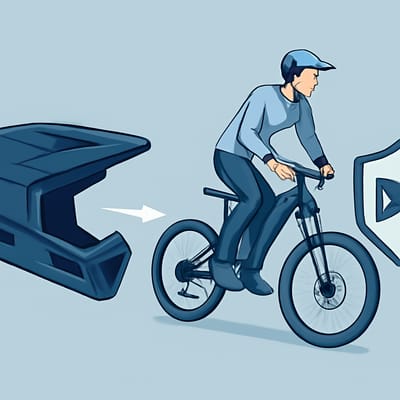
The most important standards depend on where and how you ride. In broad terms, riders usually encounter ECE, DOT, and bicycle-specific testing, but not all standards are equally relevant to mountain biking. A downhill-focused full-face helmet should be judged in context, not treated like a road motorcycle lid with a visor.
For many buyers, the confusing part is that some certifications sound more protective simply because they are more familiar. In reality, the best standard is the one designed for the helmet category and use case. Off-road riders tackling bike parks, steep descents, and rough technical sections should pay close attention to the helmet type, testing intent, and level of facial coverage rather than chasing labels alone.
A useful rule of thumb is this:
- Look for recognised certification from a reputable testing framework
- Match the standard to the riding discipline
- Check construction quality beyond the sticker
- Avoid assuming heavier means safer
If certification names are blurring together, dOT vs ECE Certification for Mountain Bike Helmets breaks down the differences clearly. That comparison helps you understand why some standards appear in search results even when they are not the main decision point for MTB use.
The safest purchase usually comes from combining the right certification with good fit, solid chin-bar coverage, dependable retention, and practical ventilation for long rides.
How do certification, MIPS, and helmet design work together?
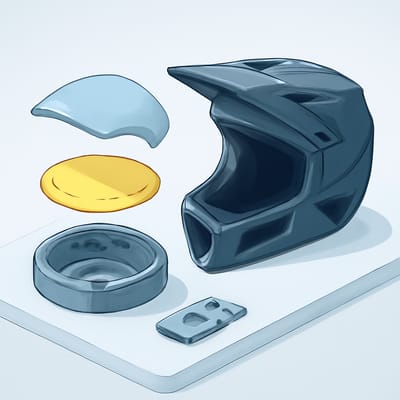
Certification is the starting line, not the finish line. A helmet can meet a safety standard and still differ significantly from another certified model in comfort, energy management, and trail performance. That is where features like MIPS, shell design, density tuning, and chin-bar structure become important.
MIPS is intended to help manage certain rotational forces during angled impacts. It is not a replacement for certification, and certification is not a replacement for thoughtful design. You want both. For riders choosing between similar-looking helmets, this is often the point where one model becomes a smarter long-term buy than another.
Design details that influence real-world confidence include:
- Coverage around the temples and jaw
- Secure retention systems that hold position on rough terrain
- Vent placement for sustained climbing and descending
- Weight balance that reduces neck fatigue
- Goggle compatibility and field of view
Those practical elements are covered in top Features for MTB Full-Face Helmets, which helps translate lab-style safety thinking into trail use. That matters for non-brand shoppers in particular, because once you stop focusing on logos, the real comparison becomes test credentials, construction, and functional design.
A smart buyer reads certification as proof of minimum safety, then uses technology and design to decide which certified helmet is truly better for their riding.
Why does fit matter as much as helmet certification?
A certified helmet can only protect you well if it stays in the right position during a crash. That is why helmet fit matters just as much as the label inside the shell. If the helmet shifts, lifts, or creates pressure points that tempt you to loosen it too much, your real-world protection drops.
This is a common issue for beginner riders, who often choose by appearance first and sizing second. It also affects experienced riders crossing between disciplines. A sport bike rider trying MTB gear may expect a snug, enclosed feel, while a trail rider may prioritise airflow and lighter weight. Both need a secure fit that keeps the cheek pads, crown, and chin area stable without causing numbness or hotspots.
Check these points before buying:
- The helmet should feel evenly snug, not painfully tight
- The chin bar should offer clearance without feeling distant
- Fasten the strap and shake your head gently; excessive movement is a warning sign
- Wear your usual goggles to confirm compatibility
- Keep the helmet on for several minutes to catch pressure build-up
For a practical fitting process, how to Fit MTB Full-Face Helmets: Sizing and Comfort walks through sizing and comfort in more detail. Certification may get a helmet onto your shortlist, but fit is what determines whether that protection works when you need it most.
How should you choose a certified MTB helmet for real riding?
The best way to choose a certified MTB helmet is to combine safety standards, fit, and riding priorities instead of shopping by badge alone. Start with a certified full-face model that matches your discipline, then narrow your options by ventilation, coverage, weight, and practical comfort.
A simple decision path looks like this:
- Identify your riding style: trail, enduro, downhill, or mixed use
- Confirm the helmet meets an appropriate recognised standard
- Compare protection features such as MIPS or similar rotational systems
- Test fit with your goggles and riding posture
- Balance budget against long-term comfort and durability
For riders buying online, product pages can be helpful, but they rarely replace careful fit checks and detailed review reading. This is where comparison tools, buying guides, and product reviews can save time. If your shortlist is getting longer instead of shorter, return to the fundamentals: proper certification, a secure fit, and features that support how you actually ride.
Once you buy, regular care helps preserve performance. Dirt, sweat, UV exposure, and hard knocks can all affect lifespan, so maintenance and Longevity of MTB Full-Face Helmets is worth reviewing before you commit to a premium option. A certified helmet is a serious purchase, and choosing well means thinking beyond the checkout page to years of safe use.
FAQ: MTB helmet certification essentials
What certification should an MTB full-face helmet have?
A recognised safety certification appropriate to the helmet category is the minimum requirement. For MTB use, the key is matching the standard to off-road riding rather than assuming any motorsport label is automatically better.
Is a DOT-certified helmet always better for mountain biking?
No. DOT is commonly associated with motorcycle helmets, and that does not automatically make it the best benchmark for mountain biking. The right choice depends on helmet type, weight, ventilation, and whether the design suits MTB impacts and riding conditions.
Do off-road riders need different certification considerations?
Yes. Off-road riders often deal with uneven terrain, lower-speed technical crashes, roost, and repeated movement over rough ground. That makes helmet coverage, retention, and trail-oriented design just as important as the certification mark itself.
How can a beginner rider tell if a certified helmet is good?
Start with the certification label, then check fit, chin-bar coverage, strap security, ventilation, and comfort with goggles. A good helmet should feel stable and wearable for a full session, not just impressive on a product page.
Should non-brand shoppers ignore premium labels and focus only on standards?
You should focus on standards first, but not only on standards. Non-brand shoppers often make better decisions by comparing certification, fit, comfort, weight, and practical features instead of relying on brand familiarity.
Does MIPS replace the need for certification?
No. MIPS is an added protection technology, not a substitute for certification. You should treat it as a useful extra layered on top of a properly certified helmet.
How often should you replace a certified MTB helmet?
Replace it after any significant crash, visible shell damage, or if the manufacturer recommends retirement due to age. Even without a major impact, wear, sweat, sun exposure, and storage conditions can affect long-term reliability.
Is fit more important than extra features?
In many cases, yes. A well-fitted certified helmet usually offers better real-world protection than a feature-rich helmet that moves around or creates discomfort. Extra features matter most after you have confirmed the helmet fits correctly.