MTB Helmet Goggle Compatibility: Visor Fit Guide 2026
Breadcrumb
Why goggle compatibility and visor fit matter on MTB helmets
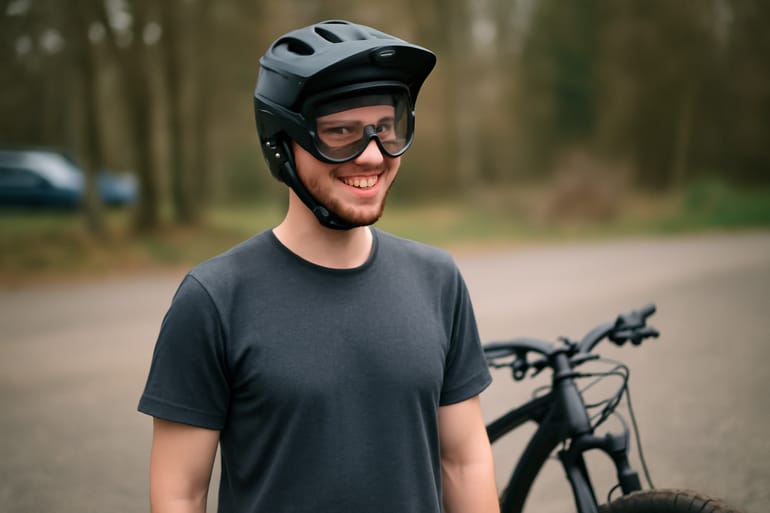
Goggle compatibility and visor fit for MTB helmets is one of those details you only notice when it goes wrong: the strap slides, the frame hits the brow, the visor blocks your view on steep roll-ins, or you get instant fog on a damp UK climb. Getting the helmet–goggle–visor relationship right improves comfort, vision, and confidence, especially when you’re switching between trail riding and faster e‑bike sessions.
For beginners, the goal is simple: a stable goggle that seals comfortably and doesn’t fight your helmet. For safety‑conscious riders, good compatibility also reduces distractions, so you keep your eyes up and your head positioned correctly in a crash-worthy posture. For UK shoppers comparing options, compatibility is a real differentiator between similarly priced helmets because not every shell shape, eye port, and visor mechanism plays nicely together.
Your starting point is helmet style. A full-face typically offers a defined eye port and visor designed for goggles, while many open-face lids rely on sunglass use and have less predictable strap seating. If you’re still deciding which style suits your riding, mTB E‑Bike Helmet Styles: Full‑Face vs Open‑Face for Downhill lays out the trade-offs that affect goggle pairing.
Below you’ll learn what “compatible” really means, how to check fit at home, and how to choose a setup that stays put in wet, gritty, stop-start UK conditions.
What makes a helmet and goggle setup truly compatible?
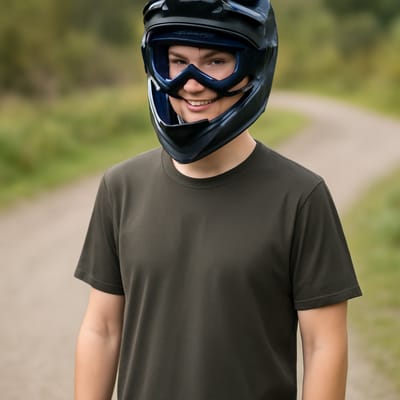
Compatibility is more than “it fits on my face.” You’re looking for three clearances and two anchor points.
The three clearances
- Brow clearance: The goggle frame shouldn’t press uncomfortably into your forehead once the helmet is tightened. Pressure here often means the helmet sits too low, the goggle is too tall, or the eye port is too shallow.
- Nose and cheek seal: You want an even seal without the goggle lifting when you talk or open your mouth. Full-face pads can change this, so test with your chin bar in place.
- Visor-to-frame gap: With the visor set for your riding angle, it should not touch the top edge of the goggle frame. Contact points cause squeaks, shift the goggle on impacts, and can funnel water into the foam.
The two anchor points
- Strap channel stability: The strap should sit in a natural “valley” around the helmet shell and not climb up toward the crown. If it migrates, you’ll be readjusting all ride.
- Rear retention support: Many MTB helmets have a rear dial/occipital cradle. If the strap crosses it awkwardly, the strap can ride up when you sweat or hit chatter.
If you’re also weighing helmets based on safety features, remember that comfort and vision support safe riding habits, but they don’t replace certification and impact tech. It helps to understand how standards and protection systems differ, which safety Standards Explained: CE EN 1078, ANSI, and UK Compliance and mIPS and Other Impact Protection Technologies Demystified break down in plain terms.
The practical takeaway: your “best” setup is the one that maintains a consistent seal and field of view when you’re sweaty, breathing hard, and repeatedly looking down-trail then back up.
How to check visor fit: angles, adjustment, and field of view

A visor should block glare and rain without cutting into your sightline. In the UK, where you can go from low winter sun to drizzle in the same ride, visor adjustability matters as much as goggle fit.
Do this quick fit test at home
- Put the helmet on and tighten it correctly. A loose helmet makes every visor/goggle issue seem worse.
- Set your riding posture. Hinge at the hips like you’re in attack position, then look 10–15 metres ahead.
- Adjust the visor so it’s “out of the way” first. Your default should be maximum vision; shade is secondary.
- Add goggles and repeat the posture check. If you have to tilt your head unnaturally to see, the visor is too low or too long.
Common visor problems (and what they mean)
- Visor blocks vision on steep descents: Often a visor that doesn’t adjust high enough, or a helmet that sits too far forward.
- Visor hits the goggle frame: Eye port is tight, goggles are tall, or the visor’s arc is too close to the shell.
- Visor wobbles or creeps down: Fastener tension is weak, or the visor design can’t handle vibration.
On full-face helmets, the eye port and visor are usually designed as a system, which can make compatibility more predictable. On open-face models, visor mounting can be more “universal,” so you may need to be pickier about goggle frame height.
If you’re unsure whether the helmet is positioned correctly to begin with, revisit your baseline fit. How to Choose a Helmet That Fits MT Biking & E‑Bike Sessions is the best place to reset your sizing, strap tension, and retention setup before you blame the goggles or visor.
Strap routing and stability: keeping goggles in place in wet UK rides
Even great goggles feel awful if the strap slides. Wet hair, a buff, a hooded waterproof, and repeated on/off stops (common on e‑bike rides) all make strap creep more likely.
Strap routing rules that prevent slipping
- Route the strap below the retention cradle when possible. If it crosses a dial mechanism, it can “ratchet” upward over time.
- Look for shell features that “trap” the strap. Some helmets have subtle strap grooves or textured panels. If your strap sits on a smooth, round crown, it will migrate.
- Tension the strap for stability, not compression. Over-tightening can lift the frame off your nose and break the seal, which increases fog.
Foam contact and face fit tips
- Even pressure beats tight pressure. If the goggle is tight at the temples but loose on the cheeks, the helmet may be pushing the frame shape.
- Check for helmet pad interference (full-face). Cheek pads can push the lower frame edge outward, creating gaps that suck in cold air and spray.
When to consider different goggle features
- Wider silicone strap grippers help on smooth shells.
- Outriggers (strap mounts) improve alignment with wide helmets.
- Tear-offs or roll-offs can be useful in gritty winter conditions, but make sure the visor clears the extra stack height.
For beginners, a simple win is to set up your strap once and mark the adjustment with a tiny dot (paint pen or tape) so you can reset it after cleaning. Safety‑conscious riders should prioritise stability over “maximum airflow” if that airflow comes from a broken face seal and constant readjustments.
Once your strap is stable, fog management becomes much easier because the foam seal stays consistent rather than pumping moist air in and out.
Buying checklist: choosing a helmet for goggles (and vice versa)
If you’re shopping in the UK and comparing helmet options and prices, use this checklist to avoid costly returns and mismatched setups. The goal is to narrow to models that work with goggles in your real riding conditions.
Helmet features that usually improve goggle compatibility
- Adjustable visor with a wide range (enough to clear goggles and your sightline)
- Defined goggle strap zone on the rear/side of the shell
- Eye port shape that matches your face (try on with goggles if possible)
- Stable retention system that doesn’t interfere with the strap
- Ventilation that supports anti-fog without blasting cold air straight into the foam
Goggle features that usually improve helmet compatibility
- Medium-height frame (less likely to hit the visor)
- Flexible chassis that conforms without pressure points
- Good lens/vent design for slow climbs and humid weather
- Spare lens availability so you can run clear/low-light options in winter
Price and value notes (no guesswork)
Budget setups often fail on visor adjustability and strap stability, not on the lens itself. Mid-range products tend to add better mechanisms, grippier straps, and more consistent foam. Premium options usually justify cost with smoother visor hardware, better fog resistance, and more refined face comfort over long rides.
If you’re trying to balance compatibility with safety tech and standards, decide your non-negotiables first (certification, impact system, fit), then use goggle/visor checks to pick the most livable option for daily riding. That approach keeps you from “over-buying” features that don’t solve your actual pain points.
FAQ: Goggle compatibility and visor fit for MTB helmets
Can I use any MTB goggles with any full-face MTB helmet?
Not reliably. Eye port shapes, brow depth, and visor arcs vary, so a goggle that fits one helmet can pinch your forehead or touch the visor on another. Always test with the helmet tightened to your normal riding tension.
How do I know if my visor is set too low?
If you have to tilt your head back to see down-trail in an attack position, the visor is too low for you. Lowering the helmet on your forehead can also cause this, so confirm the helmet position before blaming the visor.
I’m a beginner: is it better to start with an open-face helmet and sunglasses?
For most beginner trail riding, open-face plus glasses can be simpler and cooler, but it depends on terrain and speed. If you plan to ride rough descents or faster e‑bike sessions, a goggle-capable setup may feel more stable and protective.
Do safety certifications affect goggle fit or visor compatibility?
Certifications don’t guarantee compatibility, but they can influence helmet shape and coverage, which changes how goggles sit. Treat safety standards as a baseline requirement, then choose the helmet that fits your head and works with your eyewear.
Why do my goggles keep sliding up the back of my helmet in the rain?
The strap is usually sitting on a smooth, rounded section of shell or crossing the retention cradle in a way that encourages movement. Re-route the strap to a lower, more stable path and check for silicone grippers on the strap.
What’s the quickest way to compare helmets for goggle compatibility when shopping in the UK?
Bring your own goggles to the shop, or buy from a retailer with easy returns and test indoors on carpet. Check brow pressure, visor-to-frame clearance, and whether the strap stays put after you shake your head and simulate looking down then up.
Are expensive goggles worth it for foggy UK conditions?
Often, yes, because better lens coatings, venting, and foam construction can delay fog and clear it faster. Still, a stable seal and good visor position matter just as much as the lens, so upgrade based on the whole system.
Should I size up my helmet to fit goggles more easily?
No. A larger helmet can shift in a crash and create new pressure points that make goggle fit worse. Get the correct helmet size first, then choose goggles that match the helmet’s eye port and visor range.