Helmet Styles: Types, Uses, and Buying Guide 2026
Breadcrumb
Helmet styles explained: why the “type” matters as much as fit
Helmet styles aren’t just different looks. The style you choose changes coverage, comfort, and how well a helmet matches the risks of your riding. For UK MTB and e‑bike riders, that often means balancing long mixed rides (where ventilation and low fatigue matter) with faster downhill sections (where extra coverage can be a smart trade).
If you’re new to helmets beyond basic cycling lids, start with one idea: buy for your highest-consequence riding, not your easiest commute or gentle trail. Beginners usually benefit from a simple framework that turns confusing product pages into a short list. Safety‑conscious riders want to know what actually improves protection, beyond buzzwords. UK shoppers comparing options and prices want to avoid paying extra for the wrong upgrades.
This category hub gives you the big picture: the main helmet types, what they’re designed to do, what features tend to matter most in real use, and how to make a confident purchase decision.
You’ll also see references to upcoming deep dives on downhill choices, safety standards, fit, and goggle compatibility. Those topics deserve dedicated guides because small details, like strap geometry or visor clearance, can make a helmet feel “right” or completely unworkable.
What are the main helmet styles, and what are they for?

Most riders will encounter a handful of core helmet styles. The names can vary by retailer, but the functional differences are consistent.
Open‑face (trail) helmets
An open‑face helmet is the go-to for many UK trail riders. It prioritises ventilation, low weight, and easy all-day wear. Coverage is focused on the skull, without chin protection.
Full‑face helmets
A full‑face helmet adds a chin bar and more overall coverage. This style is commonly chosen for downhill, bike park days, and higher-speed, higher-consequence riding. It can feel warmer and heavier, but the trade is more protection where impacts often happen.
Convertible helmets
Convertible styles use a removable chin bar to offer two modes. They can work well for mixed rides where you climb a lot but want more coverage for the descents. The compromise is typically extra weight and more parts to manage.
Commuter/urban styles (where relevant)
Some helmets are designed primarily for city riding with different priorities, like visibility and convenience. They can be comfortable but may not suit aggressive off-road riding.
As a practical next step for downhill-specific choices, an upcoming guide will compare MTB E‑Bike Helmet Styles: Full‑Face vs Open‑Face for Downhill in more detail, including what changes when you ride an e‑MTB.
Style trade-offs that affect real safety: coverage, stability, and vision
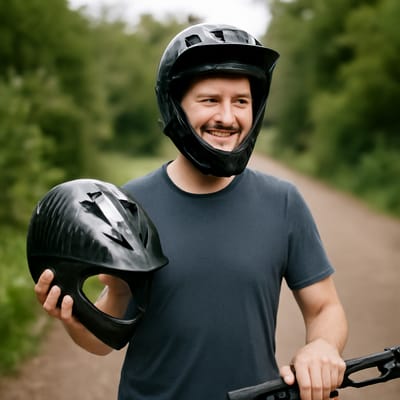
It’s tempting to treat helmet shopping like a checklist of features, but style trade-offs show up most clearly in three areas: coverage, stability, and vision.
Coverage: what’s protected, and what isn’t
Coverage isn’t only about chin bars. Some styles extend further down the back and sides of the head, which can matter in off-road crashes. If your riding includes steep or rocky terrain, coverage can be a meaningful differentiator.
Stability: staying put when you crash (or when you sweat)
A helmet that shifts under force can expose areas you thought were covered. Stability depends on shell shape, retention system quality, and correct strap adjustment. Beginners often “solve” discomfort by loosening straps, which reduces stability and can undermine protection.
Vision: goggles, glasses, and visor clearance
Your sightline affects your riding and reaction time. If you wear glasses, pressure at the temples can become a deal-breaker. If you ride with goggles, visor position and frame fit matter. A goggle/visor mismatch can force you to tilt your head differently, which can cause fatigue and reduce control on long descents.
Dedicated coverage on fit and eye protection is coming in How to Choose a Helmet That Fits MT Biking & E‑Bike Sessions and Goggle Compatibility and Visor Fit for MTB Helmets.
Safety standards and impact technologies: what to prioritise in the UK
For UK shoppers, safety language can be confusing because listings may mention certifications, “tested” claims, and impact technologies in the same breath. A clean way to think about it is:
- Standards/certifications: a baseline for impact performance under specific tests.
- Impact technologies: design approaches intended to manage certain impact types, often including rotational forces.
- Fit and correct wear: the multiplier that determines whether the helmet can perform as designed.
Safety‑conscious riders are right to start by checking for clear certification markings and documentation, but you still need to match the helmet to your riding style. A certified helmet worn too far back or too loose can perform far worse than a correctly fitted alternative.
Impact technologies are also worth understanding, but you don’t need to be an engineer to shop well. The best move is to verify the basics first (certification, coverage, fit), then choose technologies that make sense for your terrain and speed.
Upcoming articles will break this down in plain English, including Safety Standards Explained: CE EN 1078, ANSI, and UK Compliance and MIPS and Other Impact Protection Technologies Demystified.
If you’re comparing models online, prioritise retailers that provide detailed sizing guidance and clear return policies so you can confirm real fit at home.
Buying guide by riding scenario: a fast way to narrow your shortlist
To choose a helmet style quickly, start with where you ride and how hard you push. Then use comfort and budget as filters, not the other way around.
If your riding is mostly trail with occasional descents
An open‑face trail helmet is often the most comfortable choice, especially for long UK rides with lots of climbing. If you’re adding faster downhill segments on an e‑MTB, consider whether you want extra coverage for specific days.
If you ride bike parks, steep tech, or frequent jumps
A full‑face helmet style is commonly the safer, more confidence-inspiring option. It can feel like “more helmet than you need” until you have a crash where chin protection matters.
If you do mixed rides and want one helmet to cover more bases
A convertible style can be a sensible compromise, as long as it fits well in both modes and you’re willing to use it properly.
Budget and value (how not to overpay)
- Spend first on fit and stability.
- Spend next on ventilation and liner quality if you ride long sessions.
- Treat premium materials (like carbon fibre shells) as a bonus only after the basics are nailed.
UK shoppers comparing options and prices often do best by choosing 2–3 models, ordering sizes with good return terms, and doing a proper at-home fit check before committing.
Maintenance and lifespan: keeping your helmet protective over time
Even the right helmet style won’t stay effective forever. Sweat, UV exposure, repeated minor knocks, and normal wear can reduce comfort and, in some cases, performance.
Practical maintenance habits
- Clean pads and liners regularly, especially after wet rides.
- Let the helmet air dry naturally; avoid high heat.
- Check the retention system for slipping or broken parts.
- Inspect for cracks, dents, or compressed foam after any crash.
When to replace a helmet
Replace immediately after a significant impact, even if it looks fine externally. Also consider replacement if the fit system no longer holds the helmet stable or if the straps are frayed and won’t adjust securely.
For riders who do frequent downhill laps or ride year-round in the UK, comfort components (pads, liners, adjustment dials) can wear out faster than expected. Keeping a helmet comfortable is more than convenience; discomfort is a common reason people loosen straps or wear a helmet incorrectly.
A final reminder: the best helmet is one that fits you well, stays stable, and matches your most technical riding, not the one with the most impressive product-page claims.
FAQ: Helmet Styles
What’s the difference between a full‑face and open‑face helmet style?
A full‑face helmet includes a chin bar and more overall coverage, while an open‑face helmet covers the head without facial protection. Full‑face is more common for downhill and bike parks; open‑face is usually cooler and lighter for long trail rides.
Which helmet style is easiest for beginners to start with?
Many beginners start with an open‑face trail helmet because it’s comfortable and easy to wear for long rides. If you expect to ride steep downhill, jumps, or bike parks early on, a full‑face can be a confidence-friendly choice.
How can safety‑conscious riders compare helmet styles without getting lost in marketing?
Start by verifying certification markings and intended use, then compare coverage and stability on your head. After that, consider impact technologies and comfort features as secondary filters.
Do UK safety standards change which helmet style I should buy?
Standards help confirm a baseline of performance, but style determines coverage and comfort. You should choose a helmet style that matches your riding risk, then make sure the model is properly certified and fits correctly.
Is a convertible helmet style worth it for e‑MTB riding?
It can be worth it if you do mixed rides where you climb a lot but want extra coverage for descents. The key is ensuring it fits securely in both modes and isn’t so hot or heavy that you avoid using it properly.
How much should UK shoppers expect to pay for a good helmet?
Prices vary widely by style and features. Many riders find mid-range helmets offer the best value, while premium pricing usually pays for lower weight, refined ventilation, and higher-end materials.
How do I know when my helmet needs replacing?
Replace it after any significant impact, and consider replacement if the fit system won’t hold the helmet stable or the straps and pads are worn out. A helmet that’s uncomfortable often leads to incorrect wear, which reduces protection.