Types of Helmet: UK Safety, Fit and Buying Guide
Breadcrumb
What should UK riders know before choosing a helmet type?
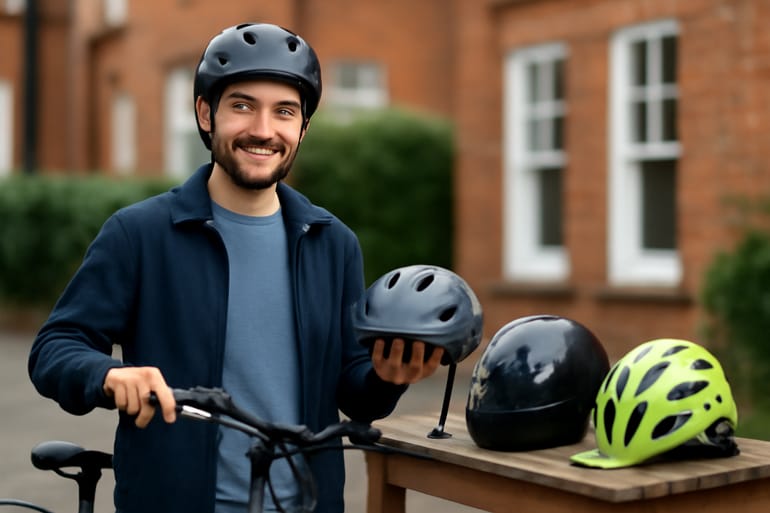
Types of helmet can look straightforward at first, but choosing the right one involves more than picking a shape you like. For riders in Great Britain, the decision usually comes down to how much protection you want, the speeds and roads you use, your comfort needs, and whether the helmet fits properly for regular wear. Weather also plays a major role. A helmet that feels comfortable on a dry afternoon may feel noisy, cold, or poorly ventilated once you use it through a full British riding season.
This page gives you a broad overview of the main helmet category, with practical guidance on styles, safety priorities, fit, materials, and buying value. It is designed for riders who want non-brand advice and a clearer path through the options. That includes e-bike riders sharing roads with faster traffic, beginner riders choosing their first serious helmet, and UK motorcycle helmet buyers comparing road-ready protection across several price levels.
A good buying process starts with the basics. First, match the helmet type to your riding conditions. Then check safety credentials, fit, weight, ventilation, and visor performance. Only after those essentials should you focus on extras such as premium materials or advanced impact-management features.
The aim here is not to push one style for everyone. It is to help you understand the trade-offs so your helmet choice feels practical, safe, and worth the money over the long term.
What are the main types of helmet for road riders?
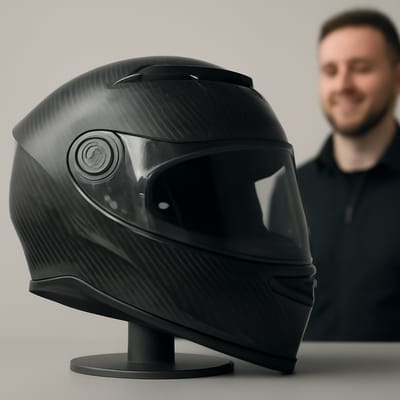
The most common road-focused motorcycle helmets fall into three broad categories: full-face, modular, and open-face. Each style serves a different kind of rider and solves a different set of problems.
Full-face
Full-face helmets offer the most complete coverage, including the chin and jaw area. They are often the safest all-round option for riders who spend time on faster roads, commute year-round, or want better protection from weather and debris.
Modular
Modular helmets combine a full-face structure with a lifting chin bar. They appeal to riders who want strong protection with more flexibility at stops, especially if they wear glasses or make frequent short journeys.
Open-face
Open-face helmets leave the face exposed. They can feel lighter and less enclosed, which some riders prefer in urban riding, but they provide less facial protection and usually less weather shielding.
As a category, helmet types are best understood as trade-offs rather than a ranking list. Full-face tends to lead on protection. Modular often leads on convenience. Open-face usually leads on openness and airflow, while giving up the most coverage.
That broad comparison is often enough to narrow your options. After that, the right choice depends on your route, your tolerance for wind and weight, and how much convenience matters compared with maximum coverage.
How do safety, fit, and certification shape the right choice?
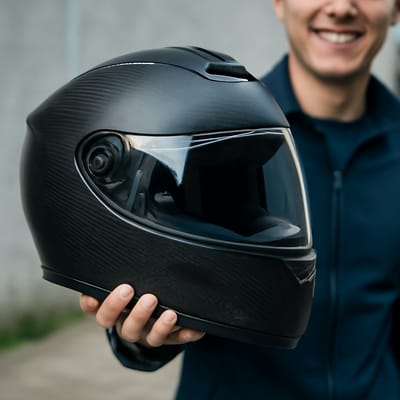
A helmet only works well when three things come together: safety, fit, and suitability for the way you ride. Many buyers focus first on shell style, but protection depends just as much on stable fit, secure fastening, and clear visibility.
Core priorities to compare
- Certified suitability for road use
- Snug, even fit without painful hotspots
- Reliable strap and fastening security
- Good visor clarity in mixed weather
- Coverage level that matches your riding style
For beginner riders, fit can be the hardest part because a secure helmet often feels tighter than expected at first. For daily commuters and e-bike riders, comfort also matters because small pressure points or poor airflow become frustrating when repeated every day.
Safety technology is another factor many riders now weigh carefully. Features such as MIPS and other impact-management systems can be useful, but they should come after the essentials. A well-fitted certified helmet with the right coverage is always a stronger choice than a feature-heavy helmet that does not sit properly.
Certification standards, rotational-impact technologies, and fit adjustments deserve deeper exploration on their own. They influence real-world performance more than styling details, and they often determine whether a helmet remains comfortable enough to wear correctly on every ride.
What role do materials, comfort, and price play?
Helmet materials influence weight, cost, long-ride comfort, and the overall feel of the helmet more than many buyers expect. Broadly speaking, more affordable helmets often use polycarbonate, while higher-priced options may use carbon fiber or other advanced composites.
What changes as price increases
- Lower overall weight
- Better liner materials and interior finish
- Improved ventilation tuning
- Quieter shells and better sealing
- More refined visor and vent mechanisms
That does not mean the most expensive option is automatically the best buy. For many UK motorcycle helmet buyers, the smartest spending order is simpler: choose the right helmet type first, make sure the fit is correct, confirm certification, and only then compare premium materials or advanced features.
Comfort also includes details that are easy to underestimate. A slightly lighter shell can reduce neck fatigue on longer rides. Better liner materials can help with moisture control during commuting. Improved visor systems matter in rain, cold air, and low sun, all of which are common conditions in Great Britain.
Material comparisons, especially full-face carbon fiber versus polycarbonate, are worth a closer look when you are balancing budget against comfort gains. For some riders, the upgrade is clearly worthwhile. For others, a well-made mid-range helmet offers stronger overall value.
How should UK riders buy, care for, and replace helmets?
Buying well is only part of the process. Helmet care and timely replacement matter just as much if you want a helmet to stay comfortable, hygienic, and reliable. A poorly maintained helmet can become noisy, unpleasant, and less practical long before it is truly worn out.
Smart ownership habits
- Clean the shell and visor with gentle products
- Dry the lining after wet or sweaty rides
- Store the helmet away from heat and direct sunlight
- Inspect straps, seals, and moving parts regularly
- Replace the helmet after a serious impact or heavy wear
This matters for every rider, but especially for e-bike riders and commuters who use the same helmet frequently through changing weather. It also matters for beginner riders, who often treat the purchase as the final step rather than the start of ownership.
If you are comparing options now, focus on the helmet that suits your hardest regular ride, not your easiest one. A short fair-weather journey can make almost any helmet seem acceptable. A cold, wet, windy commute is what reveals whether your choice was actually sensible.
As you explore the category further, topics such as helmet types for e-bike use, impact-management systems, fit adjustments, shell materials, and UK certification details all help refine the final decision. They are often where the difference between a decent purchase and a genuinely smart one becomes clear.
Which helmet type usually suits different riding needs?
No single helmet type is perfect for everyone, but most riders can narrow the choice quickly by looking at the conditions they face most often.
Full-face often suits riders who:
- Ride longer distances
- Commute year-round
- Prioritize the most complete coverage
- Want stronger wind and weather protection
Modular often suits riders who:
- Make frequent stops
- Wear glasses
- Want convenience without giving up too much coverage
- Mix town riding with regular road use
Open-face often suits riders who:
- Prefer a lighter, less enclosed feel
- Ride shorter, slower urban routes
- Accept reduced facial protection as part of the trade-off
This type of comparison is especially useful for UK motorcycle helmet buyers who feel stuck between comfort and protection. It also helps beginner riders avoid choosing only on looks. In many cases, full-face is the safest starting point, modular is the most versatile alternative, and open-face is the most specialised choice.
Future deep dives into e-bike-specific helmet comparisons, safety technologies, fit methods, material trade-offs, and UK certification standards can help you take this broad overview and turn it into a confident buying decision tailored to your riding habits.
FAQ: common questions about helmet types in the UK
What is the best helmet type for most UK riders?
For many riders in Great Britain, a full-face helmet is the best all-round option because it offers the most complete coverage and strong weather protection. It usually makes the most sense for mixed road riding and year-round use.
Are open-face helmets safe for everyday riding?
They can be suitable for certain low-speed urban situations, but they offer less facial protection than full-face or modular helmets. Many riders accept that trade-off for airflow and openness, though it is not the safest general-purpose choice.
Is a modular helmet a good option for e-bike riders?
Yes, especially for e-bike riders who make frequent stops or want easier day-to-day practicality. A modular helmet often provides a useful middle ground between coverage and convenience.
How should a first helmet feel for beginner riders?
A first helmet should feel snug and stable without sharp pain. Beginner riders often mistake a correct fit for a helmet that is too tight, so it helps to wear it for several minutes and check for even pressure.
What should UK motorcycle helmet buyers prioritize first?
Start with helmet type, certification, and fit. After that, compare visor quality, ventilation, weight, liner comfort, and overall value within your budget.
Do lighter helmet materials always make a helmet better?
Not always. Lighter materials can improve comfort on longer rides, but a heavier helmet with better fit and lower cost may still be the smarter purchase for your needs.
How often should a motorcycle helmet be replaced?
Replace it after a serious impact, visible damage, or wear that affects fit and function. Even without a crash, straps, liners, visors, and seals can degrade over time with regular use.
Are advanced safety features worth paying extra for?
They can be, but only after the basics are covered. Proper fit, certification, and the right level of coverage matter more than added technology if you are choosing between two helmets.