Motorcycle Helmet Types for E-Bikes: UK Guide 2025
Breadcrumb
Why do e-bike riders compare full-face, modular, and open-face helmets?
Motorcycle helmet types matter more for e-bike riders than many people expect. In Great Britain, faster electric bikes, longer commutes, mixed urban traffic, and exposed road conditions can make head protection feel less like an accessory and more like a daily decision. If you are choosing between a full-face, modular, or open-face helmet, the right answer depends on how and where you ride, how much protection you want, and how much comfort you need on every trip.
For many e-bike riders, the main pain point is balancing safety with practicality. A full-face helmet offers the most coverage, but it can feel heavier or warmer on short city rides. A modular helmet adds flexibility for riders who stop often, speak to others, or wear glasses. An open-face helmet feels airy and less restrictive, yet it leaves your chin and face more exposed in a crash.
That trade-off matters for beginner riders too. A helmet that looks good on paper may be uncomfortable after twenty minutes in traffic, and discomfort often leads to poor fit habits. For UK motorcycle helmet buyers, the decision also includes price, certification, visor quality, ventilation, and weather suitability.
This guide compares the three main styles in a practical way, with clear pros, drawbacks, safety considerations, and buying advice for riders in the UK who want non-brand, road-focused protection without unnecessary guesswork.
What makes a full-face helmet the safest option for many riders?
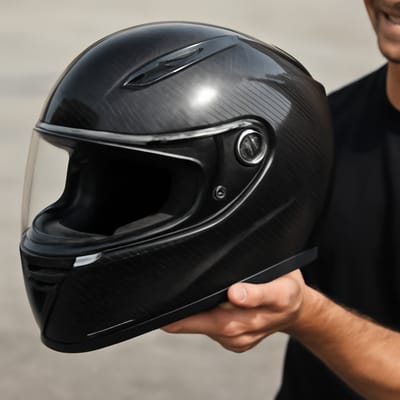
A full-face helmet surrounds the head more completely than the other two designs. It covers the chin, jaw, cheeks, and visor area in one fixed structure, which gives it a strong advantage in overall impact coverage. For riders using higher-powered e-bikes on roads, or anyone mixing commuting with faster stretches, that extra structure can be reassuring.
Key strengths
- Maximum coverage across the head and face
- Better resistance to wind, rain, and road debris
- Usually stronger noise control at speed
- More stable shell design with fewer moving parts
In practical use, full-face helmets suit riders who travel year-round in British weather. Cold morning commutes, wet roads, and headwinds are easier to manage when your helmet seals well around the visor and chin bar. Riders doing suburban or dual-use trips often appreciate that added shelter just as much as the safety benefits.
Possible drawbacks
- Can feel warmer in slow traffic
- Often slightly harder for glasses wearers to manage
- Less convenient for short stops, chats, or deliveries
Price also varies widely. Entry-level options can be good value, while premium models often improve ventilation, liner quality, and shell materials rather than basic protection alone. If your priority is the strongest all-round protection and weather control, full-face usually sets the benchmark. It is especially sensible for newer riders who want a simpler, more protective choice without constantly weighing comfort against exposure.
When is a modular helmet the smartest compromise?
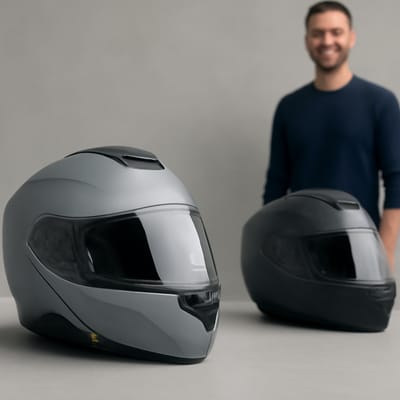
A modular helmet sits between full-face and open-face designs. It has a chin bar that lifts, giving you the enclosed feel of a full-face helmet when riding and more convenience when stopped. That makes it attractive for riders who commute, navigate town centres, or need to speak clearly at regular intervals.
Why riders choose modular designs
- Easier to put on and remove
- Helpful for glasses wearers
- More convenient at fuel stops or when asking directions
- Offers more coverage than an open-face helmet
For many UK motorcycle helmet buyers, the appeal is flexibility. A rider using an e-bike for mixed errands may want face protection on the road but less hassle when parking, locking up, or talking to colleagues. A modular helmet can make those routine moments feel much easier.
Still, the compromise is real. Because the helmet includes a hinge and latch system, it usually weighs more than a comparable full-face model. More moving parts can also affect long-term durability if build quality is poor. Some riders also notice slightly more wind noise.
Best fit for modular helmets
A modular style often works well for:
- Daily commuters
- Riders with glasses
- People doing frequent short stops
- Riders who want versatility without moving to open-face
If your riding pattern changes through the week, modular can be the most practical choice. It does not fully replace the locked-in feel of a dedicated full-face design, but for convenience and usable protection, it is often the strongest middle ground.
Are open-face helmets too exposed for e-bike road use?
An open-face helmet covers the top, sides, and back of your head but leaves the face and chin exposed. That gives it a lighter, airier feel that many riders enjoy, especially in slow urban traffic or warmer weather. The wide field of view can also feel less intimidating for people new to riding.
Why some riders like open-face helmets
- Lighter and less enclosed feel
- Strong airflow in stop-start traffic
- Wider sense of visibility
- Easier communication at low speed
That said, the biggest weakness is obvious: less protection around the lower face. In any comparison of full-face vs modular vs open-face, this is the point that matters most. If you crash, the exposed chin and jaw area do not benefit from the same structural coverage as a full-face or closed modular design.
For beginner riders, that can be a difficult balance. Open-face helmets often feel more approachable, but comfort should not be confused with protection level. Riders using road-legal e-bikes in busy towns may find that wind, rain, grit, and passing traffic make an open-face design less pleasant over time than expected.
Open-face can still suit certain low-speed, short-distance situations, particularly where visibility and airflow matter more than weather sealing. But for regular road riding in Great Britain, many riders eventually decide that the trade-off in facial protection is too significant. In most cases, it is the least protective of the three main options.
How should UK riders compare safety, comfort, and price?
The best helmet is rarely the one with the longest feature list. It is the one that fits properly, matches your riding conditions, and gives you confidence to wear it correctly every trip. For e-bike riders in the UK, the most useful comparison comes down to protection, comfort, weather performance, and value.
Quick comparison guide
| Helmet type | Protection | Convenience | Ventilation | Weather protection | Typical value |
|---|---|---|---|---|---|
| Full-face | Highest | Moderate | Moderate to good | Excellent | Strong for frequent road use |
| Modular | High | Highest | Good | Very good | Strong for mixed commuting |
| Open-face | Lower | High | Excellent | Limited | Best only for specific low-speed use |
What to check before buying
- Certification suitable for UK road use
- Secure fit with even pressure, not painful hotspots
- Clear visor performance in poor weather
- Manageable weight for your neck and ride length
- Vent placement that works at your typical speed
- Replaceable liners or parts for hygiene and longevity
Safety technology also matters. Systems such as MIPS and other impact-management designs may add value, but only after the basics are right: proper fit, reliable retention, and suitable shell coverage. Certification standards, sizing, and materials deserve deeper attention too, especially if you are deciding between carbon fiber and polycarbonate construction.
If you are shopping on a budget, prioritize fit and certified protection first. Better padding, quieter shells, and advanced features are useful upgrades, but they do not make up for the wrong helmet type or a poor fit.
Which helmet type is best for your riding style in Great Britain?
Choosing among motorcycle helmet types becomes easier once you map the helmet to your actual riding habits instead of an idealised version of them. British roads, frequent weather changes, and mixed commuting routes usually reward practicality.
Choose full-face if you:
- Ride longer distances on roads
- Commute in all seasons
- Want the highest level of coverage
- Prefer quieter, more weather-resistant protection
Choose modular if you:
- Make frequent stops during the day
- Need easier access for glasses or conversation
- Want strong protection with more daily flexibility
- Mix city trips with moderate road mileage
Choose open-face if you:
- Ride short, slower urban routes
- Strongly prefer airflow and a lighter feel
- Accept lower facial coverage as part of the trade-off
For many UK motorcycle helmet buyers, full-face is the safest default, while modular is the best convenience-led alternative. Open-face remains more niche for road-focused e-bike use because the exposure is harder to justify once speeds and traffic density increase.
A practical rule helps: buy for your hardest regular ride, not your easiest one. A ten-minute fair-weather trip may make any helmet feel acceptable, but your wet commute in traffic is what reveals whether the choice really works. If you are unsure, start by narrowing the decision through protection needs, then test fit, visor quality, and comfort before worrying about extras.
FAQ: common questions about helmet types for e-bike riders
Is a full-face helmet better for e-bike riders?
For many road-based e-bike riders, yes. A full-face helmet gives the most complete coverage, especially around the chin and jaw, while also improving protection from wind, rain, and debris.
Are modular helmets safe enough for UK commuting?
Yes, provided the helmet is properly certified for road use and fits you well. Modular helmets can be an excellent commuting choice because they combine strong coverage with everyday convenience.
Should beginner riders avoid open-face helmets?
Not always, but beginner riders should understand the trade-off clearly. Open-face helmets can feel less restrictive, yet they leave the face and chin exposed, which reduces overall protection compared with full-face or modular designs.
What type of helmet suits an e-bike rider in city traffic?
That depends on speed, traffic exposure, and how often you stop. Many urban e-bike riders prefer modular helmets for convenience, while others choose full-face for stronger protection in busy road conditions.
Do UK motorcycle helmet buyers need to focus on certification first?
Yes. Certification, fit, and secure fastening should come before extra features, premium materials, or styling. A well-fitted certified helmet is a better purchase than a poorly fitted model with more technology.
Is an open-face helmet cooler in summer?
Usually yes. Open-face helmets generally offer better airflow and feel less enclosed, but that cooling benefit comes with less facial coverage and weaker weather protection.
Does a more expensive helmet always mean better safety?
No. Higher prices often improve comfort, noise control, liner quality, weight, and features, but the most important factors remain certification, proper fit, and choosing the right helmet type for your riding.
Which helmet type is the best all-round option in Great Britain?
For most riders, full-face is the strongest all-round choice because it balances protection and weather resistance well. Modular is often the best alternative for commuters who want flexibility without dropping to an open-face design.