UK Motorcycle Helmet Buyer's Guide: Safety 2025

Breadcrumb
How do UK riders choose the right motorcycle helmet?
UK motorcycle helmet buyers face a crowded market, but the right choice usually comes down to a few essentials: the helmet type, how well it fits, the level of protection it offers, and whether it suits the way you actually ride. In Great Britain, that decision can feel more complicated because riders deal with changing weather, urban congestion, motorway speed, and a wide mix of motorcycles and e-bikes. A helmet that feels fine for a short summer trip may be frustrating on a cold, wet weekday commute.
This guide gives you a practical overview of motorcycle helmet types, safety considerations, sizing, materials, and buying priorities without relying on brand-led advice. If you are new to riding, the biggest mistake is choosing based on style first and fit second. If you already ride regularly, you may be weighing comfort upgrades, shell materials, or features such as visor systems and impact-management technology.
The key is to buy for your real-world use. An e-bike rider mixing road traffic and daily commuting may need a different balance of ventilation and coverage than someone doing longer weekend rides. A beginner rider may benefit from a simpler helmet that is easy to wear correctly every time. Throughout this guide, the goal is straightforward: help you narrow your options, avoid common buying errors, and choose head protection that works on British roads in all seasons.
What are the main motorcycle helmet types in the UK?
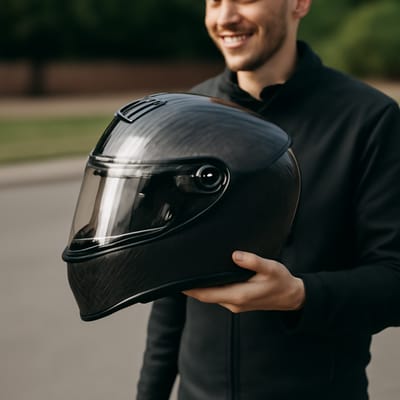
The three most common styles for road use are full-face, modular, and open-face helmets. Each offers a different balance of coverage, convenience, airflow, and day-to-day practicality.
Full-face helmets
A full-face helmet gives the most complete coverage, including the chin and jaw area. That makes it the safest default for many riders, especially if you ride at higher speeds, commute in poor weather, or want better protection from wind and debris.
Modular helmets
A modular helmet has a lifting chin bar. It appeals to riders who want stronger coverage than open-face designs but more flexibility when stopped. It can be particularly useful for commuting, glasses wearers, and riders making frequent short trips.
Open-face helmets
An open-face helmet leaves the face exposed. It can feel lighter and more open in traffic, but it gives less overall protection. Some riders prefer it for short urban trips, though many eventually decide the trade-off is too great for regular road use.
For a more specific comparison aimed at electric bike use, types of Motorcycle Helmets for E-Bike Riders: Full-face vs Modular vs Open-face breaks down where each style makes sense and where it falls short.
As a broad rule, full-face suits riders who prioritize protection, modular suits riders who value convenience, and open-face suits riders willing to accept lower facial coverage for a lighter feel.
Which safety features and standards matter most?
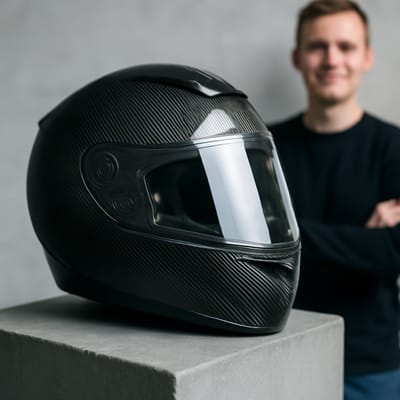
A helmet should never be judged by looks alone. The foundation of helmet safety is certification, proper coverage, secure fastening, and a fit that stays stable on your head. For UK riders, that means paying close attention to road-legal compliance, not just marketing language or premium finishes.
Safety priorities in the right order
- Certified road-use suitability
- Correct fit and retention
- Adequate shell coverage for your riding style
- Clear visor performance and visibility
- Useful secondary features such as impact-management systems
Technology can help, but it should not distract from the basics. Features such as MIPS and other rotational-impact approaches may add value, especially for riders who want the latest protective design thinking. At the same time, a poorly fitting helmet with advanced technology is still the wrong helmet.
This is especially important for beginner riders, who can be drawn toward flashy features instead of proven essentials. It also matters for UK motorcycle helmet buyers comparing price points, because higher cost often improves comfort, weight, and finishing before it meaningfully changes basic protection.
Certification standards, test labels, and how UK and European requirements interact deserve a closer look of their own. The same is true for newer safety technologies. Those topics are worth understanding in detail before you spend more for feature-driven upgrades.
How should a motorcycle helmet fit for comfort and protection?
A helmet fit guide always starts with one rule: snug is correct, painful is not. Your helmet should feel evenly secure around the head, with no obvious pressure spikes and no loose movement when you shake gently side to side. The cheek pads should make firm contact without making the helmet unbearable after a few minutes.
Signs of a good fit
- Firm, even pressure around the crown
- Minimal movement when the chin strap is fastened
- Cheek pads touch the face securely
- No painful hotspots after wearing it indoors
- Stable vision and no slipping over the brow
Poor fit is one of the most common reasons riders stop wearing a helmet properly. A model that feels too tight may be loosened incorrectly or avoided altogether. One that feels too loose can shift in wind, create noise, and reduce protection in a crash.
For e-bike riders doing short, frequent trips, comfort can seem less important, but small irritations become major annoyances when repeated daily. For longer-distance riders, weight balance, lining quality, and ventilation all influence whether a helmet remains comfortable after an hour on the road.
Sizing, head shape, retention adjustment, and UK-specific fit expectations are big topics in their own right. They are worth extra attention because even the safest helmet type performs badly if the fit is wrong. Whenever possible, try a helmet on for long enough to notice pressure points before making your final decision.
What should you know about materials, prices, and buying value?
Helmet shell material affects weight, feel, cost, and sometimes long-term comfort more than buyers expect. In simple terms, many riders compare polycarbonate and carbon fiber because they represent two very different value points. Polycarbonate helmets are usually more affordable and practical. Carbon fiber helmets often reduce weight and can feel more refined, but they also cost more.
What materials influence
- Overall helmet weight
- Price range
- Durability and finish quality
- Long-ride comfort
- Perceived premium feel
That does not mean expensive automatically means better for you. A well-fitting mid-range helmet can outperform a premium helmet that never feels comfortable enough to wear consistently. For many UK motorcycle helmet buyers, the smartest spend is on certified protection, proper fit, visor clarity, and usable ventilation before chasing ultra-light materials.
A practical buying order
- Choose the right helmet type
- Confirm certification and fit
- Compare visor, liner, and vent quality
- Check weight for your ride length
- Decide whether premium materials justify the extra cost
This is where shopping discipline matters. Many riders benefit from comparing helmets across budget, mid-range, and premium categories rather than assuming the top shelf is necessary. Material trade-offs, especially full-face carbon fiber versus polycarbonate, deserve separate attention because the best choice depends on your riding frequency, comfort priorities, and budget ceiling.
How do care, replacement, and buying decisions come together?
A good helmet purchase does not end at checkout. Motorcycle helmets need regular cleaning, dry storage, visor care, and periodic inspection if you want them to remain comfortable and reliable. Sweat-soaked liners, scratched visors, weakened straps, and neglected vents can make even a quality helmet unpleasant to use.
Good habits that extend helmet life
- Wipe the shell and visor with gentle products
- Let liners dry fully after wet rides
- Store the helmet away from heat and direct sunlight
- Check straps, seals, and moving parts regularly
- Replace the helmet after a serious impact or when wear becomes significant
For beginner riders, maintenance often gets overlooked because buying the helmet feels like the final step. In reality, care and replacement planning are part of the cost of ownership. For daily commuters and e-bike riders, this matters even more because frequent use accelerates liner wear and visor fatigue.
When you are ready to buy, keep the process simple. Shortlist the helmet type that matches your hardest regular ride, verify fit and certification, compare comfort features within your budget, and only then move to optional upgrades. If you are deciding between styles, safety technology, fit priorities, and material trade-offs, building that understanding before purchase will help you spend once and spend well.
As this topic area expands, deeper guides on safety technology, sizing, certification standards, and shell materials can help you refine the final choice with more confidence.
FAQ: common questions about buying motorcycle helmets
What is the best motorcycle helmet type for most UK riders?
For most riders in Great Britain, a full-face helmet is the strongest all-round choice. It offers the most complete coverage, handles poor weather well, and suits a wide range of road conditions.
Are modular helmets a good option for e-bike riders?
Yes, especially for e-bike riders who make frequent stops or want easier day-to-day use. A modular helmet can balance convenience and protection well, though it may be heavier than a comparable full-face model.
Should beginner riders start with a full-face helmet?
In many cases, yes. Beginner riders often benefit from the straightforward protection and weather control of a full-face helmet, provided the fit is correct and the helmet is comfortable enough for regular use.
How tight should a motorcycle helmet feel?
It should feel snug and secure with even pressure around your head. It should not wobble or slide, but it also should not create sharp pressure points or pain after several minutes of wear.
Do more expensive helmets always offer better safety?
Not necessarily. Higher prices often bring lighter materials, better ventilation, lower noise, and improved comfort, but certification, fit, and the right helmet type matter more than price alone.
What should UK motorcycle helmet buyers check before purchase?
Start with certification, fit, retention security, and the helmet type that matches your riding style. After that, compare visor clarity, ventilation, weight, liner quality, and overall value.
How often should a motorcycle helmet be replaced?
Replace a helmet after a serious impact, visible structural damage, or significant wear that affects fit or function. Even without a crash, liners, straps, and visors can deteriorate over time with regular use.
Is an open-face helmet suitable for everyday road riding?
It can be, but it offers less facial protection than full-face or modular designs. Many riders find it acceptable for certain low-speed urban trips, though it is usually not the safest all-round option.