MTB & E‑Bike Helmet Fit: How to Choose Yours (2026)
Breadcrumb
What does “good fit” mean for MTB & e‑bike helmets?
A good MTB and e‑bike helmet fit is snug, stable, and comfortable for the whole session, not just when you first put it on. For UK riders mixing trail loops with e‑bike climbs, the main pain point is movement: a helmet that shifts on rough ground, lifts at speed, or creates pressure points after 30 minutes.
Here’s the quick definition you can use in a shop or at home:
- Snug all around: even contact without “hot spots” on your forehead or temples.
- Stable when you shake your head: it shouldn’t roll forward into your eyes or slide backward.
- Level on your head: the front rim typically sits low enough to protect your forehead without blocking vision.
- Straps form a clean “V” under each ear: no twisting, no slack.
- Chin strap holds firm: you can fit 1–2 fingers under it, but it shouldn’t loosen when you talk or ride.
If you’re a beginner, aim for a fit that feels secure immediately. If you’re safety‑conscious and comparing features, remember that protection tech only helps when the helmet stays correctly positioned. Style also changes how fit feels. If you’re torn between coverage levels for downhill or bike‑park use, mTB E‑Bike Helmet Styles: Full‑Face vs Open‑Face for Downhill helps you match fit expectations to the style you’ll actually wear.
A final UK buying reality: sizing labels vary by manufacturer, so your best “fit hack” is learning a repeatable measurement and a repeatable set of checks.
How do you measure your head and choose the right size?

Start with a tape measure. The goal is a reliable head circumference number you can compare to each brand’s size chart.
Step-by-step measuring (2 minutes)
- Wrap a soft tape around your head about 2 cm above your eyebrows.
- Keep it level around the widest part at the back of your skull.
- Take three measurements and use the largest one (hair and slight tape angle changes matter).
Then translate that number into a helmet size
- Use the manufacturer’s chart first. A “Medium” can mean different centimetres across models.
- If you’re between sizes, decide based on head shape and intended use:
- For long climbs and all‑day trail riding, you may prefer the size that avoids pressure points, as long as retention can snug it down.
- For faster e‑bike sessions and rough descents, prioritise stability. A slightly tighter shell (without pain) usually stays planted better.
Watch for head shape mismatch
If you feel tightness at the forehead but looseness at the sides (or the reverse), you may be in the right circumference but the wrong internal shape. Don’t “force” it by over‑tightening the dial; that often creates numbness and headaches.
Safety‑conscious riders should also sanity‑check that the helmet’s certification matches their use and market. For UK shopping, safety Standards Explained: CE EN 1078, ANSI, and UK Compliance clarifies what to look for on labels and product pages.
UK shoppers comparing prices: beware of deep discounts on old stock. Fit pads compress over time, and a “bargain” that’s already worn-in can start unstable—especially noticeable on e‑bike speeds.
What fit checks should you do before you ride (or buy)?
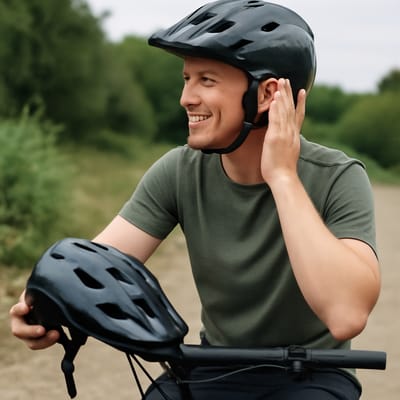
A quick try-on isn’t enough. Do a few repeatable checks that simulate real riding, including rough trail chatter and looking down on steep sections.
The 60-second fit check
- Roll test: With the chin strap fastened, push the helmet up and back. It should resist rolling off your forehead.
- Shake test: Look left-right and up-down briskly. The helmet shouldn’t shift independently of your head.
- Pressure scan: Wear it for 5–10 minutes. Any sharp pressure points now will feel worse after a longer ride.
- Strap geometry: Adjust so the straps lie flat and meet in a tidy V under your ears.
- Chin strap tension: You should be able to open your mouth, but the helmet shouldn’t lift when you do.
Don’t let features hide a poor fit
It’s common to focus on safety tech, but even the best system can’t help if the helmet is sitting too high, too far back, or wobbling. If you’re comparing models with slip-plane systems, mIPS and Other Impact Protection Technologies Demystified explains what those liners do and what they don’t do.
Full-face vs open-face fit feel
Full-face helmets often feel “secure” because of the chin bar, but the key is still the upper shell stability. Open-face helmets can feel lighter and airier, which is great for long UK climbs, but you must be stricter about roll and shake tests.
Beginner tip: if you’re unsure what “snug” should feel like, try one size down briefly. If it causes pain or leaves red marks quickly, go back up. You’re aiming for firm contact, not discomfort.
How do you balance comfort: ventilation, weight, pads, and eyewear?
Fit isn’t just circumference. Comfort determines whether you actually keep the helmet on for the whole ride, especially on e‑bike sessions where speeds and exposure can increase.
Ventilation vs stability
More vents can mean less foam contact. That’s not automatically bad, but you may need a better retention system or slightly different pad thickness to keep the helmet stable. In wet UK conditions, airflow is still important because sweat + rain can make straps and pads slippery.
Weight and neck fatigue
A heavier helmet can still fit well, but you’ll notice it on long climbs or repeated descents. If you’re doing bike‑park laps, stability may matter more than grams. If you’re commuting on an e‑MTB and adding trail rides, you may prefer a lighter open-face that you’ll wear consistently.
Pads and liners
- Thicker pads can improve fit for slightly smaller heads but can also trap heat.
- Spare pad sets are useful when you’re between sizes.
- Pads that are easy to remove make washing realistic, which keeps fit consistent (grime stiffens fabrics).
Eyewear and goggle interaction
Even with a perfect shell size, eyewear can ruin comfort if it pushes the helmet up or creates temple pressure. This matters most for riders using goggles with a full-face helmet, but sunglasses arms can cause hot spots too. A deeper dive on compatibility is worth it for frequent park days, and “Goggle Compatibility and Visor Fit for MTB Helmets” is a topic to explore before you commit to a setup.
For UK shoppers comparing options and prices, prioritise comfort features that keep fit stable over time: good strap hardware, replaceable pads, and a retention dial that tightens evenly rather than pinching.
Which helmet type should you choose for MTB & e‑bike sessions?
Once you know your size and can pass the fit checks, choose the helmet type that matches your riding mix. This is where buying decisions get real, because the “best” helmet is the one you’ll wear every time.
A practical decision guide
- Choose an open-face if most rides are trail loops, mixed terrain, or e‑bike climbs where you want maximum ventilation and low weight.
- Choose a full-face if you regularly ride steep downhill, bike‑park tracks, or you want additional face/jaw coverage for higher-consequence terrain.
Quick comparison (fit-relevant differences)
| Feature | Open-face | Full-face |
|---|---|---|
| Heat management | Usually better | Usually warmer |
| Perceived stability | Depends on retention | Often feels more “locked in” |
| Talking/drinking breaks | Easier | More fiddly |
| Eyewear setup | Sunglasses-friendly | Goggles often preferred |
If you’re deciding specifically for downhill use, mTB E‑Bike Helmet Styles: Full‑Face vs Open‑Face for Downhill will help you weigh coverage and comfort for your terrain.
UK buying considerations (price + value)
Set a budget, then spend within it on the helmet that fits best. Paying extra for premium materials doesn’t help if the helmet is unstable or uncomfortable. For safety‑conscious riders, confirm the certification markings and intended cycling use before purchase. For bargain hunters, check return policies so you can do a real 10‑minute wear test at home.
If you want a simple rule: buy the helmet that passes the roll/shake tests, feels comfortable after 10 minutes, and matches the riding you’ll do most often over the next 12 months.
FAQ: Helmet fit for MTB & e‑bike riders
How tight should an MTB helmet feel?
It should feel snug with even pressure and no sharp pain. When the strap is fastened, the helmet shouldn’t slide when you shake your head. If you get headaches or numbness, the shape or size is wrong.
How do I know if I’m between helmet sizes?
If one size feels loose even with the retention dial tightened, and the next size down causes pressure points within a few minutes, you’re likely between sizes. Try different pad thicknesses if available, or switch to a model with a different internal shape.
What should beginners focus on when choosing a helmet that fits?
Beginners should prioritise stability and comfort over extra features. Do the roll test and shake test, then wear the helmet for 10 minutes to spot pressure points early. A helmet you’ll wear every ride is safer than a “better” one you avoid.
Which certifications should safety‑conscious UK riders look for?
For UK cycling use, look for relevant markings such as CE EN 1078 on the helmet and in the product description. Also confirm the helmet is intended for cycling/MTB rather than a different sport category. If in doubt, cross-check labels against UK retailer guidance.
Should I buy a full-face or open-face helmet for e‑MTB?
Choose open-face for most trail and climb-heavy rides where ventilation and low weight matter. Choose full-face for frequent downhill, bike-park riding, or higher-consequence terrain where extra coverage is valuable. Fit checks matter equally for both styles.
Does MIPS change how a helmet should fit?
No, the helmet should still fit snugly and sit level, with the retention system keeping it stable. You may feel a slight movement of the liner during handling, but the shell shouldn’t wobble on your head. Always prioritise correct size and shape first.
How can UK shoppers compare helmet options and prices without making a bad fit choice?
Use your head measurement in centimetres and compare it to each model’s size chart, not just S/M/L labels. Buy from sellers with a clear returns policy so you can do a proper wear test at home. Avoid heavily discounted helmets that look worn or have compressed padding.
When should I replace my MTB or e‑bike helmet?
Replace it after any significant impact, even if you can’t see damage. Also replace it if the fit becomes unstable due to compressed pads, damaged straps, or a worn retention system. If you ride often, regular wear can justify replacement sooner than the maximum lifespan on the box.