Winter Motorcycle Base Layers: Expert Fabric Guide 2025
Why do base layers matter on cold rides?
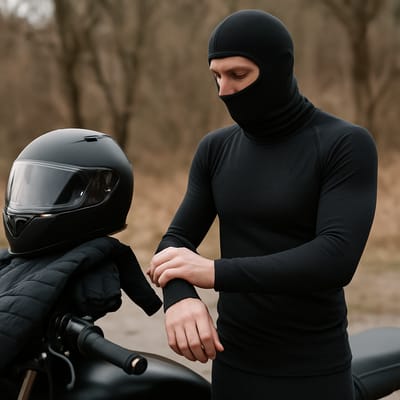
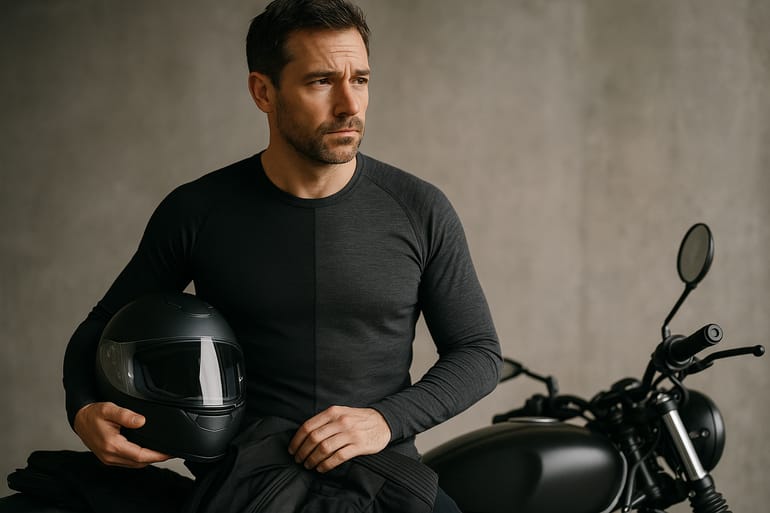
Choosing the right base layer fabrics for winter motorcycle riding makes the difference between shivering and staying focused. A base layer sits next to your skin and manages heat and moisture so your mid‑layer and outer shell can do their jobs. Get this first layer wrong and even the warmest jacket will feel clammy and cold.
What a good base layer does
- Wicks sweat: Moves moisture away from skin to keep you dry during stops and starts.
- Regulates temperature: Traps warm air without adding bulky thickness under your gear.
- Reduces friction: Smooth, flatlock seams prevent hot spots under armor straps.
- Dries quickly: Keeps you comfortable during long, variable‑pace rides.
Fit and comfort
Aim for a close, second‑skin fit—snug but not tight. Too loose and sweat lingers; too tight and you’ll restrict movement. Under a helmet, prioritize low‑bulk fabrics and seamless panels around the ears and forehead. For winter motorcycle riding, match fabric weight to conditions: lightweight for high exertion, midweight when it’s consistently cold, and add a neck gaiter when windbite becomes the main issue. Dialing in your base layers lets you ride longer, stay warmer, and avoid fog‑inducing sweat spikes when traffic or terrain suddenly changes.
Merino wool or synthetics: which works best?
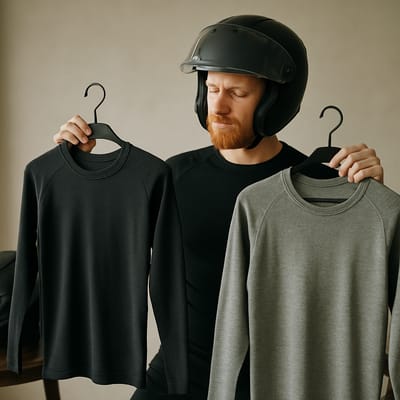
Both merino wool and synthetic polyester blends excel as winter base layers, but they shine in different scenarios.
Quick comparison
- Merino wool: Excellent odor control, broad comfort range, insulates when damp. Typical weights: 150–200 gsm (active), 200–260 gsm (colder days).
- Synthetics (polyester/nylon): Fastest drying, durable, often cheaper, strong moisture wicking. Common weights: light (120–170 gsm), mid (170–220 gsm).
- Blends: Merino + nylon/elastane adds durability and stretch; polyester + spandex improves fit and recovery.
When to choose each
Pick merino for multi‑day tours or riders sensitive to odors and temperature swings. Choose synthetics for intense commutes, wet conditions, or if you run hot and need rapid dry‑times. Blends are a smart “best of both” for mixed weather.
Texture and construction
Look for flatlock stitching, gusseted underarms, and a smooth or grid‑fleece interior that traps air without thickness. Avoid heavy cotton—it holds water and chills you. For under‑helmet comfort, thin merino or slick synthetics reduce pressure points around the brow and ears. If you can, test both on a short ride: pick the one that stays dry, doesn’t itch, and keeps you comfortably warm once wind chill kicks in.
Under-helmet comfort: what should you wear?
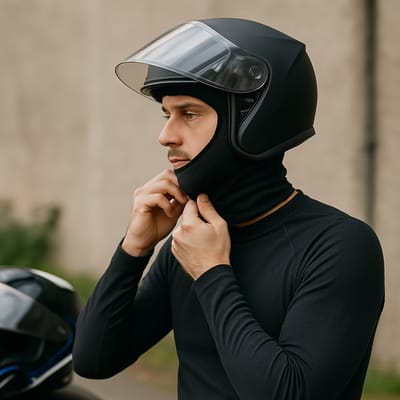
Your head loses heat quickly, but bulk under a helmet can compromise fit. Aim for low‑profile solutions that manage sweat without creating pressure.
Smart options
- Thin balaclava (merino or synthetic): Full coverage for scalp, cheeks, and neck; choose seamless or minimal seams.
- Skull cap or liner: Eases donning, controls sweat on mild days; ideal if your helmet is already a snug fit.
- Neck gaiter: Blocks wind at the collar and seals drafts without thick layering under the crown.
Fit and safety
- Keep materials thin around the forehead and ears; avoid thick beanies.
- Ensure the helmet still seats fully with even cheek pad contact.
- Manage moisture to reduce visor fogging: pair a wicking liner with proper vent use.
Care tips
Wash liners regularly (gentle cycle, mild detergent). Air‑dry to preserve elasticity. If you rotate two liners, you’ll always start dry. For riders with glasses, choose slick, low‑friction fabrics that won’t tug frames when putting the helmet on. The goal is simple: stay warm, keep sweat off your skin, and maintain your helmet’s intended fit and protection.
What layering strategy actually works in winter?
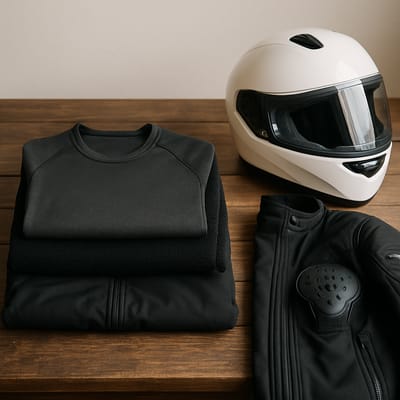
Think of your system as layers that manage moisture first, then insulation, then wind.
Step-by-step setup
- Base layer: Snug, wicking top and bottom matched to effort and temps (light–midweight). Avoid cotton.
- Mid‑layer: Thin fleece or insulated vest adds warmth without bulk at the arms. Prioritize breathability over pure loft.
- Shell: Windproof and water‑resistant outer gear seals the microclimate; open vents during climbs or spirited sections.
- Neck management: Use a wind‑blocking gaiter to stop cold air at the collar—a frequent heat leak.
- Hands and feet: Apply the same logic—thin wicking liners, then insulating layers, then a protective shell.
Pro tips
- Start slightly cool; you’ll warm up in minutes and avoid sweat dumps.
- Vent early at traffic lights or after climbs; close vents before high‑speed stretches.
- If you’re damp post‑stop, swap to a dry liner fast—dry skin equals warm skin.
This strategy keeps sweat moving outward while trapping warm air, so you stay comfortable through stops, wind blasts, and changing winter conditions.
What should you look for—and how do you care for it?
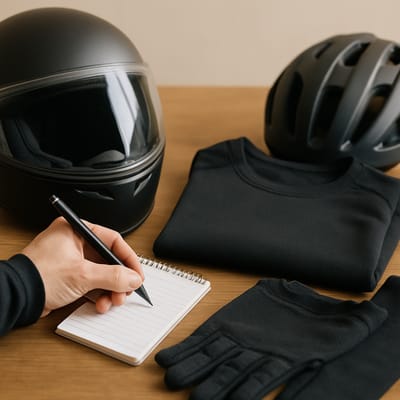
Dial in purchases with a simple checklist, then maintain them so they perform all season.
Buying checklist
- Fabric: Merino (150–200 gsm active; 200–260 gsm colder) or quick‑dry synthetics (120–220 gsm).
- Construction: Flatlock seams, raglan sleeves, long drop‑tail hem to prevent drafts.
- Fit: Close, stretch‑friendly; no bunching under armor or at the elbows.
- Under‑helmet use: Thin, seamless brow; smooth knit that won’t create hot spots.
- Extras: Thumb loops, zip neck for venting, odor‑control treatments.
Care and longevity
- Wash cool with mild detergent; avoid fabric softeners (they reduce wicking).
- Air‑dry or low heat; high heat can shrink merino and damage elastane.
- Turn garments inside out to protect knit faces and speed drying.
- Retire pieces that have lost stretch or feel clammy—they’re no longer wicking effectively.
With the right base layer fabrics and simple care, you’ll extend comfort, reduce mid‑ride chills, and keep your winter setup performing at its peak.