MIPS Technology: Complete Brain Protection Guide 2025
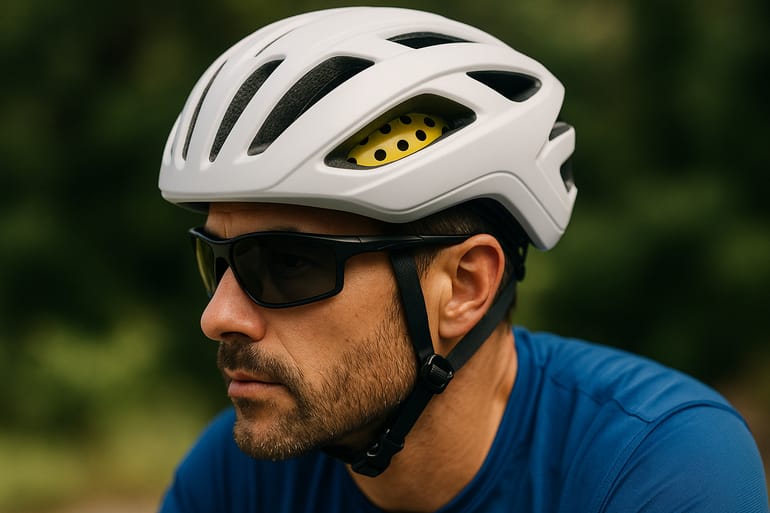
What is MIPS and why does it matter?
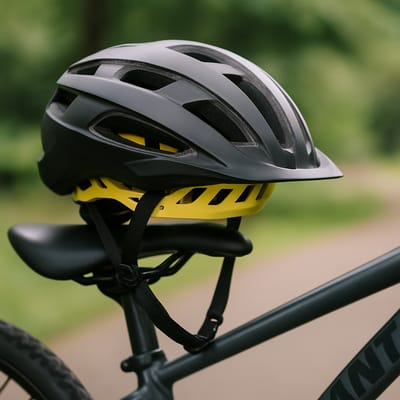
MIPS technology is a brain protection system designed to address rotational motion during a crash. Traditional helmets focus on linear impacts, but many real-world crashes involve oblique angles that create rotational forces. This is where MIPS technology adds a low‑friction layer that allows a small, controlled movement between your head and the helmet’s inner liner. That motion helps redirect rotational energy and can reduce the strain transmitted to the brain. You’ll see MIPS in both motorcycle and cycling helmets, working alongside the primary EPS foam that absorbs straight‑on impacts.
Key idea in plain terms
- The head can rotate inside the helmet a few millimeters under angled impact.
- This slip helps lower the rotational acceleration hitting brain tissue.
- The result complements, not replaces, the helmet’s core impact protection.
What you’ll gain
By understanding how the MIPS Brain Protection System works, you can better judge when it’s worth choosing a MIPS-equipped helmet over a non‑MIPS option. We’ll also clarify how MIPS relates to safety standards like ECE, DOT, and EN 1078, and what to look for when you’re comparing models, sizing, and fit.
How MIPS works inside modern helmets
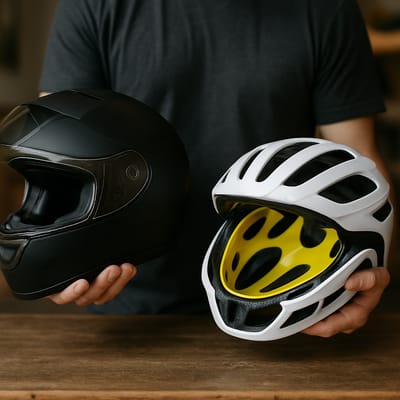
At the core of the MIPS Brain Protection System is a low‑friction layer placed between the comfort liner and your head. During an angled impact, that layer can move a small distance relative to the skull—typically for a brief moment—to redirect rotational energy before it reaches the brain.
The mechanism
- Impact occurs at an angle (common in slides and glancing blows).
- The helmet shell and EPS foam begin absorbing linear energy.
- The MIPS layer allows slight slip so the head doesn’t rotate as abruptly.
- This reduces rotational acceleration, a key factor linked to certain brain injuries.
Why it complements EPS
EPS is excellent for managing straight‑line forces. MIPS technology adds targeted help for oblique hits, filling a known gap in real‑world crash dynamics. Think of it as a secondary motion system that works with, not instead of, your helmet’s main structure.
Important note
MIPS is a technology, not a certification. It can be found across price points and helmet categories, from street and touring to urban and off‑road styles, offering an extra layer of helmet safety focused on rotation.
MIPS vs non‑MIPS: Which is right for your rides?
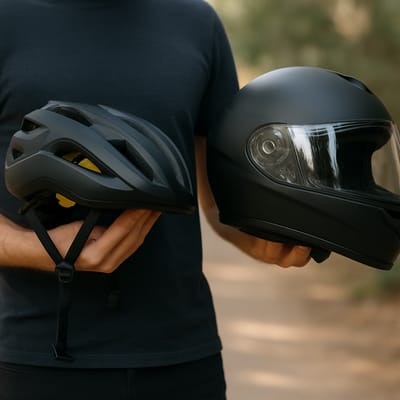
Choosing between a MIPS-equipped helmet and a non‑MIPS model comes down to your risk profile, riding style, and budget. MIPS technology aims to reduce rotational forces in oblique impacts, which are common in everyday crashes. Non‑MIPS helmets can still be safe when they meet relevant certifications, but they typically lack this targeted rotational layer.
Who benefits most
- Daily commuters and city riders who face unpredictable hazards.
- Weekend tourers and riders who cover mixed conditions.
- Riders prioritizing the latest helmet safety innovations.
Potential trade‑offs
- Slight weight and cost increases versus non‑MIPS designs.
- Fit can feel a touch different; careful sizing matters.
Practical takeaway
If you can comfortably fit and afford it, MIPS technology is a meaningful upgrade for many riders. If you choose non‑MIPS, ensure the helmet fits perfectly and carries the right certifications. Either way, prioritize a snug, stable fit and clear field of vision—those basics deliver big safety gains regardless of tech.
MIPS and certifications: ECE, DOT, and EN 1078
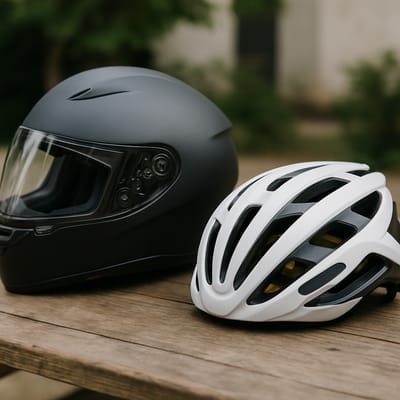
MIPS technology does not replace safety certifications. It works alongside standards that verify baseline impact performance. For motorcycles, look for ECE 22.06 (Europe) and DOT FMVSS 218 (US). For cycling, EN 1078 is the common European standard.
What each standard covers
- ECE 22.06: Updated impact testing at multiple speeds and angles, plus accessory testing.
- DOT FMVSS 218: US minimum performance requirements and labeling rules.
- EN 1078: Bicycle/inline skate helmets; checks impact attenuation and retention.
How to verify quickly
- Check the certification label inside the helmet.
- Confirm size, production info, and standard marking.
- Ensure the helmet is genuine and correctly fitted to your head.
Bottom line
Use certifications for the baseline and MIPS technology for added rotational protection. A certified, well‑fitting helmet with MIPS offers a strong blend of proven impact control and modern brain‑protection science.
Buying tips: Fit, comfort, and smart setup

Great protection starts with great fit. A MIPS-equipped helmet only works as intended if it sits correctly on your head. Prioritize these steps when evaluating MIPS technology options.
Fit checklist
- Measure head circumference and compare to the maker’s size chart.
- Try the helmet on for 5–10 minutes; watch for hot spots or pressure.
- Check that the crown contacts evenly and doesn’t rock side to side.
- Perform a gentle roll‑off test with the strap secured.
Comfort and usability
- Ensure the MIPS Brain Protection System moves freely without snagging.
- Verify ventilation, visor clarity, and field of view suit your rides.
- Confirm eyewear and comms compatibility if you use them.
Care and replacement
- Replace any helmet after a significant impact.
- Store away from heat and solvents; clean with mild soap.
- Inspect straps, liner, and shell regularly for wear.
When the fundamentals—fit, certification, and comfort—line up, choosing MIPS adds targeted help against rotational impacts, rounding out a confident helmet safety setup.