Winter Riding Helmets: Expert Buying Guide for 2026
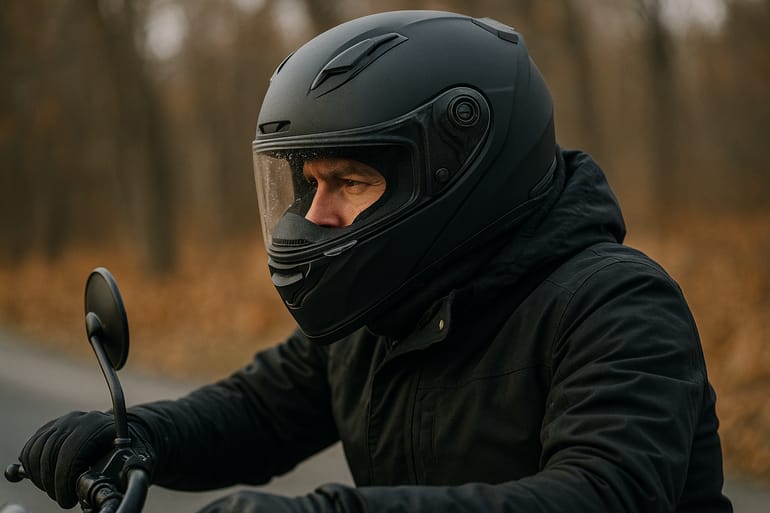
How to choose a winter riding helmet
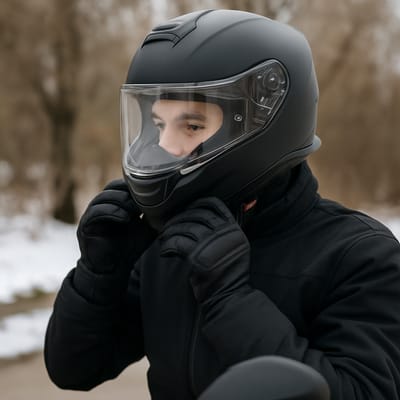
A good winter riding helmet keeps you warm, fog‑free, and in control with thick gloves. Start by deciding your coverage: a full‑face helmet seals best in cold air, while modular designs add convenience at fuel stops. Look for a snug fit that still accommodates a thin balaclava without creating pressure points.
What matters most
- Sealing: Neck roll, chin curtain, and tight visor gasket reduce drafts.
- Fog control: Support for a Pinlock insert or dual‑pane visor, plus a breath guard.
- Glove usability: Large visor tab, chunky vent sliders, and an easy micro‑ratchet or D‑ring buckle.
- Vent tuning: Closable top and chin vents help balance warmth with moisture control.
- Standards: Verify ECE 22.06 or DOT certification.
Quick fit check
With your winter base layers on, close the visor and breathe normally. If the shield fogs instantly, you’ll need a Pinlock and a properly adjusted breath guard. Shake your head—if the helmet shifts, downsize or adjust pads. Finally, ride around the block: feel for leaks along the visor edges, at the chin, and around the collar. A helmet that passes these checks will make cold rides quieter, clearer, and far less fatiguing.
End visor fog: inserts, breath guards, and smart habits
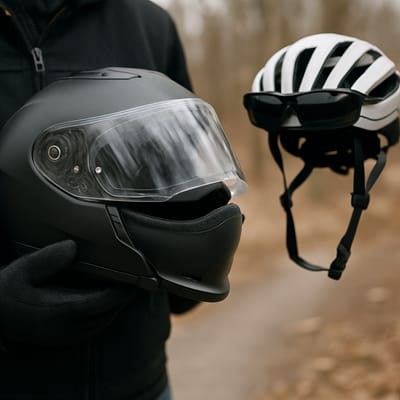
Fog is the top winter pain point. Attack it with layered solutions and good habits.
Best anti‑fog setup
- Pinlock insert or dual‑pane visor: Creates a thermal barrier to stop condensation.
- Breath guard: Directs warm breath down and away from the visor.
- Chin curtain: Cuts cold turbulence that feeds fog on the inside surface.
Habits that help
- Keep the chin vent open; it feels counterintuitive, but fresh airflow clears moisture.
- Crack the visor one detent at stops to purge humidity.
- Clean only with warm water and a soft cloth; harsh chemicals can damage anti‑fog coatings.
- If using sprays, choose helmet‑safe formulas and never on the Pinlock’s inside face.
Fit and adjustment
Install the insert carefully so the seal is uniform. Set the breath guard so it doesn’t touch your nose; any contact can redirect moisture onto the shield. If your rides are sub‑freezing for long stretches, consider an electric/heated visor option compatible with your helmet type. Combine these steps and you’ll ride with a clear view even in sleet and breath‑clouding temps.
Warmth vs. ventilation: stay dry without freezing
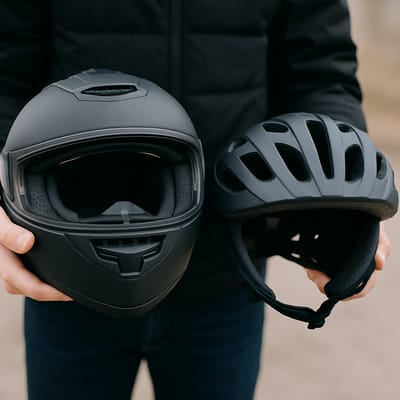
Keeping heat in while letting humidity out is the winter balancing act. Too closed, and you get clammy; too open, and you’re shivering.
Dial in airflow
- Use adjustable vents: open the chin for defogging, crack top vents only as needed.
- Seal leaks: a neck curtain or winter collar blocks drafts at the most common entry point.
- Choose a moisture‑wicking liner and a windproof, breathable balaclava to move sweat away from skin.
Practical tips
- Start slightly cool; you’ll warm up after a few minutes. If you start hot, you’ll fog.
- On long rides, do a 30‑second purge: open chin and top vents, crack visor, then reseal.
- Keep a small microfiber cloth in a jacket pocket for quick moisture dabs at fuel stops.
Comfort checklist
If you hear whistling or feel cold streaks at 60–80 km/h, the visor seal or vent slider may be misaligned. Re‑seat the shield, check the gasket, and ensure vent switches are fully closed. Mastering this balance keeps your head warm, your visor clear, and your focus on the road.
Fit with winter layers and glove‑friendly controls

Winter layers change how a helmet fits and how you use it.
Fit for layers
- Try helmets while wearing your balaclava and neck tube.
- Cheek pads should feel firm, not crushing—pads soften with use.
- The helmet must not rotate when you tug with both hands; looseness gets worse with slippery winter fabrics.
Controls you can use in thick gloves
- Large visor tab and defined detents for easy cracking at lights.
- Chunky vent sliders you can feel without looking.
- A micro‑ratchet buckle is quick with gloves; double‑D rings work too if you practice.
Comms and audio in the cold
- Check for speaker pockets and boom‑mic space that still work with a balaclava.
- Big, tactile buttons are safer than small touch surfaces in winter.
- Cold reduces battery performance; keep the controller inside a warmer jacket pocket when possible and carry a small power bank. Prioritizing glove‑friendly ergonomics and smart comm placement means fewer mid‑ride fumbles and more attention on traction and traffic.
Safety, visibility, and winter maintenance
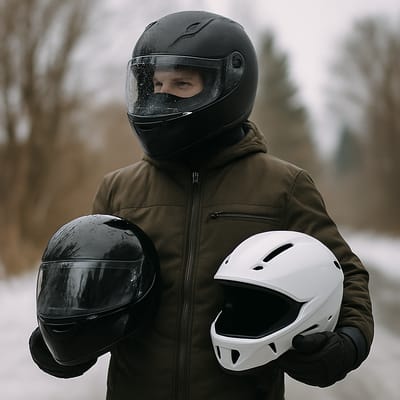
Cold weather shouldn’t compromise protection. Choose helmets certified to ECE 22.06 or DOT and verify the visor’s optical clarity. Clear shields excel in low winter light; carry a secondary tinted sun visor only for daytime and swap back before dusk.
Be seen in winter
- Prefer high‑viz colors or add reflective decals to the shell and rear.
- Use a bright rear light on the bike and keep your visor spotless to reduce glare.
Winter care routine
- Rinse road salt and grime with warm water after rides; salt can attack metal hardware and seals.
- Dry liners at room temperature—avoid direct heat. Wipe visor edges and gaskets, then add a light silicone treatment to keep them supple.
- Inspect the Pinlock seal, visor hinges, and vent sliders monthly; replace worn parts promptly.
Before the season, run a 5‑minute shakedown: check seal integrity, anti‑fog performance, and control feel with gloves. Want a ready‑to‑print checklist and setup video? Join our newsletter for seasonal gear updates and links to step‑by‑step tutorials.