Skydiving Helmet Buying Guide: Expert Advice 2026
What should you look for in a skydiving helmet?
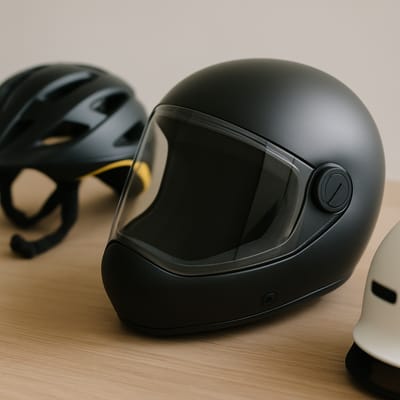
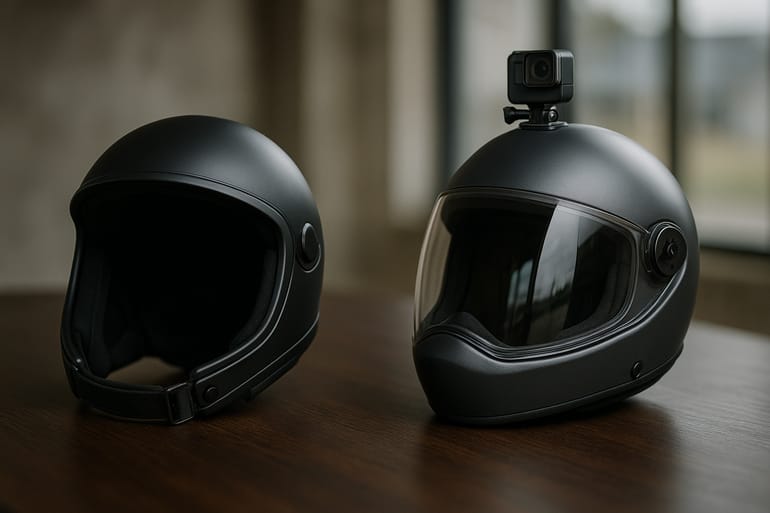
Choosing a skydiving helmet can feel confusing, especially if you’re comparing it to road helmets. A good skydiving helmet prioritizes snag-free design, low weight, wide field of view, and integration for audible altimeters. Unlike motorcycle lids, these helmets focus on aerodynamics in freefall, comfort in the plane and tunnel, and clear vision during canopy flight.
Core considerations
- Use case: Freefall, wingsuit, canopy piloting, or wind tunnel? Each emphasizes slightly different features.
- Style: Open-face (max airflow and comms) vs full-face (wind protection and visor seal).
- Fit: Secure, even pressure with no hot spots; it should not move when you shake your head.
- Safety expectations: Many skydiving helmets are not rated to road standards; look for air-sport context like EN966 when available and understand its scope.
- Dropzone policies: Some DZs restrict cameras for newer jumpers and specify helmet types for students.
By the end of this guide, you’ll understand the trade-offs between open-face and full-face designs, how standards apply to skydiving, how to get the right fit, and which features matter most for your jumps and tunnel time.
Open-face vs full-face: which style fits your jumps?
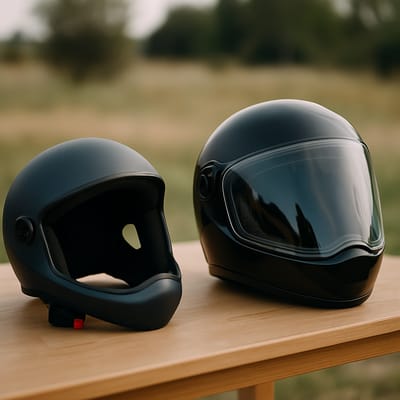
Picking between open-face and full-face solves a big pain point: balancing airflow, communication, and protection.
Open-face benefits
- Maximum airflow and natural breathing in hot aircraft and tunnel sessions
- Excellent auditory awareness for coaching and group comms
- Easy compatibility with goggles and external eyewear
Full-face benefits
- Wind and debris protection with a sealed visor for comfort in fast fall rates
- Reduced dry eyes and improved concentration; better for cold or dusty dropzones
- Often quieter, which helps you better hear audibles
Choose based on your needs
- Formation skydiving and coaching often lean open-face for communication.
- Freefly and high-speed disciplines often prefer full-face for stability and visibility.
- If you spend time in the tunnel, consider an anti-fog visor, strong ventilation, and a snug seal.
Whichever you choose, check for audible altimeter pockets, a smooth exterior to reduce snags, and a reliable chinstrap that’s easy to operate with gloves.
Safety standards in context: EN966, ECE, and real limits
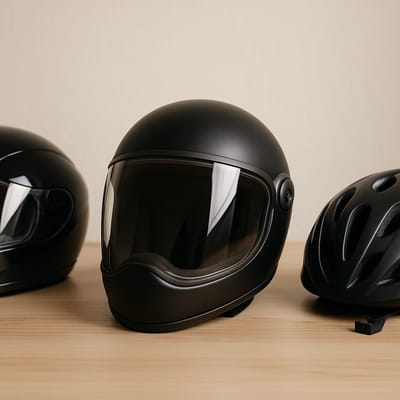
Helmet standards cause confusion. ECE 22.06 and DOT FMVSS 218 are road-focused standards and typically unsuitable for skydiving due to weight and bulk. For air sports, some helmets reference EN966 (airborne sports), which is more relevant—but not all skydiving helmets carry it.
What this means for you
- EN966: Indicates testing geared toward airborne activities, but it’s not a guarantee against major impacts; it addresses specific conditions and fit/retention.
- ECE/DOT: Great for motorcycles, but generally too heavy and overbuilt for freefall needs.
- No label? Many skydiving helmets are designed for abrasion resistance, snag reduction, and comfort—manage expectations accordingly.
Practical safety tips
- Prioritize fit and retention; a well-fitted helmet protects better than a poorly fitted certified one.
- Minimize snag hazards: low-profile shells, flush hardware, and tidy camera setups.
- Follow dropzone policies: many require experience (often 200+ jumps) before adding cameras.
Bottom line: Understand what a standard covers, but choose a helmet that fits securely, keeps vision clear, and stays snag-free in real skydiving scenarios.
How to get the right size and fit that stays put
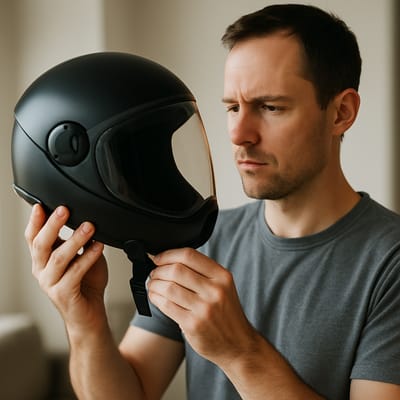
Poor fit is the biggest pain point. A skydiving helmet should be snug, evenly compressive, and stable in any body position.
Step-by-step sizing
- Measure your head circumference above the eyebrows; use the brand’s size chart equivalent by centimeters.
- Try on: The helmet should slide on with mild resistance. No localized pressure after a few minutes.
- Retention check: Buckle the chinstrap, then shake your head and mimic arch/sit/fly positions. It should not lift, twist, or rattle.
- Vision and seal: For full-face, confirm the visor seals evenly, doesn’t touch your nose, and preserves peripheral vision.
- Compatibility: Test with audible altimeters, goggles, glasses, and any comms. Ensure pockets align with your ear canal.
Fit tips
- Foam will bed in slightly; don’t choose a helmet that’s already loose.
- Different shell shapes fit differently—oval vs round heads feel distinct.
- If between sizes, consider thicker pads or a precision liner kit.
Need more help? Use our detailed sizing chart and fit guide to lock in the right size before you buy.
Essential features, add‑ons, and camera safety basics
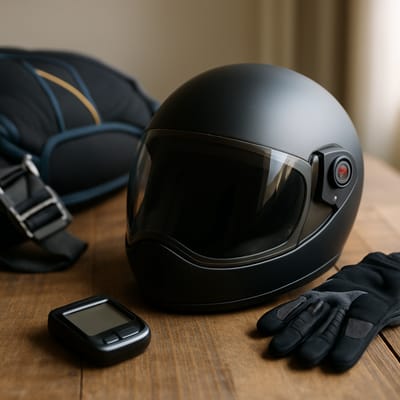
Dial in features that match your jumps without adding risk.
Must-have features
- Audible altimeter pockets positioned near the ear for clear alerts
- Ventilation and anti-fog strategy (visor coatings or airflow paths)
- Secure, glove-friendly chinstrap with reliable closure
- Removable liners/pads for hygiene and fine-tuning fit
Nice-to-haves (use-case)
- Low-profile camera mounting surfaces with optional cutaway to reduce snag risk
- Communication ports or space for earbuds for coaching and teams
- Visor tints or tear-offs for bright sun or tunnel glare
Camera caution
- Keep setups snag-free: no protruding screws, route lines cleanly.
- Add a cutaway if you run a camera; practice using it on the ground.
- Respect DZ camera policies and progressions.
Care well for your helmet: rinse sweat, dry pads, inspect hardware, and replace after significant impact or visible damage. Ready to move forward? Compare non-brand skydiving helmets by style and features, and subscribe to our newsletter for safety tips and new gear guides.