Road Cycling Helmet Buying Guide: How to Choose 2026
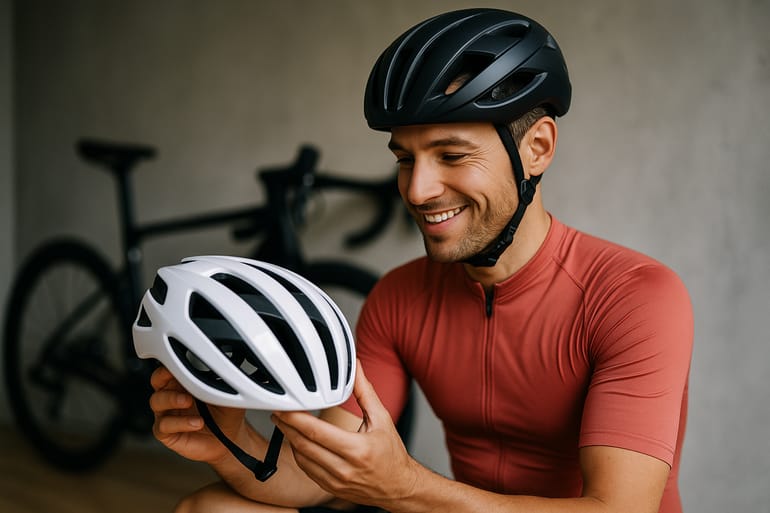
What matters most in a road cycling helmet?

Choosing a road cycling helmet can feel overwhelming—so many shapes, vents, and claims about speed and cooling. Start with the essentials: proven safety standards, a dialed fit and sizing process, and the right balance of aerodynamics vs ventilation for your rides. Get those right and you’ll ride farther, faster, and more comfortably.
Quick overview
- Safety first: Look for CPSC (US) or EN 1078 (EU) certification and a rotational-impact system like MIPS.
- Fit matters more than price: A mid-range road cycling helmet that fits perfectly will protect and feel better than a premium lid that doesn’t.
- Ride profile dictates features: Hot climates and long climbs favor airflow; flat, fast group rides and racing reward aero shaping.
- Weight and comfort: Lighter helmets reduce neck fatigue and hot spots on long rides.
By the end, you’ll know how to match a road cycling helmet to your terrain, climate, and goals, and you’ll have a clear plan to buy with confidence—without overpaying for features you don’t need.
Which safety standards and MIPS features really matter?
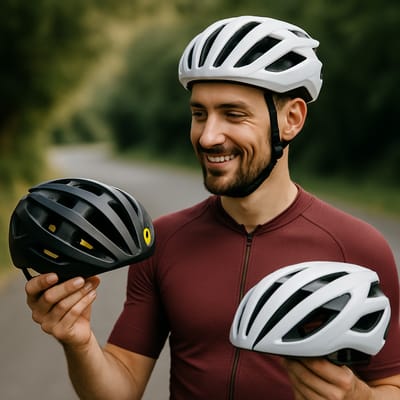
Your helmet’s job is simple: manage impact energy and reduce brain rotation in a crash. Look for these essentials on any road cycling helmet:
Certifications to trust
- CPSC (United States) and EN 1078 (Europe) are baseline bicycle helmet standards. Many helmets carry both.
- Labels are inside the shell or on the hangtag; no label, no purchase.
Impact technologies
- Multi-density EPS foam spreads impact energy better than single-density liners.
- Rotational-impact systems (like MIPS-style slip planes) help cut rotational forces from oblique impacts—crucial in real-world crashes.
- A well-shaped outer shell prevents snagging and improves slide characteristics.
Construction details that add value
- Full-wrap shells resist dings and extend helmet life.
- Anchored straps and a solid retention system keep the helmet stable at speed.
- Crash replacement policies can save money if you go down.
Bottom line: Any certified road cycling helmet can pass the lab tests, but models with rotational protection, quality EPS, and robust retention systems raise real-world safety and consistency.
Aerodynamics or ventilation: what should you prioritize?
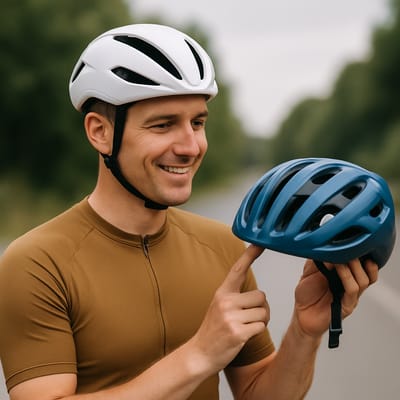
Both speed and cooling matter—you’ll just weight them differently based on where and how you ride.
When to favor aerodynamics
- You ride fast group rides, crits, or flat routes where aero savings stack up.
- You often exceed 30 km/h, where drag reduction makes the biggest difference.
- You prefer quieter airflow around your ears and sunglasses.
When to favor ventilation
- Long climbs, hot climates, or endurance rides where ventilation and sweat evaporation keep you fresh.
- Lower average speeds where aero gains are minimal.
Finding a balanced road cycling helmet
- Many modern helmets blend aero shaping with deep channels, offering cooling at climbing speeds and reduced drag on the flats.
- Consider weight: lighter shells relieve neck strain on century rides.
- Check sunglasses integration: stable docks and clean strap routing reduce whistle and bounce.
Rule of thumb: If your rides are split, choose a balanced all‑rounder. Dedicated racers and time-crunched interval riders can lean aero; alpine and summer-focused riders can lean ventilation.
How do you get the perfect fit and sizing every time?

A precise fit turns safety into comfort and performance. Here’s a simple, repeatable process for any road cycling helmet.
2-minute fit check
- Measure circumference: Wrap a soft tape above eyebrows and ears. Note the cm value and match the brand’s size chart.
- Match head shape: Some helmets run more round or more oval. Pressure at forehead or temples signals a mismatch.
- Dial the retention: Tighten the rear cradle until snug—no hot spots. The helmet shouldn’t rock when you shake your head.
- Set strap Y-split: The junction should sit just under the ear lobes. Adjust so straps lie flat without twisting.
- Chin strap test: Two fingers should fit between strap and chin; open your mouth—the helmet should press gently down.
- Cap compatibility: If you wear a cap or winter beanie, test with it on to avoid surprise tightness.
Comfort cues
- Even pressure all around, no pinching; pads wick sweat and dry quickly.
- With sunglasses, the arms shouldn’t hit the retention system.
If you’re between sizes, size down if the cradle expands enough; size up if you’re near the upper limit.
What should you pay—and what features are worth it?
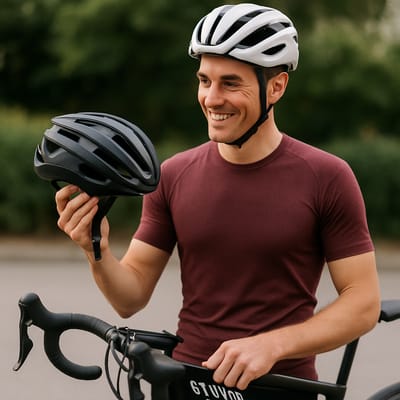
Price reflects materials, features, and refinement—not just safety. Any certified road cycling helmet protects, but spending more can boost comfort and performance.
Price tiers (typical street prices)
- Entry ($60–$110): CPSC/EN 1078, basic vents, standard pads; may include MIPS. Best for new riders and commutes.
- Mid ($120–$220): Better fit systems, lighter shells, deeper channels, consistent rotational protection. Best all‑round value.
- Premium ($230–$350+): Aero shaping or ultra‑vented designs, very low weight, top-tier pads, quieter airflow. Best for racers and long‑distance riders.
Smart buying tips
- Prioritize fit, then ventilation/aero, then weight.
- Look for crash replacement and spare pad kits.
- Replace after a significant impact or 3–5 years of regular use.
Ready to choose? Take a quick 3‑question fit check, shortlist 2–3 helmets that match your ride profile (aero, all‑round, or max‑vent), and compare weight, vent layout, and retention feel. That’s the fastest path to a helmet you’ll love riding every day.