Longboarding Helmet Buying Guide: How to Choose 2026
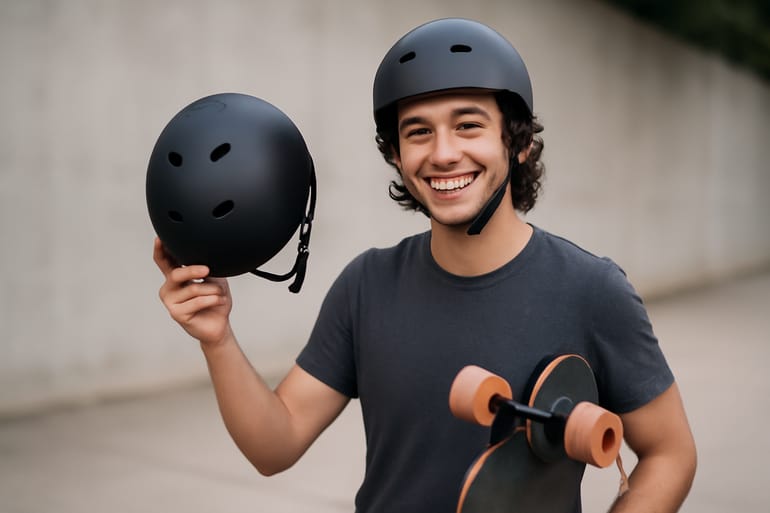
Which longboarding helmet is right for you?
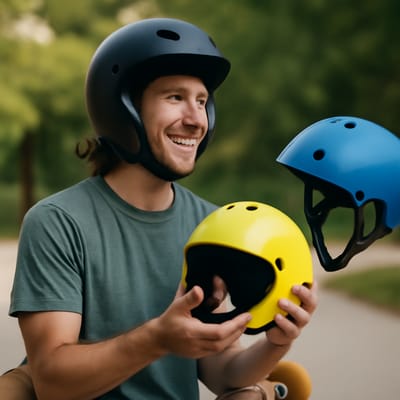
This longboarding helmet buying guide helps you cut through confusion and choose protection you’ll actually wear. A good longboarding helmet should fit snugly, meet the right safety standard, and feel comfortable for your riding style—cruising, freeride, or downhill. Many riders struggle with labels, shell shapes, and sizing charts. Here’s a clear path so you can make a confident choice without chasing brands.
What really matters
- Safety certification appropriate for skating/longboarding (not motorcycle).
- Fit and head shape (round vs. oval) for all‑day comfort.
- Ventilation and weight to reduce heat and fatigue.
- Coverage level: half‑shell, full‑cut, or full‑face for higher speeds.
Quick win checklist
- Decide your riding speeds and terrain.
- Pick coverage: half‑shell for cruising, consider full‑face for sustained high speed.
- Choose a dual‑certified model if you cross over between bike and skate use.
- Measure your head and compare to the brand’s size chart.
- Do a 3‑point fit check: brow placement, strap V under ears, and firm shake test.
By the end, you’ll know which features to prioritize in a longboarding helmet, how to nail fit on the first try, and when it’s worth upgrading. Keep this guide handy while comparing options and you’ll avoid common mistakes that lead to poor comfort—or worse, inadequate protection.
Safety standards decoded: CPSC, ASTM, EN — ECE vs CPSC
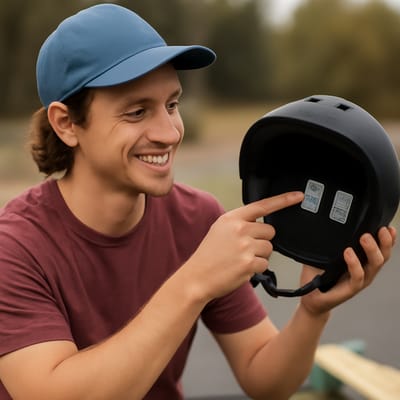
Confused by stickers and stamps? Here’s how to read helmet safety labels for longboarding. Motorcycle standards like ECE 22.06 are not designed for skate impacts. For a longboarding helmet, prioritize cycling and skate certifications.
The certifications that matter
- CPSC 16 CFR 1203: US bicycle standard; designed for single high‑energy impacts.
- ASTM F1492: Skate standard; emphasizes repeated lower‑energy impacts (multi‑impact liners like EPP are common).
- EN 1078: European cycling/skate standard; similar scope to CPSC for cycling.
ECE vs CPSC: what’s relevant?
- ECE applies to motorcycle helmets; different impact velocities, mass, and retention criteria.
- CPSC/EN and ASTM F1492 target the speeds and fall dynamics typical of skating and longboarding.
What to buy
- For cruising and commuting: CPSC or EN 1078 minimum.
- For park, slides, and frequent falls: add ASTM F1492 (look for dual‑certified models).
- For downhill: consider full‑face with cycling/skate certifications and robust chin‑bar strength.
Always check the label inside the shell for the exact code and the manufacture date. If the sticker is missing or unclear, skip it. Certification plus a proper fit provides the best real‑world protection for longboarding.
How to measure your head and dial in the fit
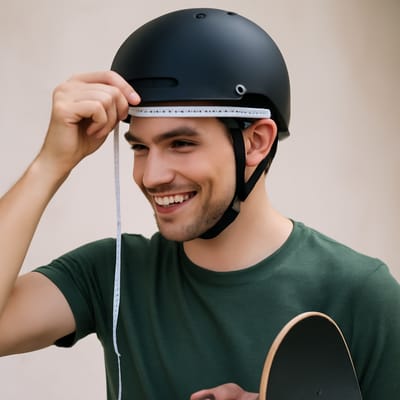
A longboarding helmet only protects if it fits correctly. Measure before you buy and you’ll avoid returns and hot spots.
Step‑by‑step sizing
- Use a soft tape to measure circumference 2 cm above your eyebrows, level around the head.
- Note the centimeters; compare to the size chart (between sizes? choose the smaller if you prefer a snug performance fit).
- Try the helmet: it should sit low on the brow (two‑finger rule) and stay put during a firm shake.
Shape and comfort
- Heads vary: round vs long‑oval. If you feel pressure on the forehead or sides, the shape is off.
- Fine‑tune with swap‑out pads or micro‑adjust dials (some half‑shells include them).
- Straps should form a neat V under the ears; buckle centered under the chin.
Pro fit tips
- Do not size up for beanies; use thicker pads in winter instead.
- A slight break‑in is normal; painful spots are not.
- Consider helmets with rotational impact systems for added protection without compromising fit.
Want a printable checklist and fit worksheet? Grab our free sizing guide to save your measurements and test points before checkout.
Helmet types and features for your riding style
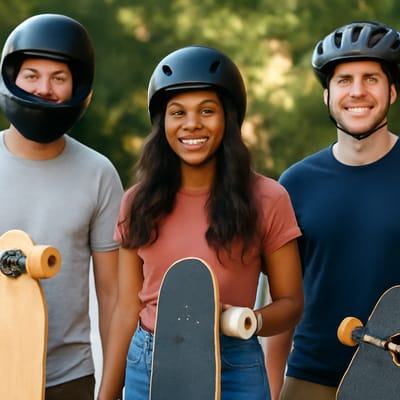
Match your longboarding helmet to how and where you ride. Coverage, ventilation, and liner tech drive comfort and confidence.
Coverage options
- Half‑shell (bowl): light, airy, great for cruising and park.
- Full‑cut (ear coverage): extra side protection and retro look.
- Full‑face: chin‑bar protection for freeride and downhill at sustained speed.
Materials and comfort
- Shells: ABS or polycarbonate for durability; premium composites reduce weight.
- Liners: EPS (single‑impact) vs EPP (multi‑impact, common in skate). Many longboarders prefer dual‑density setups for broader impact ranges.
- Ventilation: more vents help in heat; internal channels move air across the scalp.
- Weight & balance: lighter helmets reduce neck fatigue on long sessions.
Convenience features
- Quick‑release buckles, washable pads, sweat‑wicking liners, and visor/peak mounts.
Price guidance (non‑brand)
- Entry: essential certifications and basic pads.
- Mid‑range: improved padding, ventilation, and finish.
- Premium: lighter shells, advanced liners, and refined fit systems.
Pick the lightest helmet that still meets the right standard and fits perfectly. For downhill, prioritize stability (full‑face, snug fit); for city cruising, airflow and visibility matter most.
Care, lifespan, and when to replace your helmet
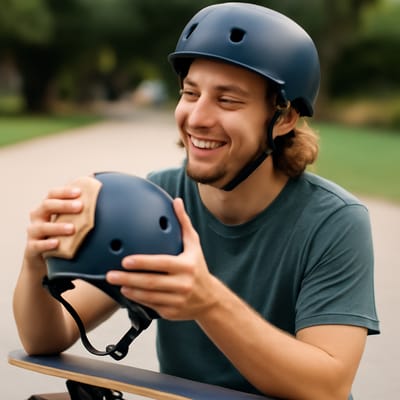
Treat your longboarding helmet well and it will keep performing. Neglect it, and protection drops fast.
Care basics
- Clean gently with mild soap and water; avoid solvents that can weaken shells and liners.
- Air‑dry pads; don’t use high heat. UV and heat degrade EPS/EPP.
- Store in a cool, dry place; avoid leaving it in hot cars.
When to replace
- After any significant impact (even if it looks fine) for EPS‑based models.
- If pads compress and fit becomes loose.
- At 3–5 years from manufacture date due to material aging, sweat, and UV.
Keep it fresh
- Rotate spare pads, and wash regularly to reduce odor and bacteria.
- Inspect straps, rivets, and buckle function monthly.
- For downhill riders, check the chin bar and mounting points on full‑face models.
Wrap up your buying process with a final check: current certification label, snug fit, clear vision, and comfortable ventilation. Ready to compare? Use our feature checklist to shortlist non‑brand options by coverage, certification, and price, then pick the helmet you’ll be happy to wear every ride.