MIPS Motorcycle Helmets: How It Works and Why (2026)
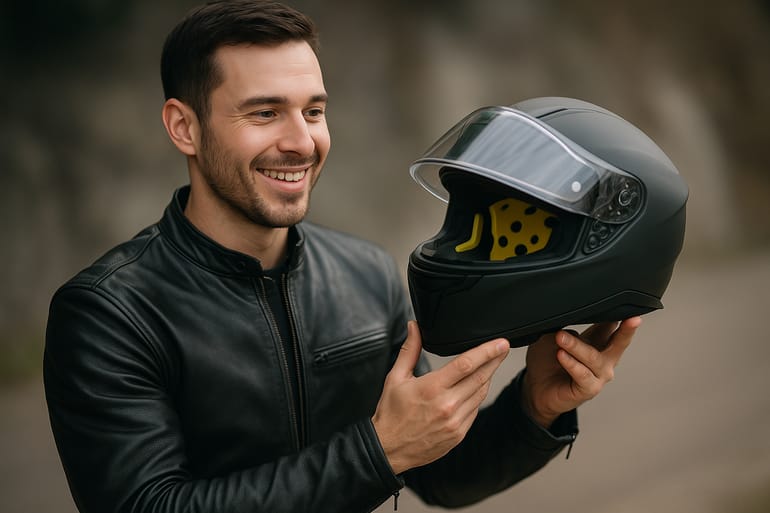
What is MIPS and why does it matter?
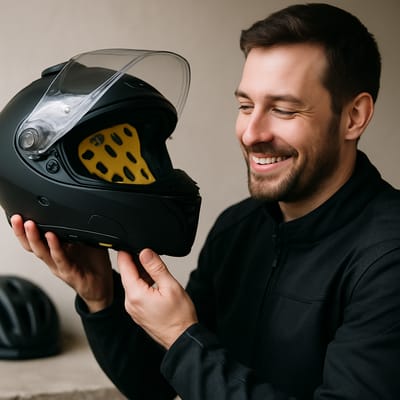
MIPS in motorcycle helmets is a safety technology designed to reduce the rotational forces that can reach the brain during an angled impact. Instead of changing how hard the shell is, MIPS adds a low‑friction layer between the comfort padding and the EPS liner. In a crash, this layer allows a few millimeters of relative movement, helping redirect rotational energy away from your head.
Quick definition
- MIPS: A slip‑plane system that enables controlled movement between the head and helmet during oblique impacts.
Why it matters for families
Rotational forces are common in real‑world falls, especially when a rider’s head contacts the ground at an angle. Full‑face designs already protect the face and jaw; MIPS adds another layer of brain protection without changing how you wear the helmet. Parents choosing gear for young riders value features that help with the most common crash types at learning speeds. If you’ve wondered whether the upgrade is marketing or meaningful, you’ll see how the system works, what to look for, and when it’s worth the extra cost in the sections below.
How does MIPS work inside a full-face helmet?
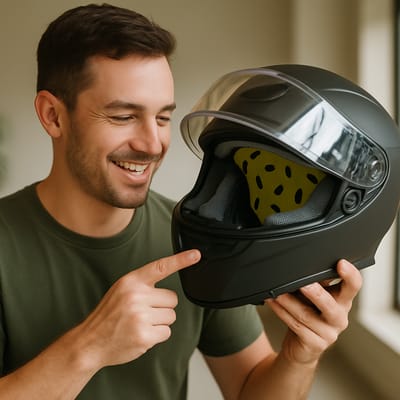
The slip‑plane in action
A thin, low‑friction liner sits just beneath the comfort padding. During an oblique impact, it can move about 10–15 mm for roughly 10–15 ms, allowing the helmet to rotate slightly around your head. That tiny movement changes the direction and magnitude of the rotational forces that reach the brain. Think of it as a seatbelt for your head’s rotation: you still experience the event, but the motion is better managed.
What MIPS is—and isn’t
- Is: A layer that helps manage rotational energy in angled impacts.
- Isn’t: A replacement for the primary EPS impact liner or outer shell; it works with them.
- Not a certification: It complements safety standards like ECE 22.06 or DOT but doesn’t replace them.
Fit and comfort
When sized correctly, the MIPS layer is unobtrusive. You shouldn’t feel it shift while riding. Poor fit, however, can defeat the benefit. Ensure snug, even pressure around the crown and cheeks so the slip‑plane can move as intended only during an impact.
MIPS vs non‑MIPS: is the upgrade worth it?
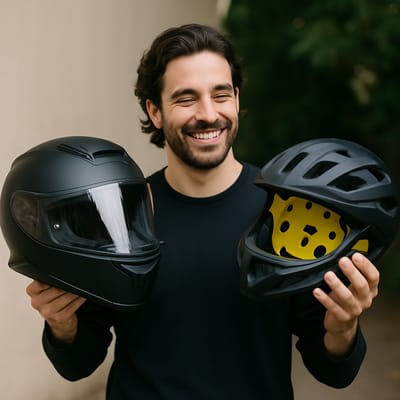
The case for MIPS
- Designed to reduce rotational energy reaching the brain in angled impacts.
- Often adds minimal weight and no meaningful change to day‑to‑day comfort.
- Particularly relevant for everyday and family riding, where low‑to‑moderate‑speed, off‑axis falls are common.
Trade‑offs
- Typically costs more (often ~10–20% premium).
- Not all helmets integrate the layer equally well; ventilation and fit still matter more than any single feature.
Who benefits most?
- Riders prioritizing brain protection beyond linear impact performance.
- Parents buying a full‑face for young riders learning balance, braking, and cornering.
- Anyone riding in traffic or mixed surfaces where angled impacts are likely.
Bottom line
If two otherwise similar full‑face helmets both meet ECE 22.06 and fit equally well, the MIPS model generally offers an added safety margin for rotational impacts. If budget is tight, prioritize: 1) correct size and stable fit, 2) modern certification, 3) then MIPS as a smart upgrade when possible.
What to look for in a MIPS full‑face helmet
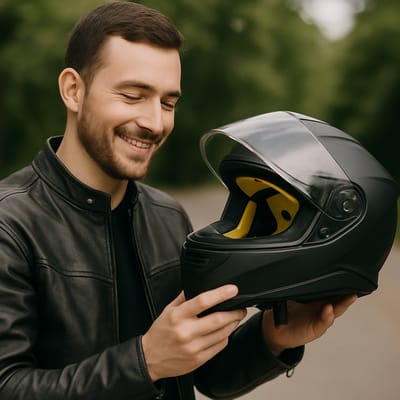
Safety and certification
- Look for current standards: ECE 22.06 (EU) or DOT (US). MIPS complements these; it doesn’t replace them.
Fit and retention (critical for kids and adults)
- Measure head circumference at the brow; check brand size charts.
- Aim for firm, even contact with no hotspots; the helmet should not rock when you shake your head.
- Cheek pads: snug enough to resist roll‑off; a yawn should feel firm but not painful.
- Retention: D‑ring or micro‑ratchet must cinch securely under the jaw.
Comfort and ventilation
- MIPS liners vary; choose models with channels that maintain airflow across the crown and temples.
- Check weight and balance; lighter, well‑balanced helmets reduce neck fatigue.
Visibility and features
- Wide eye‑port for peripheral vision.
- Smooth interior finish so the slip‑plane isn’t exposed.
- Removable, washable liners for hygiene as kids grow.
Use a “fit first” approach: if a non‑MIPS helmet fits perfectly and the MIPS option does not, choose the better fit. The slip‑plane only helps if the helmet stays stable on the head.
Buying tips, Kiddimoto options, and next steps
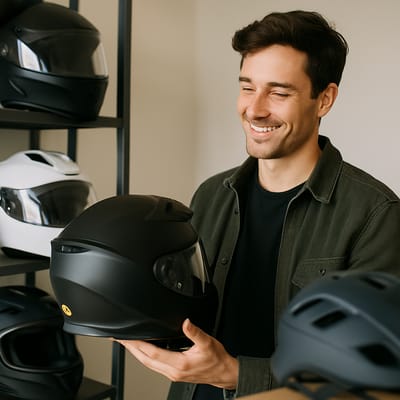
Smart shopping flow
- Shortlist full‑face helmets that meet ECE 22.06 and offer MIPS.
- Try two sizes to confirm crown contact and cheek stability.
- Wear each for 10–15 minutes to check pressure points and heat buildup.
- Compare price, weight, and ventilation; then decide on MIPS upgrade value.
For young riders
Kiddimoto full‑face kids helmets with MIPS pair rotational protection with family‑friendly fit features, removable liners, and bright visibility graphics. They’re built for everyday learning rides where low‑speed, angled falls are common.
Final checklist
- Fits snug with no hot spots
- Strap cinches comfortably
- Meets modern certification
- Ventilation works for your climate
- MIPS adds value within budget
Ready to choose? Start with a side‑by‑side comparison of MIPS vs non‑MIPS models, then move to a product recommendations page to pick the best fit and price. Want a hand? Download our kid helmet fit checklist to measure, try on, and confirm a secure, comfortable setup.