Iridium Visor: What It Is & Who Should Use It 2025
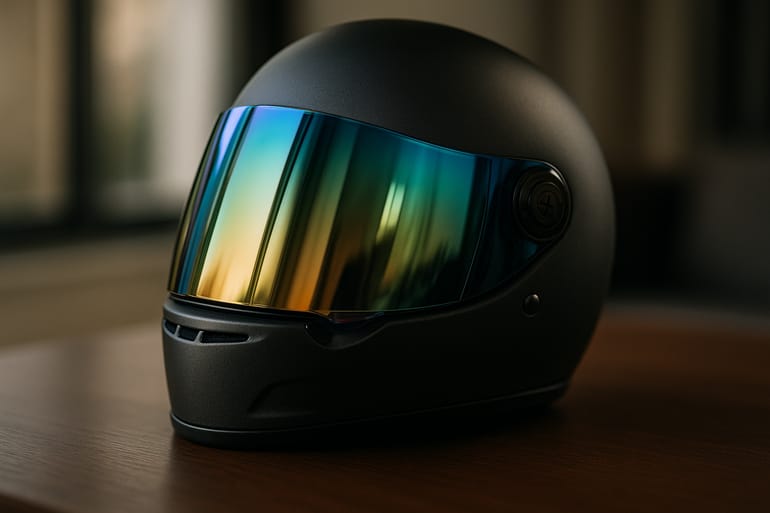
What is an iridium visor, and why does it matter?
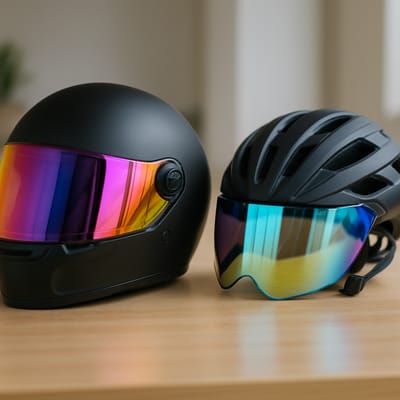
An iridium visor is a helmet shield treated with a thin, multi‑layer metallic coating that creates a distinctive mirror‑like finish and color shift. The goal of an iridium visor is to reduce glare, manage brightness, and add UV protection without making the world look artificially dark or tinted. You’ll notice the reflective look outside, yet the view from the inside typically appears neutral with a slightly dimmer, cooler tone.
Quick definition
- Thin‑film coating on a clear base visor
- Reflective, color‑shifting surface (blue, gold, rainbow, etc.)
- Designed for daytime use; not intended for night riding
Why it matters
Bright sun, reflective road surfaces, and high‑altitude rides can cause eye strain and squinting. An iridium visor helps by reflecting a portion of intense light away, improving visual comfort and reducing fatigue. Many coatings also add UV protection, shielding your eyes and skin around the eye area.
What it isn’t
An iridium visor isn’t simply a dark smoke shield, and it isn’t just “for looks.” While style is a bonus, the coating targets light management first. If you ride in strong daylight or open terrain, an iridium visor can offer a clearer, calmer view than a plain clear visor or basic sunglasses.
How iridium coating works—and what it isn’t
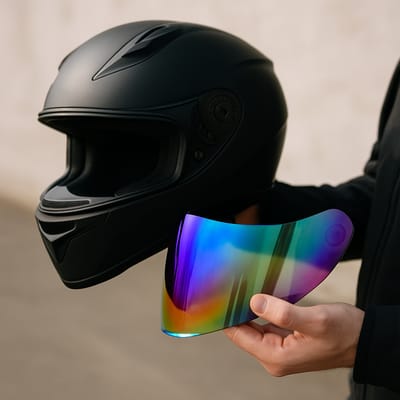
The signature shine of an iridium visor comes from a vapor‑deposited, multi‑layer metal‑oxide film. Those ultra‑thin layers use interference to reflect specific wavelengths of light (what you see as color) while transmitting plenty of visible light for clarity. The result: reduced glare from harsh sun and improved comfort in bright conditions.
Key effects
- Reflectivity: Bounces high‑intensity light before it reaches your eyes
- Neutral view: Inside look remains clear with a subtle tint shift
- UV protection: Most coatings block a high percentage of UV
Iridium vs mirrored vs smoke
- Iridium visor: Reflective, color‑shifting coating that manages glare with a neutral view
- Mirrored visor: May be simply reflective; performance varies by coating quality
- Smoke tint: Darkened plastic that reduces overall light; no inherent reflectivity
Limitations and care
Iridium coatings are for daytime use. Night or low‑light riding demands a clear visor for maximum visibility (and legal compliance in many regions). Clean with mild soap and water only—no ammonia or paper towels—to protect the coating. Use a soft microfiber and pat dry; avoid scrubbing to prevent micro‑scratches.
Who should consider an iridium visor?
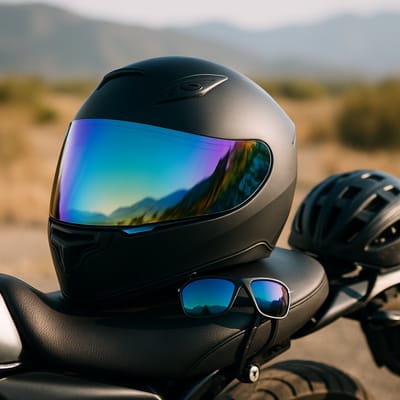
If you regularly ride in bright, open environments—coastal highways, deserts, mountain passes, or wide freeways—an iridium visor can be a game‑changer. It’s ideal for commuters facing low sun angles, weekend sport‑touring in clear weather, and daytime track sessions where glare management helps you focus.
Great fit for
- Daylight riders battling sun and reflective road glare
- High‑altitude or open‑terrain routes with intense brightness
- Riders who prefer a neutral, crisp view over dark, smoky tones
Consider alternatives if
- You ride often at dawn, dusk, or night—carry a clear visor instead
- You need variable light control—look for internal sun visors or photochromic shields
- You rely on prescription eyewear—pair a clear shield with quality sunglasses if swapping shields isn’t convenient
Compatibility notes
Check your helmet’s model‑specific shield system for proper fit: baseplate style, lock tab location, and gasket profile. Confirm Pinlock‑ready visibility (if you use an anti‑fog insert) and clearance for tear‑off posts where applicable. Always verify local regulations on tinted or mirrored visors; some areas require clear visors after dark.
Choosing your tint: iridium, smoke, clear, gradient
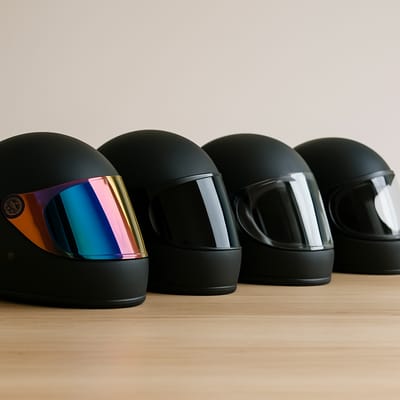
Picking between an iridium visor, smoke, clear, or gradient comes down to light conditions, legal rules, and convenience.
Quick guide by VLT (visible light transmission)
- Clear (85–90%+): Best for night and rain; mandatory after dark in many regions
- Light smoke (35–50%): Versatile daytime city riding; softer on the eyes
- Dark smoke (10–20%): Bright midday sun only; too dark for tunnels or dusk
- Iridium: Often mid‑dark transmission with superior glare control and neutral view
- Gradient: Dark up top, clearer below; helpful for city speeds, less ideal at highway pace
Pro tips
- For mixed days, carry a clear shield or use a drop‑down sun visor
- Verify helmet visor compatibility and Pinlock fit before buying
- Clean gently: mild soap, cool water, soft microfiber; avoid chemicals
- Store in a soft pouch to protect the coating
If you crave glare reduction with a clean, contrast‑rich view, an iridium visor is the sweet spot. If you ride at night, stick with clear and add eyewear or a modular sun solution for daytime flexibility.